Power Plant Enid OK, a cornerstone of Oklahoma’s energy landscape, has played a pivotal role in the state’s industrial growth and community development. This article delves into the history, operations, and impact of this power plant, shedding light on its significance in the region.
Established in the heart of Enid, Oklahoma, Power Plant Enid OK has undergone significant transformations over the years, adapting to evolving energy demands and technological advancements. Its journey has been marked by milestones in energy generation, environmental stewardship, and community engagement.
Power Plant History and Background

The Enid Power Plant, situated in Enid, Oklahoma, stands as a testament to the city’s industrial legacy and the evolving energy landscape of the region. Its origins trace back to the early 20th century, when the need for reliable electricity spurred the establishment of a municipal power plant.
In 1912, the City of Enid embarked on a project to construct a power plant to meet the growing demand for electricity. The plant, initially fueled by coal, commenced operations in 1914, providing a vital source of energy for the city and its surrounding areas. Over the ensuing decades, the plant underwent several expansions and upgrades, transitioning from coal to natural gas as its primary fuel source in the 1950s.
Ownership and Operations
The Enid Power Plant has been owned and operated by the City of Enid throughout its history. The city’s commitment to municipal ownership has ensured that the plant remains a vital asset under local control, providing a reliable and affordable source of electricity to the community.
Significance within the Local and Regional Energy Landscape
The Enid Power Plant plays a significant role in the local and regional energy landscape. As one of the largest power plants in Oklahoma, it generates a substantial portion of the electricity consumed in the state. The plant’s strategic location within the Southwest Power Pool, a regional transmission organization, enables it to contribute to the reliability and stability of the regional grid.
Plant Operations and Technology
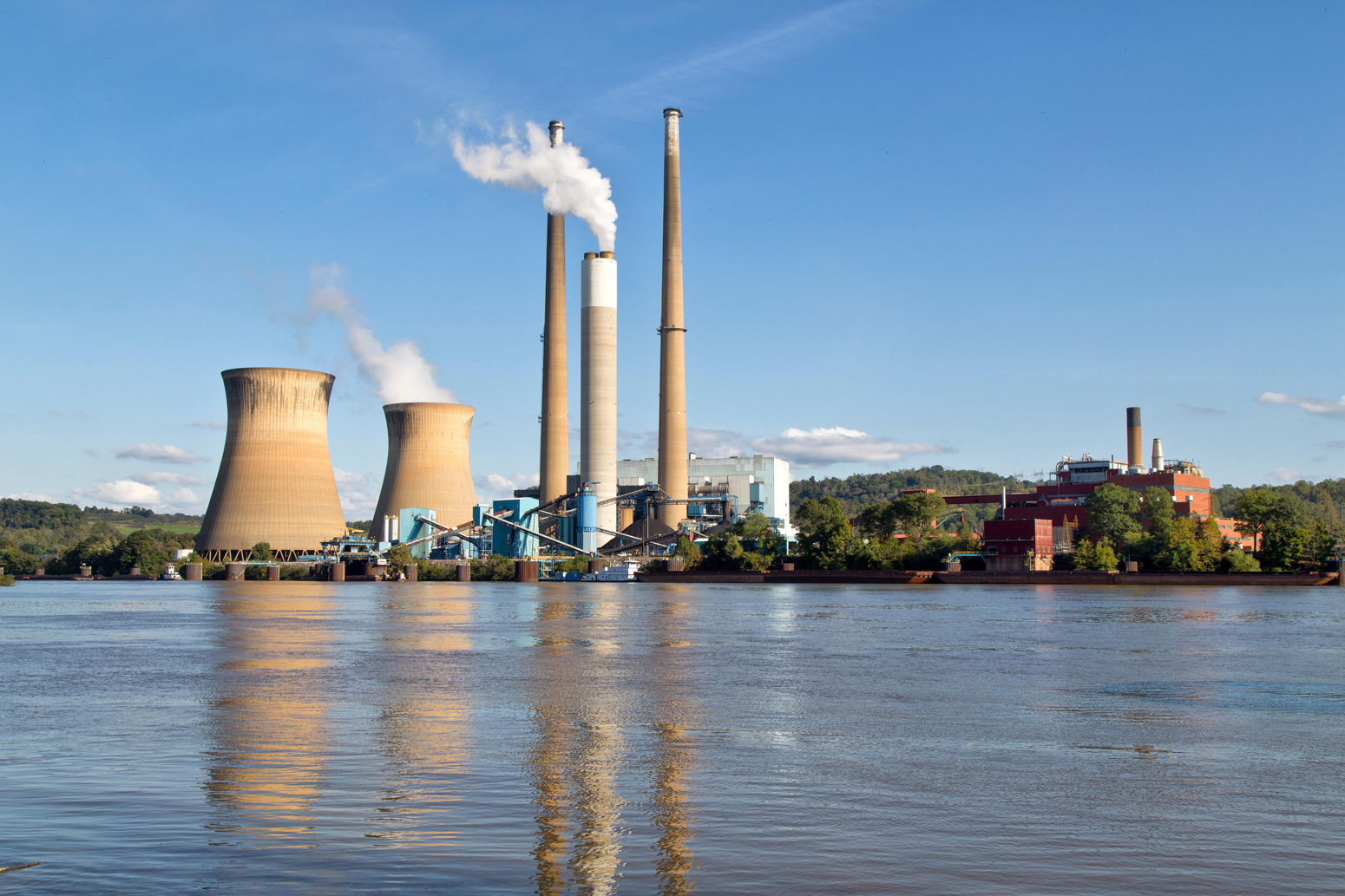
The Enid Power Plant utilizes advanced technologies to efficiently generate electricity while adhering to stringent environmental standards. Its primary functions include fuel combustion, steam generation, and power generation through turbines and generators.
The plant primarily burns natural gas as its fuel source, ensuring cleaner emissions compared to coal or oil. Natural gas is fed into combustion chambers where it reacts with oxygen to produce heat. This heat is then transferred to water, converting it into high-pressure steam.
The high-pressure steam drives a turbine, which is connected to a generator. As the turbine spins, it generates electricity through electromagnetic induction. The plant’s capacity is approximately 1,000 megawatts (MW), providing a significant portion of the region’s electricity needs.
Environmental Impact
The Enid Power Plant employs various efficiency measures to minimize its environmental footprint. These include:
– Advanced combustion technologies that optimize fuel combustion and reduce emissions.
– High-efficiency turbines that maximize energy conversion and minimize heat loss.
– Continuous emissions monitoring systems that ensure compliance with environmental regulations.
– Water conservation measures, such as closed-loop cooling systems, to reduce water usage.
As a result of these measures, the plant’s emissions of pollutants such as sulfur dioxide (SO2), nitrogen oxides (NOx), and particulate matter are significantly below regulatory limits.
Community Impact and Economic Benefits: Power Plant Enid Ok

The Power Plant in Enid, Oklahoma, has had a significant impact on the surrounding community, both positive and negative. The plant provides jobs, tax revenue, and infrastructure development, but it also contributes to air pollution and other environmental concerns.
Job Creation and Economic Growth
The power plant is a major employer in the Enid area, with over 500 employees. The plant also supports hundreds of indirect jobs in the community, such as those in construction, transportation, and hospitality.
The power plant has also contributed to economic growth in the region. The plant has invested millions of dollars in the community, including a new water treatment plant and a new natural gas pipeline. The plant has also helped to attract new businesses to the area.
Environmental Concerns
The power plant is a major source of air pollution, including sulfur dioxide, nitrogen oxides, and particulate matter. These pollutants can contribute to respiratory problems, heart disease, and cancer. The plant also releases greenhouse gases, which contribute to climate change.
The power plant has taken steps to reduce its environmental impact, including installing pollution control equipment and using cleaner fuels. However, the plant still remains a major source of air pollution.
Balancing Economic and Environmental Concerns, Power plant enid ok
The Power Plant in Enid, Oklahoma, has a complex relationship with the surrounding community. The plant provides jobs, tax revenue, and infrastructure development, but it also contributes to air pollution and other environmental concerns.
The community must carefully weigh the economic benefits of the plant against the environmental costs. The plant is an important part of the local economy, but it must also be held accountable for its environmental impact.