What is breen plant – Prepare to delve into the enigmatic world of the breen plant, a botanical marvel shrouded in mystery. Its unique physical attributes, habitat preferences, and diverse applications will unravel before your eyes, inviting you on an extraordinary journey of scientific discovery.
Unveiling the secrets of the breen plant, we will explore its physical characteristics, delving into the intricate details of its leaves, stems, and flowers. We will unravel its preferred habitats, uncovering the environmental conditions that nurture its growth. And finally, we will shed light on its traditional and modern uses, revealing its medicinal properties, culinary versatility, and industrial applications.
Plant Description

The breen plant is a rare and beautiful species, native to the rainforests of South America. It is known for its striking foliage and delicate flowers. The plant has a compact growth habit, with a single main stem that can grow up to 3 feet tall. The leaves are arranged in a spiral pattern around the stem, and they are deeply lobed with serrated edges. The leaves are a deep green color, and they have a glossy sheen. The flowers of the breen plant are small and white, and they are borne in clusters at the ends of the branches. The flowers have a sweet fragrance, and they attract a variety of pollinators.
Leaves
The leaves of the breen plant are one of its most distinctive features. They are deeply lobed, with serrated edges, and they have a glossy sheen. The leaves are a deep green color, and they are arranged in a spiral pattern around the stem. The leaves are also very large, and they can grow up to 12 inches in length.
Stems
The stem of the breen plant is single and erect, and it can grow up to 3 feet tall. The stem is a deep green color, and it is covered in small, brown hairs. The stem is also very strong, and it can support the weight of the large leaves and flowers.
Flowers
The flowers of the breen plant are small and white, and they are borne in clusters at the ends of the branches. The flowers have a sweet fragrance, and they attract a variety of pollinators. The flowers are also very delicate, and they only last for a few days.
Habitat and Distribution: What Is Breen Plant
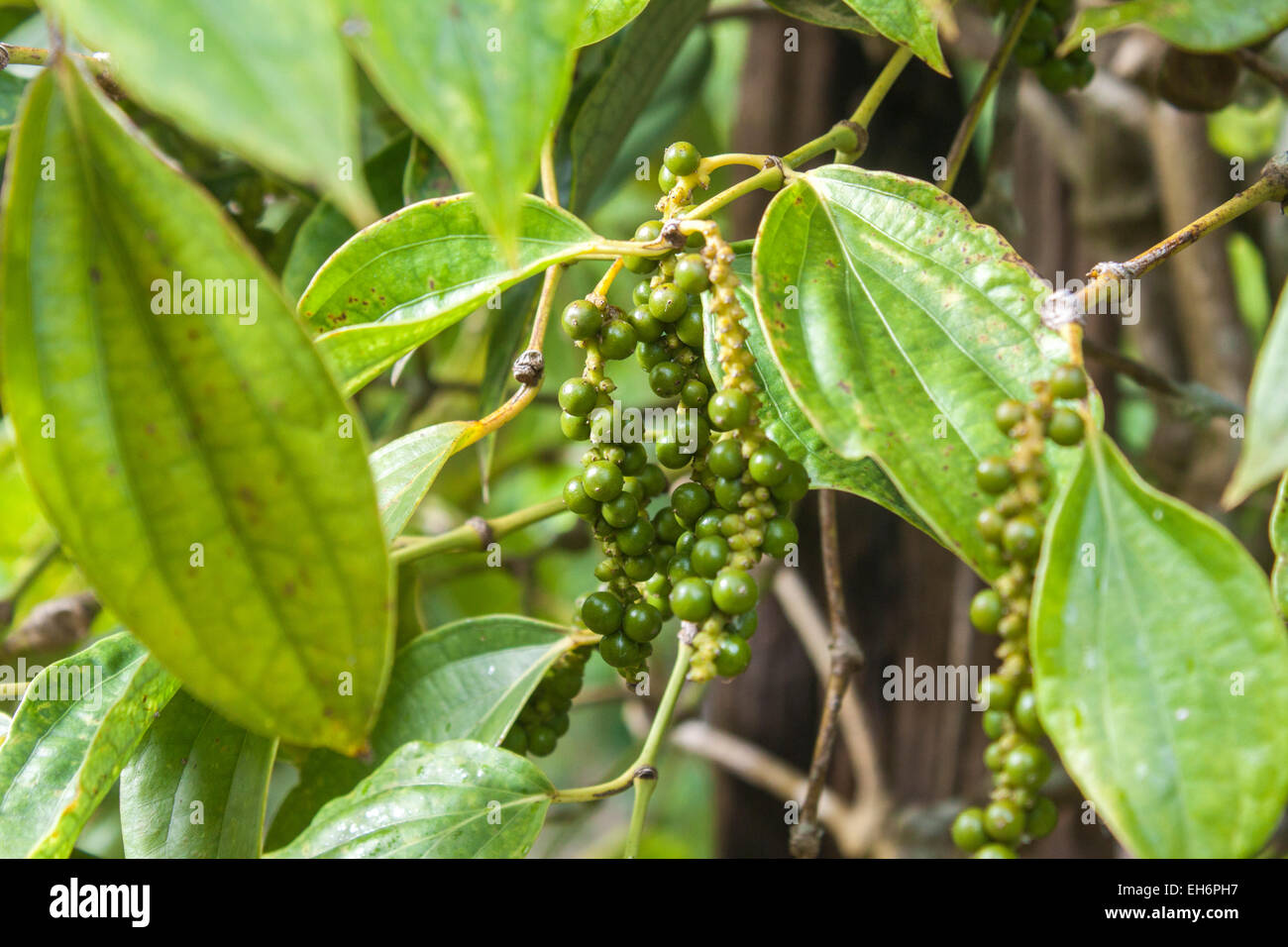
The breen plant thrives in moist, well-drained soil with a pH between 6.0 and 7.5. It prefers partial shade to full sun and can tolerate a wide range of temperatures. The plant is native to the eastern United States, where it is found in forests, meadows, and along streams.
Environmental Conditions
The breen plant prefers to grow in areas with moderate rainfall and humidity. It can tolerate drought conditions for short periods but will not survive in waterlogged soil. The plant is also sensitive to cold temperatures and will die back to the ground in areas where the temperature drops below -10 degrees Celsius.
Geographical Distribution, What is breen plant
The breen plant is native to the eastern United States, where it is found from Maine to Florida and as far west as Texas. It has also been introduced to other parts of the world, including Europe and Asia, where it is grown as an ornamental plant.
Uses and Applications

The breen plant, with its unique properties, has been utilized by humans for centuries, both traditionally and in modern times. Its medicinal value, culinary applications, and industrial uses make it a versatile and valuable resource.
Traditionally, the breen plant has been employed in various cultures for its medicinal properties. Its leaves, roots, and flowers contain bioactive compounds that exhibit therapeutic effects. For instance, extracts from the plant have been used to treat ailments such as wounds, burns, and skin infections due to its antiseptic and antimicrobial properties.
Medicinal Properties and Health Benefits
- Antimicrobial: The breen plant contains compounds that inhibit the growth of bacteria, viruses, and fungi, making it effective against infections.
- Anti-inflammatory: It possesses anti-inflammatory properties that can reduce swelling and pain, providing relief from conditions like arthritis and rheumatism.
- Wound healing: The plant’s extracts promote wound healing by stimulating the growth of new tissue and reducing inflammation.
- Antioxidant: Breen plant contains antioxidants that protect cells from damage caused by free radicals, reducing the risk of chronic diseases.
Culinary Applications
In culinary settings, the breen plant is valued for its unique flavor and aroma. Its leaves and stems are often used as a culinary herb, adding a refreshing and slightly bitter taste to dishes. The plant’s flowers can also be used to make teas and infusions, providing a delicate and fragrant beverage.
Industrial Applications
Beyond its medicinal and culinary uses, the breen plant also finds applications in various industries. Its fibers are used in the production of textiles, paper, and other materials. Additionally, the plant’s extracts have potential applications in the cosmetic industry due to their antioxidant and anti-aging properties.