Embark on a creative journey with this guide to crafting a DIY fake plant wall. Discover the art of transforming your living space into a lush oasis, complete with stunning artificial greenery and a touch of your own ingenuity.
From selecting the perfect materials to mastering installation techniques, this comprehensive guide will equip you with the knowledge and inspiration to create a captivating focal point that brings the beauty of nature indoors.
Design and Planning for a DIY Fake Plant Wall
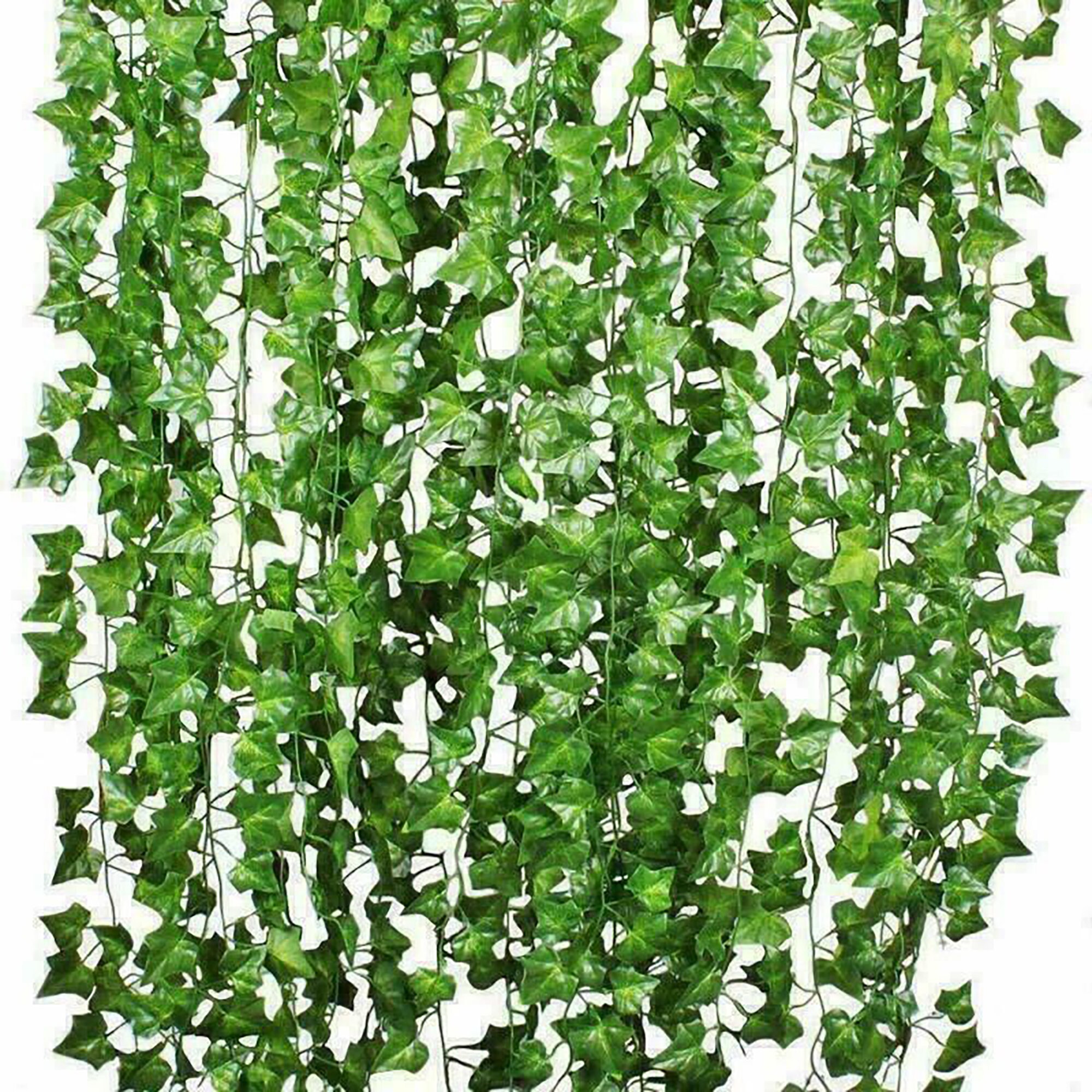
Creating a captivating DIY fake plant wall requires careful planning and design. Consider the following factors to achieve a visually stunning and realistic result:
Wall Size and Desired Coverage
Measure the wall to determine its size and the area you wish to cover with plants. This will help you estimate the quantity of plants needed and the layout options.
Plant Selection
Choose artificial plants that mimic real species in terms of texture, color, and size. Consider the overall style and ambiance you want to create. Opt for plants with varied textures and shapes to add depth and visual interest.
Layout and Arrangement
Plan the layout by sketching or using a design software. Arrange the plants in a balanced and visually appealing manner. Use larger plants as focal points and smaller ones as fillers. Consider creating clusters or layering plants to create a lush effect.
Lighting and Decorative Elements
Incorporate lighting to enhance the ambiance and highlight specific plants. Use spotlights, LED strips, or fairy lights to create dramatic effects. Add decorative elements such as faux moss, rocks, or wood accents to complement the greenery.
Step-by-Step s for Building a DIY Fake Plant Wall

Installing the Trellis or Mounting System, Diy fake plant wall
Begin by selecting a suitable trellis or mounting system that can support the weight of the artificial plants. Common options include:
– Wooden Trellises: Offer a classic and natural look, but require proper sealing for outdoor use.
– Metal Grids: Durable and versatile, suitable for both indoor and outdoor walls.
– Plastic Panels: Lightweight and easy to install, but may have a less realistic appearance.
Measure and mark the desired location on the wall. Secure the trellis or mounting system using appropriate hardware, such as screws or nails. Ensure it is level and firmly attached.
Attaching Artificial Plants Securely
Choose artificial plants that resemble natural species and complement your decor. Use a combination of textures, sizes, and colors to create a realistic and visually appealing display.
Attach the plants to the trellis or mounting system using various methods:
– Zip Ties: Provide a secure and adjustable way to fasten plants.
– Plant Clips: Designed specifically for attaching artificial plants, they are discreet and easy to use.
– Glue: For a more permanent attachment, use a clear or green adhesive specifically designed for artificial plants.
Concealing Mounting Hardware and Creating a Natural-Looking Appearance
To achieve a seamless and natural look, conceal the mounting hardware by using:
– Artificial Moss or Greenery: Place moss or small artificial plants around the base of the trellis or mounting system to cover any exposed wires or clips.
– Twine or Jute: Wrap twine or jute around the trellis or mounting system, creating a rustic and organic effect.
– Paint: Match the color of the trellis or mounting system to the wall to minimize its visibility.
Arrange the plants to create a layered and realistic effect. Avoid placing plants too evenly or symmetrically. Incorporate trailing plants to add movement and depth to the display.

