Ice plant from seed – Embark on a journey into the world of ice plant cultivation, starting with the fundamentals of seed propagation. This comprehensive guide will unveil the secrets of nurturing these captivating succulents from the very beginning, empowering you to create vibrant and resilient ice plant displays.
From understanding optimal germination conditions to mastering growing techniques and exploring diverse varieties, this guide provides a wealth of knowledge to guide you through every step of the ice plant cultivation process.
Seed Starting Techniques
Initiating ice plant cultivation from seeds requires meticulous techniques both indoors and outdoors. Understanding the optimal conditions for germination and employing proper seed starting methods are crucial for successful plant establishment.
When starting seeds indoors, utilize seed starting trays filled with a well-draining seed starting mix. Sow the seeds thinly and gently press them into the soil surface. Maintain a consistent temperature between 65-75°F (18-24°C) and provide ample light using grow lights or place the trays in a sunny location. Keep the soil moist but avoid overwatering.
Outdoors
For outdoor seed starting, select a well-drained seedbed with access to full sun. Prepare the soil by mixing in organic matter to enhance fertility and drainage. Sow the seeds thinly and cover them lightly with soil. Water the bed thoroughly and keep it moist during the germination period.
Growing Conditions
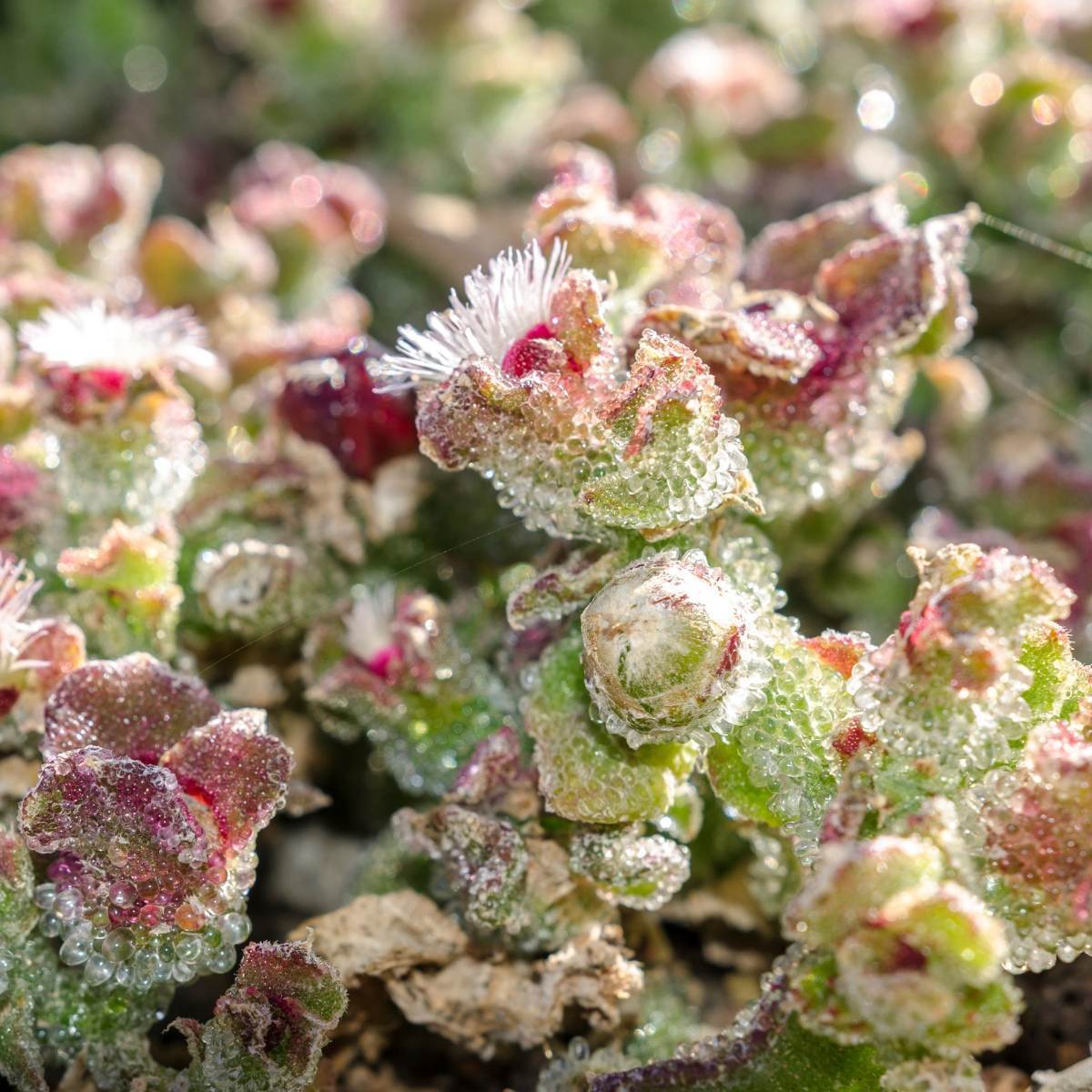
Ice plants thrive in well-drained, sandy or gravelly soils with a pH between 5.5 and 7.0. They prefer full sun but can tolerate partial shade. Watering should be infrequent and deep, allowing the soil to dry out completely between waterings.
Soil Type
The ideal soil type for ice plants is well-drained, sandy or gravelly soil. These types of soil provide good drainage and aeration, which is essential for the plant’s roots to grow and function properly.
pH Level
Ice plants prefer a soil pH between 5.5 and 7.0. This slightly acidic to neutral pH range is optimal for the plant’s nutrient uptake and growth.
Sunlight Requirements
Ice plants prefer full sun but can tolerate partial shade. In areas with hot summers, afternoon shade is beneficial to prevent the leaves from scorching.
Watering, Ice plant from seed
Ice plants are drought-tolerant and should be watered infrequently and deeply. Allow the soil to dry out completely between waterings. Overwatering can lead to root rot and other problems.
Fertilization
Fertilize ice plants lightly once a month during the growing season with a balanced fertilizer. Avoid over-fertilizing, as this can lead to excessive growth and reduced flowering.
Pests and Diseases
Ice plants are relatively pest-free and disease-resistant. However, they can be susceptible to mealybugs, aphids, and snails. Control these pests by hand-picking or using insecticidal soap.
Ice Plant Varieties: Ice Plant From Seed

Ice plants are a diverse group of succulents with a wide range of growth habits, bloom times, and hardiness zones. Some varieties are best suited for ground cover, while others are ideal for hanging baskets or rock gardens.
The following table compares some of the most popular ice plant varieties:
| Variety | Growth Habit | Bloom Time | Hardiness Zones |
|---|---|---|---|
| Delosperma cooperi | Groundcover | Summer | 5-9 |
| Delosperma alba | Groundcover | Summer | 5-9 |
| Delosperma echinatum | Groundcover | Summer | 5-9 |
| Delosperma nubigenum | Hanging baskets | Summer | 5-9 |
| Delosperma sutherlandii | Rock gardens | Summer | 5-9 |
Delosperma cooperi is a popular groundcover variety that forms a dense mat of succulent leaves. It produces bright pink flowers in the summer. Delosperma alba is another popular groundcover variety that produces white flowers. Delosperma echinatum is a low-growing variety that produces yellow flowers. Delosperma nubigenum is a trailing variety that is ideal for hanging baskets. It produces purple flowers. Delosperma sutherlandii is a compact variety that is perfect for rock gardens. It produces pink flowers.
Ice plants are a versatile group of succulents that can be used in a variety of landscaping applications. With their beautiful flowers and easy-care nature, they are a great choice for gardeners of all levels.