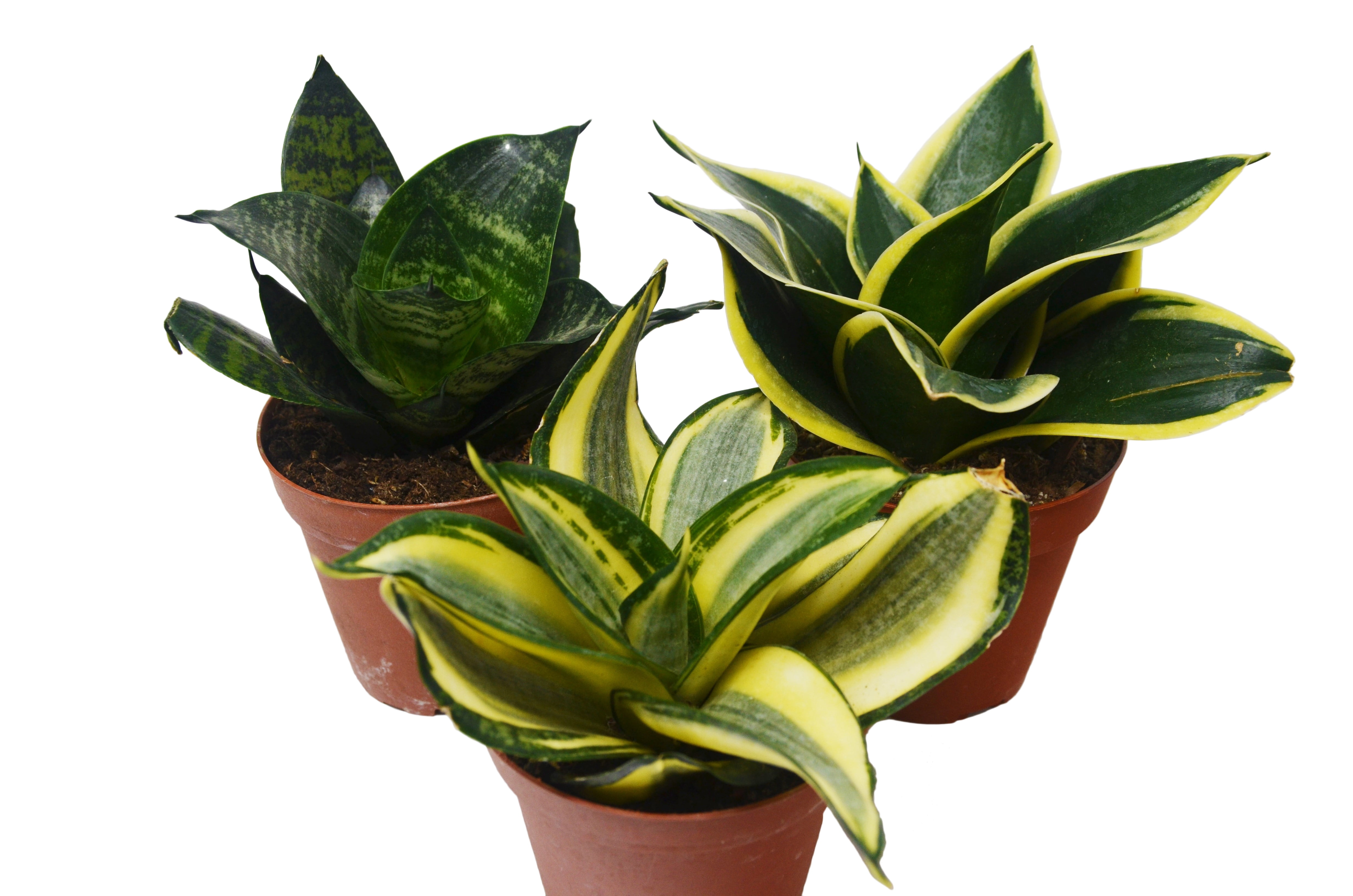
Type of snake plant – From the vibrant Sansevieria trifasciata to the delicate Sansevieria hahnii, the world of snake plants offers a diverse array of species, each with its unique characteristics and benefits. Embark on a captivating journey to discover the fascinating types of snake plants, their care requirements, and the remarkable uses that have made them a beloved addition to homes and offices alike.
Characteristics and Variations
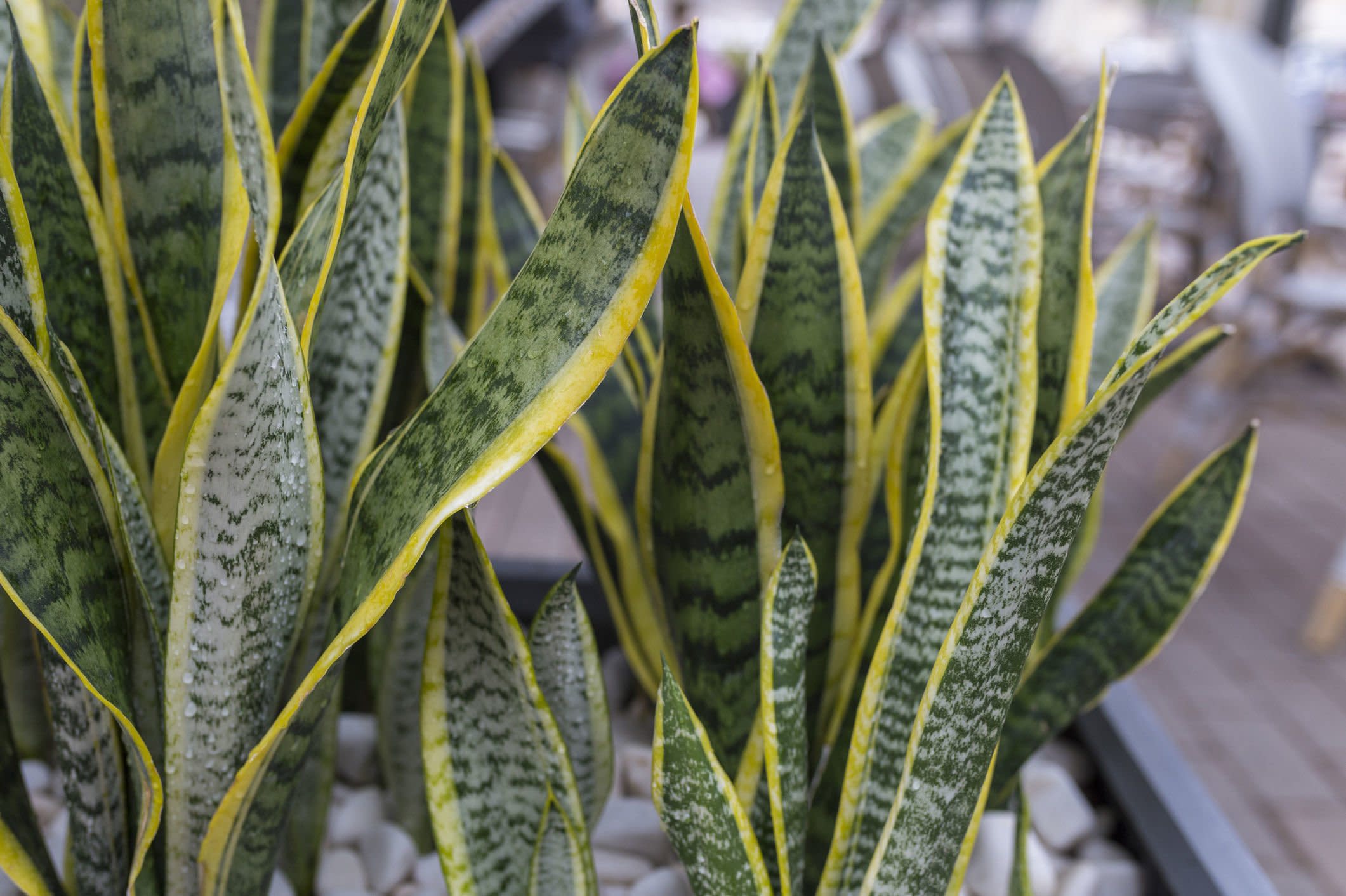
Snake plants, also known as mother-in-law’s tongue, are popular houseplants due to their striking appearance and low-maintenance care. They belong to the genus Sansevieria, which includes over 70 species native to tropical and subtropical regions of Africa, Madagascar, and southern Asia.
Snake plants exhibit a wide range of characteristics and variations, making them a versatile addition to any home or office decor. These plants typically feature long, sword-like leaves that can vary in size, shape, and color. Some varieties have variegated leaves with stripes or patterns, while others have solid green or yellow foliage.
Sizes
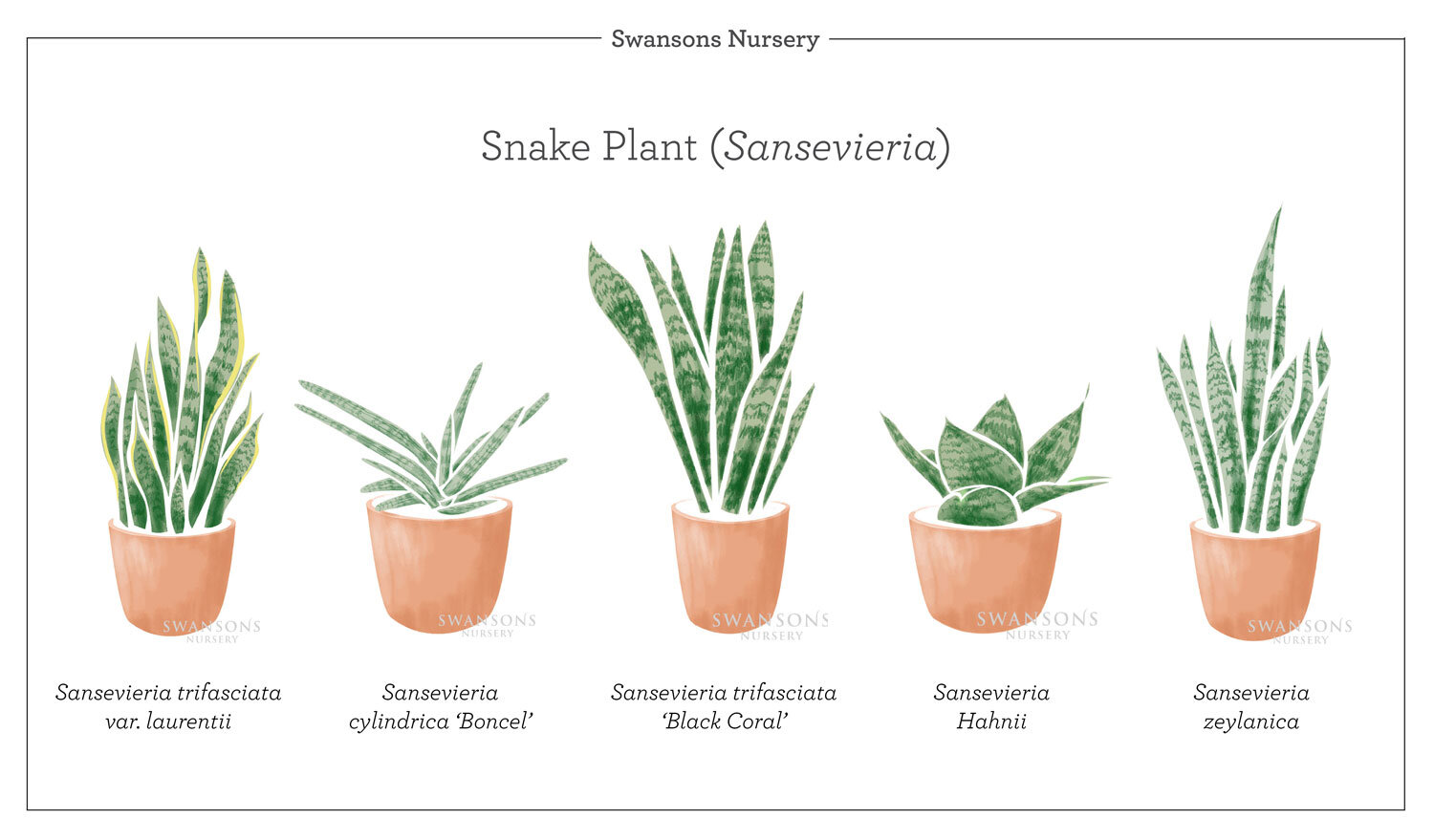
Snake plants come in a variety of sizes, from small, compact plants that are ideal for tabletop displays to large, architectural specimens that can make a bold statement in a corner or hallway. Some of the smaller varieties, such as Sansevieria trifasciata ‘Hahnii’, typically grow to a height of 6-12 inches. Larger varieties, such as Sansevieria trifasciata ‘Laurentii’, can reach heights of up to 4-6 feet.
Shapes
Snake plant leaves can vary in shape from long and narrow to short and broad. Some varieties, such as Sansevieria trifasciata ‘Laurentii’, have flat, sword-like leaves. Others, such as Sansevieria trifasciata ‘Cylindrica’, have cylindrical leaves that resemble pencils. The shape of the leaves can also vary within a single variety, depending on the age and growing conditions of the plant.
Colors
Snake plants are known for their vibrant foliage, which can range in color from deep green to yellow and variegated patterns. The most common variety, Sansevieria trifasciata, has solid green leaves with light green or yellow stripes. Other varieties, such as Sansevieria trifasciata ‘Laurentii’, have dark green leaves with bright yellow margins. Variegated varieties, such as Sansevieria trifasciata ‘Moonshine’, have a mix of green, yellow, and white stripes.
Common Varieties
There are several common varieties of snake plants, each with its unique characteristics. Here are a few of the most popular:
- Sansevieria trifasciata ‘Laurentii’: This is the most common variety of snake plant, known for its tall, upright leaves with dark green centers and bright yellow margins.
- Sansevieria trifasciata ‘Hahnii’: This is a smaller variety of snake plant, with short, broad leaves that form a rosette shape.
- Sansevieria cylindrica: This variety has cylindrical leaves that resemble pencils, making it a unique and eye-catching addition to any collection.
Care and Maintenance
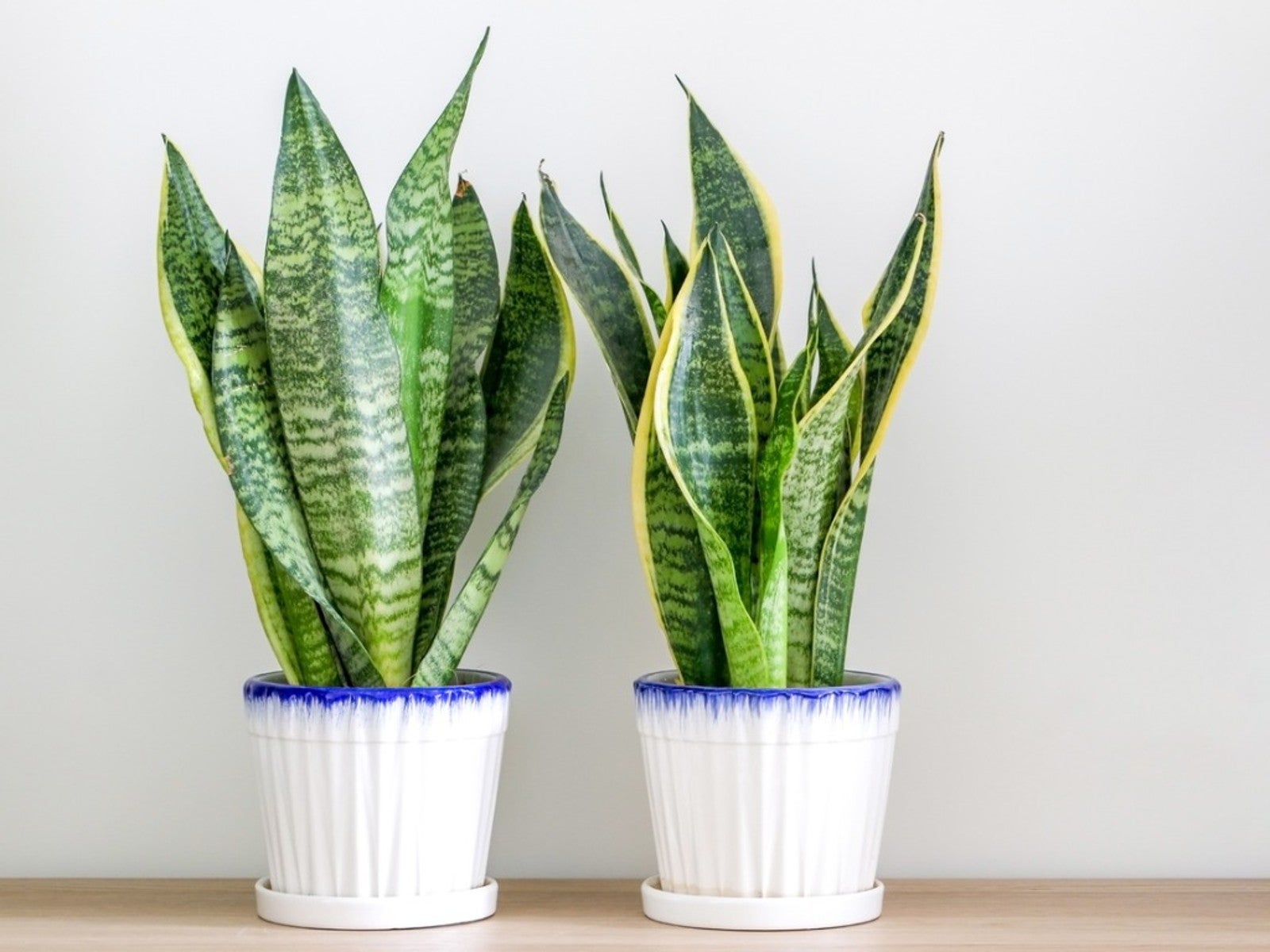
Snake plants are relatively low-maintenance plants that can thrive in various indoor environments. However, understanding their specific care requirements is crucial for ensuring their optimal growth and health.
Light Conditions: Snake plants prefer bright, indirect light. Avoid placing them in direct sunlight, as this can scorch their leaves. They can also tolerate low light conditions, but their growth may be slower.
Watering Frequency: Snake plants are drought-tolerant and do not require frequent watering. Allow the soil to dry out completely between waterings. Overwatering can lead to root rot, so it’s best to err on the side of caution.
Soil Type: Snake plants prefer well-draining soil that is slightly acidic to neutral. A mixture of potting soil, perlite, and peat moss is ideal.
Propagation
Snake plants can be easily propagated through various methods:
- Division: Divide mature plants into smaller sections, ensuring each section has a few leaves and roots.
- Leaf Cuttings: Cut a healthy leaf into sections of 2-3 inches. Insert the cuttings into moist soil and keep them warm and humid.
- Water Propagation: Place a leaf cutting in a glass of water and change the water regularly. Roots will develop within a few weeks.
Pests and Diseases
Snake plants are generally resistant to pests and diseases, but they can be affected by certain issues:
- Mealybugs: These white, cottony pests can suck sap from the leaves. Treat with insecticidal soap or neem oil.
- Spider Mites: These tiny pests spin webs on the leaves and cause yellowing and stunted growth. Treat with insecticidal soap or horticultural oil.
- Root Rot: Overwatering can lead to root rot, which can be fatal to the plant. Repot the plant in fresh soil and reduce watering.
Uses and Benefits: Type Of Snake Plant
Snake plants are versatile additions to any space, offering a wide range of benefits that extend beyond their aesthetic appeal.
Beyond their air-purifying abilities, snake plants are also prized for their decorative value. Their architectural form and striking foliage make them a popular choice for modern and contemporary interiors. They are often used to add a touch of greenery to minimalist spaces, where their simple yet elegant presence complements the clean lines and neutral tones.
Feng Shui Significance, Type of snake plant
In the realm of feng shui, snake plants hold special significance. They are believed to possess the ability to attract positive energy and promote good fortune. Their upright growth habit is said to represent prosperity and growth, while their pointed leaves are thought to ward off negative energy.
According to feng shui principles, snake plants should be placed in the southeast corner of a room to enhance wealth and abundance. They are also said to be beneficial when placed in the east corner, where they promote health and well-being.
Anecdotal Evidence and Scientific Studies
Anecdotal evidence suggests that snake plants can improve indoor air quality and well-being. Many individuals report experiencing reduced stress levels and improved sleep after incorporating snake plants into their homes.
Scientific studies have also supported the air-purifying properties of snake plants. A study conducted by NASA found that snake plants were effective in removing formaldehyde, benzene, and trichloroethylene from the air. These pollutants are commonly found in household cleaning products, paints, and building materials.