Plant garlic zone 6 – Discover the secrets of planting garlic in zone 6 with our comprehensive guide. Learn the optimal time, soil preparation, clove selection, planting depth, and care techniques to cultivate a thriving garlic crop.
Whether you’re a seasoned gardener or a novice, this guide provides all the essential information you need to succeed in growing garlic in zone 6.
Planting s
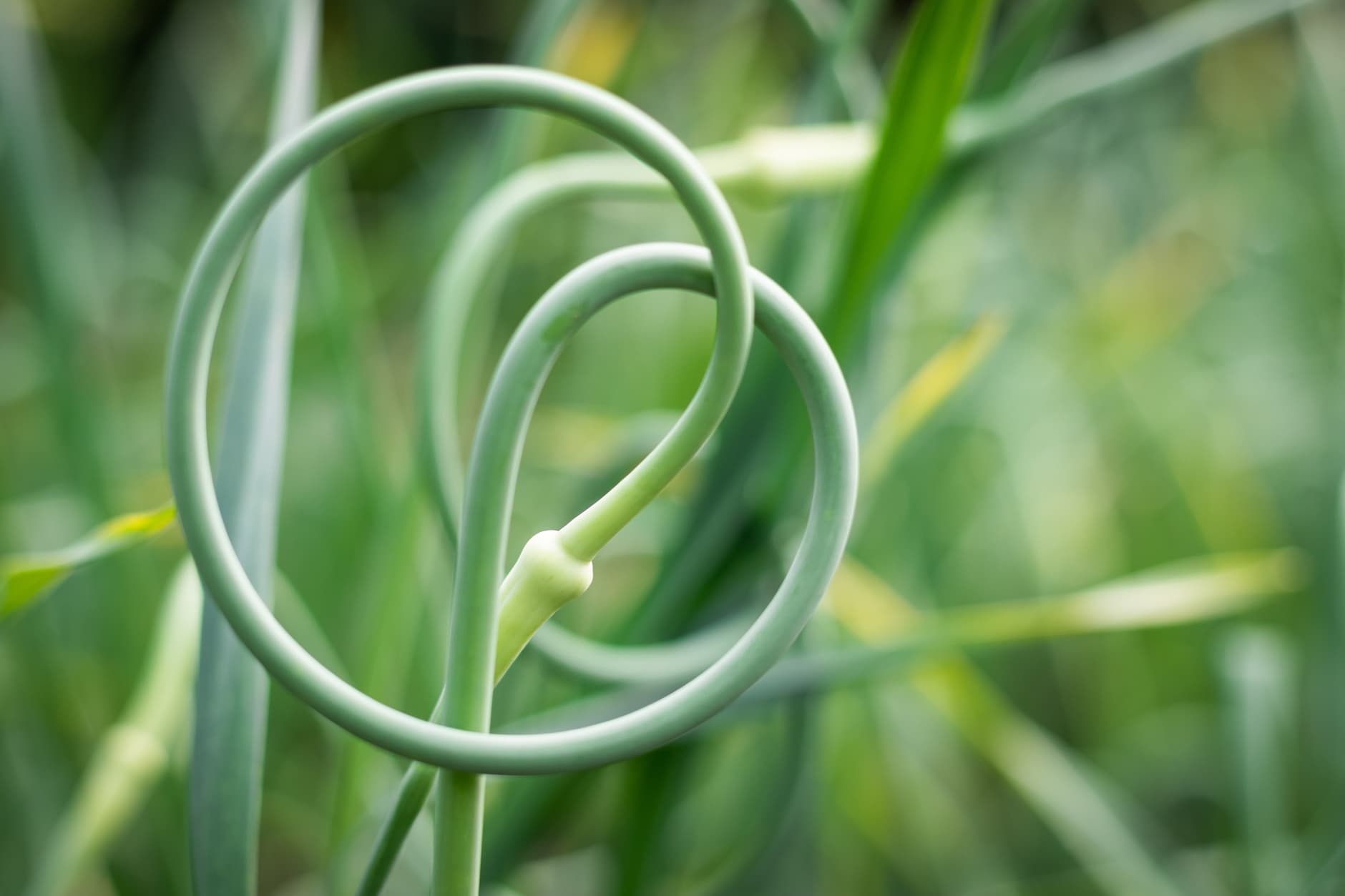
Planting garlic in zone 6 is a rewarding experience that can provide you with a bountiful harvest of flavorful garlic bulbs. Follow these step-by-step s for successful planting:
Optimal Planting Time, Plant garlic zone 6
The ideal time to plant garlic in zone 6 is in the fall, between mid-October and mid-November. Planting during this time allows the garlic to develop a strong root system before the onset of winter.
Soil Preparation
Garlic prefers well-drained soil with a pH between 6.0 and 6.8. Amend the soil with plenty of organic matter, such as compost or manure, to improve drainage and fertility.
Clove Selection
Choose large, healthy cloves from disease-free garlic bulbs. Avoid using cloves from the center of the bulb, as these are more likely to produce small bulbs.
Planting Depth
Plant the cloves pointed end up, 1 to 2 inches deep and 4 to 6 inches apart. Firm the soil around the cloves to ensure good contact with the soil.
Spacing and Watering
Space the rows of garlic 12 to 18 inches apart. Water the garlic deeply after planting and then regularly throughout the growing season, especially during dry periods.
Varieties for Zone 6: Plant Garlic Zone 6

Garlic varieties suitable for Zone 6 offer varying levels of hardiness, disease resistance, and flavor profiles. Choosing the right variety depends on your specific growing conditions and preferences.
Hardneck Varieties
- ‘German Red’: Highly cold-hardy and produces large, flavorful cloves with a pungent taste.
- ‘Rocambole’: Produces unique, bulb-shaped cloves with a mild, nutty flavor.
- ‘Purple Stripe’: Known for its purple-striped cloves and strong, garlicky flavor.
Softneck Varieties
- ‘California White’: A popular variety known for its large, white cloves and mild flavor.
- ‘Inchelium Red’: Produces large, red cloves with a spicy, pungent flavor.
- ‘Music’: A high-yielding variety with small, white cloves and a mild, sweet flavor.
Choosing the Right Variety
For optimal growth in Zone 6, consider the following factors when selecting a garlic variety:
- Hardiness: Hardneck varieties are generally more cold-hardy than softneck varieties.
- Disease Resistance: Choose varieties resistant to common diseases such as white rot and fusarium wilt.
- Flavor Profile: Select varieties that align with your taste preferences, from mild to pungent.
- Growth Habit: Hardneck varieties tend to produce flower stalks, while softneck varieties do not.
Growing Conditions

Garlic thrives in specific conditions that promote optimal growth and yield. Understanding the ideal soil, sunlight, temperature, and water requirements is crucial for successful garlic cultivation in zone 6.
Soil Requirements:
- Well-drained, loamy soil with a pH between 6.0 and 7.0 is ideal for garlic cultivation.
- Avoid heavy clay or sandy soils that can hinder root development and drainage.
- Incorporate plenty of organic matter, such as compost or manure, to improve soil fertility and water retention.
Sunlight Exposure:
- Garlic requires at least six hours of direct sunlight per day.
- Choose a planting site that receives ample sunlight throughout the growing season.
- Partial shade may be tolerated, but it can reduce bulb size and yield.
Temperature Ranges:
- Garlic prefers cool temperatures for optimal growth.
- Ideal temperature range for garlic cultivation in zone 6 is between 50°F (10°C) and 70°F (21°C).
- Prolonged exposure to temperatures below 25°F (-4°C) or above 85°F (29°C) can damage garlic plants.
Water Needs:
- Garlic requires regular watering, especially during the early stages of growth.
- Water deeply and infrequently, allowing the soil to dry out slightly between waterings.
- Avoid overwatering, as it can lead to root rot and disease.
Tips for Optimizing Growth:
- Mulch around garlic plants to retain moisture, suppress weeds, and regulate soil temperature.
- Fertilize garlic plants with a balanced fertilizer in the spring and fall.
- Practice crop rotation to prevent soil-borne diseases and improve soil health.
- Control pests and diseases promptly to prevent damage and ensure healthy garlic plants.