
Air pots for plants, with their innovative design and remarkable benefits, are revolutionizing the way we grow our beloved greenery. Their unique structure promotes exceptional root growth, drainage, and aeration, leading to thriving plants both indoors and outdoors.
From vibrant vegetables to lush herbs and towering trees, air pots cater to a wide range of plant varieties. Their exceptional drainage characteristics and versatility make them an ideal choice for gardeners seeking optimal plant growth and success.
Air Pot Design and Benefits

Air pots are a type of container designed to promote healthy root growth in plants. They feature a unique structure that allows for improved drainage and aeration, resulting in several benefits for plant health and growth.
The walls of air pots are made up of a series of vertical slits or holes, creating a breathable and porous surface. This design allows for excess water to drain away quickly, preventing waterlogging and root rot. Additionally, the slits allow for air to circulate around the roots, providing them with the oxygen they need for respiration and growth.
Materials and Durability
Air pots are typically made from durable materials such as plastic or fabric. Plastic air pots are lightweight and easy to handle, while fabric air pots are more flexible and can be folded for storage. The choice of material depends on the specific needs of the grower and the environment in which the plants will be grown.
Applications of Air Pots
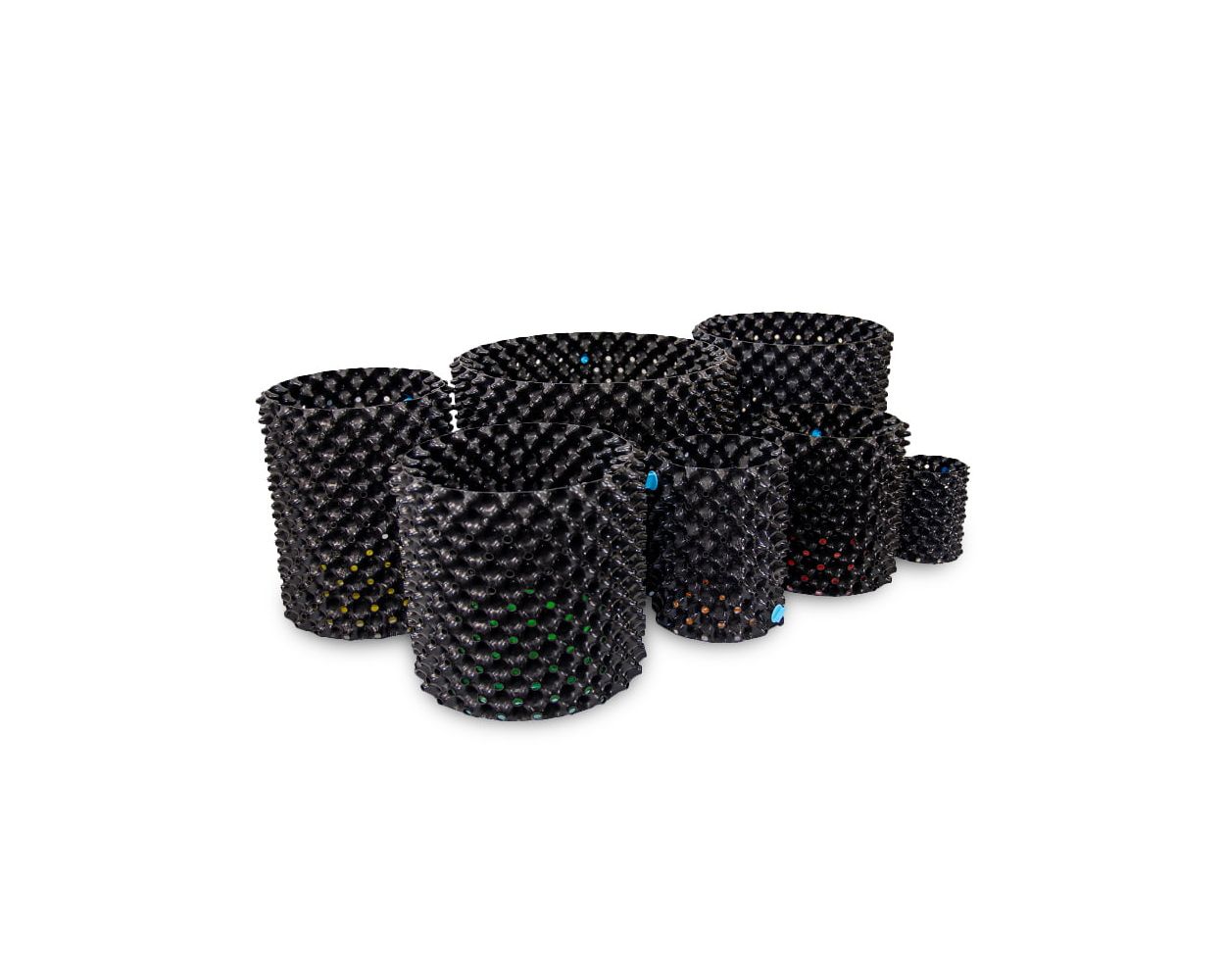
Air pots offer a multitude of benefits for various types of plants, both indoors and outdoors. They are particularly well-suited for plants that require ample root aeration and drainage, such as vegetables, herbs, and trees.
Vegetables
- Air pots promote vigorous root growth in vegetables, leading to increased yields and improved plant health.
- The improved drainage prevents waterlogging and root rot, common problems in traditional containers.
- Examples: Tomatoes, peppers, cucumbers, beans, and lettuce have shown significant growth improvements when grown in air pots.
Herbs
- Air pots provide the ideal environment for herbs, which often prefer well-aerated soil.
- The pots’ design allows for easy root pruning, encouraging dense and healthy root systems.
- Examples: Basil, rosemary, thyme, oregano, and mint thrive in air pots, producing abundant foliage and essential oils.
Trees
- Air pots are beneficial for trees, especially those that are susceptible to root circling or girdling.
- The air pruning effect prevents roots from becoming pot-bound, promoting a healthy and balanced root structure.
- Examples: Fruit trees, ornamental trees, and shade trees have demonstrated improved growth and longevity when grown in air pots.
Best Practices for Using Air Pots: Air Pots For Plants
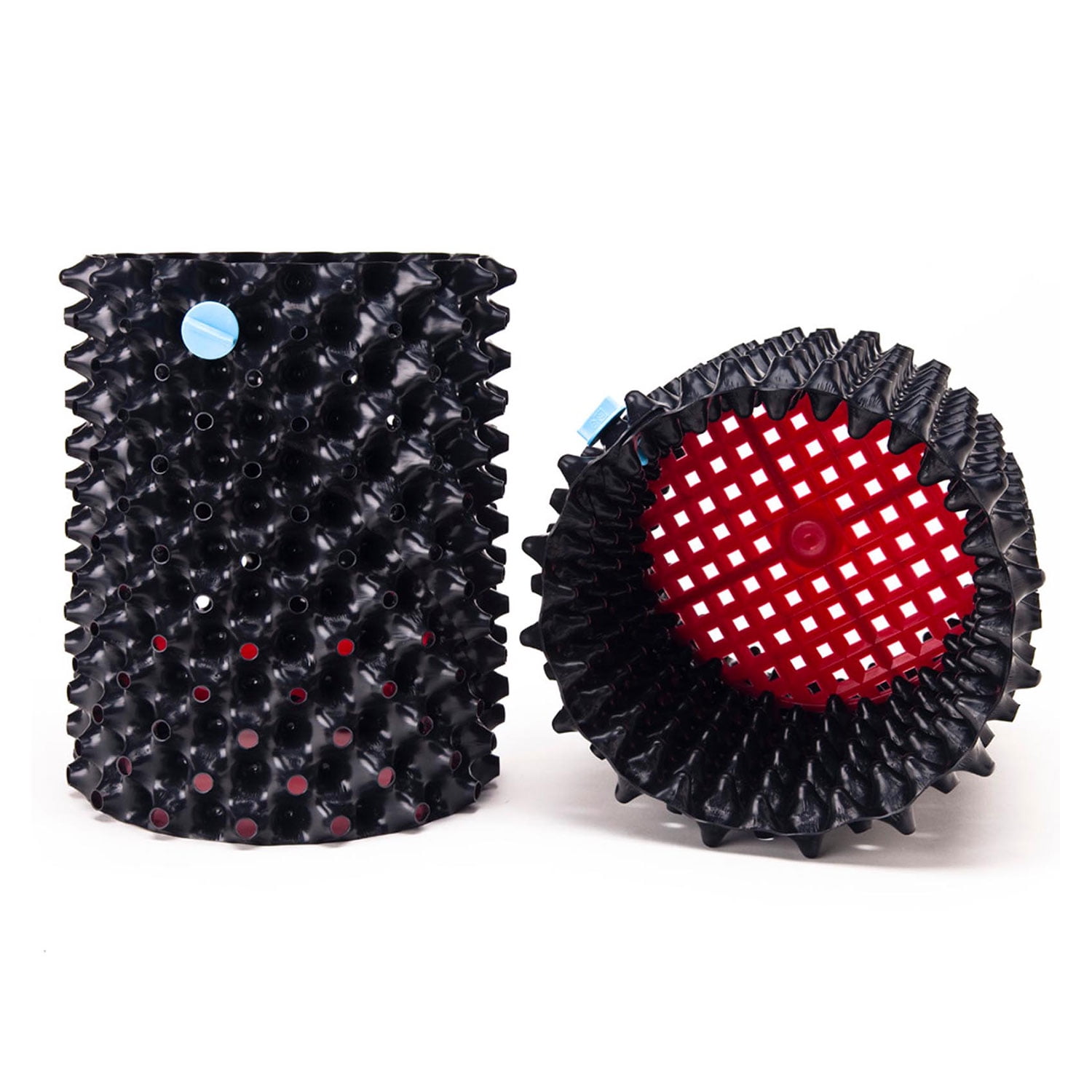
To optimize plant growth in air pots, it’s crucial to adhere to specific guidelines regarding soil composition, moisture levels, transplanting techniques, and watering practices.
Soil Composition and Moisture Levels
Air pots thrive in well-draining soil mixes. A blend of 60-70% coarse materials (e.g., perlite, pumice) and 30-40% organic matter (e.g., compost, peat moss) provides optimal aeration and moisture retention.
Maintain moisture levels at around 60-70% of the soil’s water-holding capacity. Avoid overwatering, as excess moisture can lead to root rot.
Transplanting into Air Pots
To minimize root disturbance during transplanting, gently loosen the root ball from the original container and place it into the air pot without compacting the soil.
Fill the remaining space with soil mix, ensuring there are no air pockets. Water thoroughly after transplanting to settle the soil.
Watering and Fertilizing, Air pots for plants
Air pots’ excellent drainage requires frequent watering, especially during hot, dry weather. Water until excess moisture drains out the bottom holes.
Fertilize regularly with a balanced liquid fertilizer, following the manufacturer’s instructions. Avoid over-fertilizing, as this can burn the roots.
