
Corn plant root rot, a prevalent and destructive disease, threatens the health and productivity of corn crops worldwide. Understanding its causes, symptoms, and management strategies is crucial for safeguarding these vital agricultural resources.
Pathogens such as fungi, bacteria, and nematodes are the primary culprits behind root rot in corn plants. These microorganisms attack the root system, disrupting nutrient and water uptake, leading to severe consequences for plant growth and yield.
Corn Plant Root Rot Pathogens
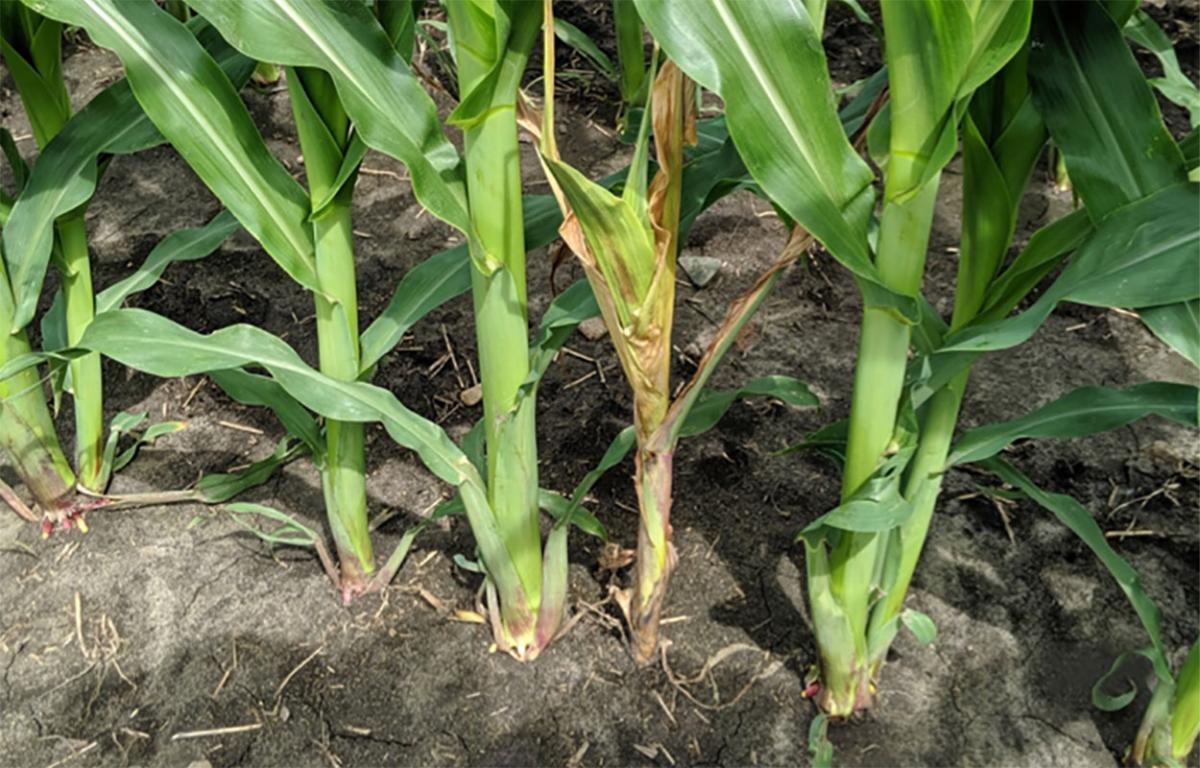
Root rot in corn plants is a severe disease that can cause significant yield losses. Several types of pathogens, including fungi, bacteria, and nematodes, can cause root rot in corn. Each pathogen has its unique characteristics and affects the plant in different ways.
Fungal Pathogens
- Fusarium spp.: These fungi are common root rot pathogens in corn and can cause seedling blight, stalk rot, and ear rot. They produce toxins that damage the plant’s vascular system, leading to wilting and stunted growth.
- Pythium spp.: These fungi cause damping-off in seedlings and root rot in mature plants. They thrive in wet, poorly drained soils and can rapidly spread through the root system, causing extensive damage.
- Rhizoctonia solani: This fungus causes root rot and seedling blight. It produces sclerotia, which are hard, dark structures that can survive in the soil for extended periods and serve as a source of infection.
Bacterial Pathogens
- Erwinia chrysanthemi: This bacterium causes bacterial wilt in corn. It enters the plant through wounds and colonizes the vascular system, causing wilting and stunting. Bacterial wilt is particularly severe in hot, humid conditions.
Nematode Pathogens
- Meloidogyne spp.: These nematodes, commonly known as root-knot nematodes, feed on the roots of corn plants, causing the formation of galls or knots. The galls disrupt the root’s ability to absorb water and nutrients, leading to stunted growth and reduced yields.
Symptoms and Diagnosis of Corn Plant Root Rot
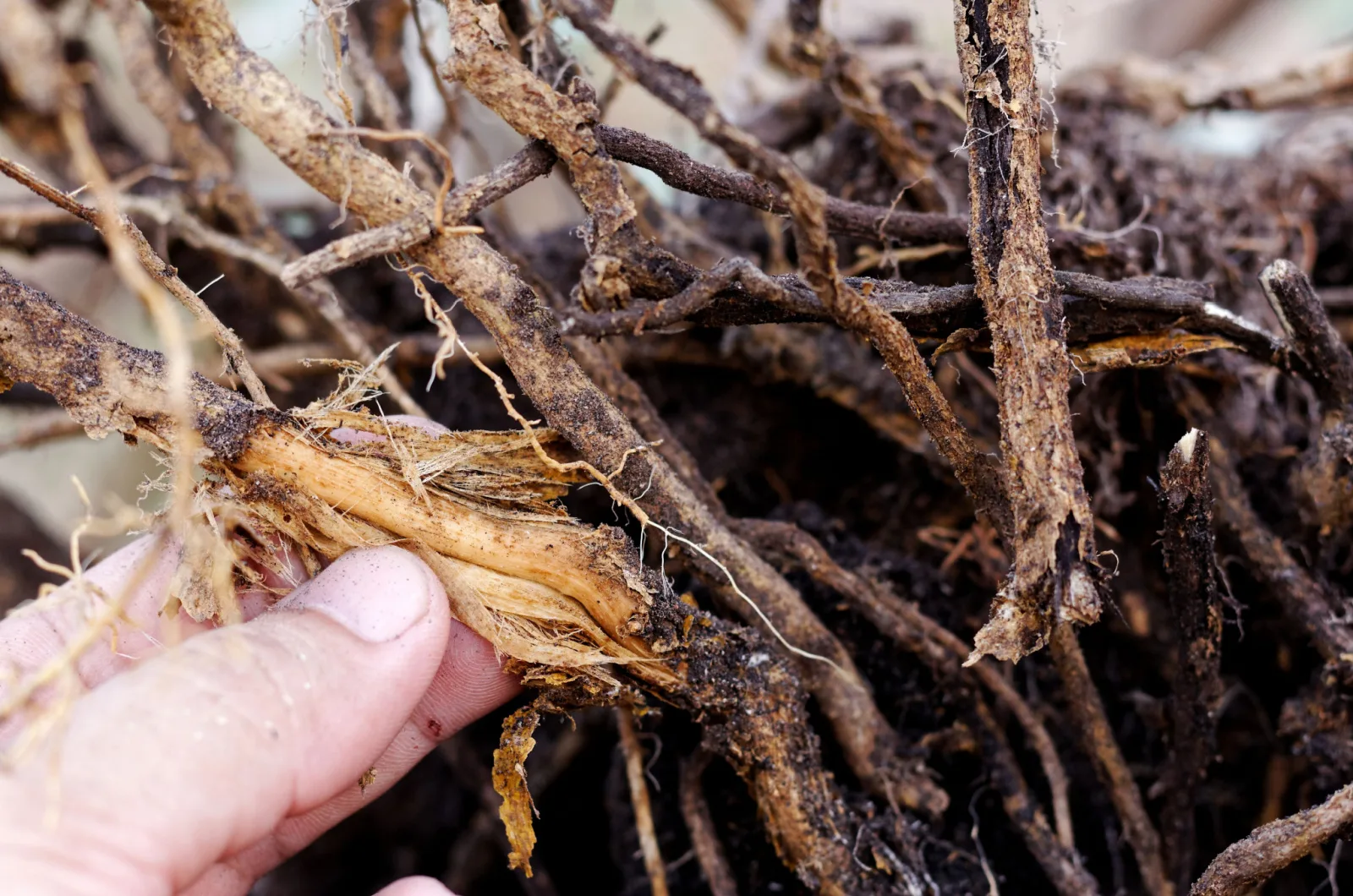
Corn plant root rot is a serious disease that can cause significant yield losses. The symptoms of root rot can vary depending on the severity of the infection, but some of the most common symptoms include:
- Yellowing leaves
- Stunted growth
- Wilting
- Poor root development
- Premature plant death
If you suspect that your corn plants may have root rot, it is important to diagnose the disease accurately so that you can take appropriate steps to manage it. There are a few different ways to diagnose root rot, including:
Visual Inspection
Visual inspection of the roots is the most common way to diagnose root rot. When examining the roots, look for the following signs of infection:
- Discoloration of the roots (brown, black, or red)
- Soft or mushy roots
- Roots that are easily broken
- Presence of lesions or cankers on the roots
Laboratory Tests
Laboratory tests can also be used to diagnose root rot. These tests can be used to identify the specific pathogen that is causing the infection and to determine the severity of the infection.
Management and Control of Corn Plant Root Rot

Managing and controlling corn plant root rot involves implementing effective strategies to minimize disease incidence and severity. Cultural practices, chemical control, and biological control methods play crucial roles in safeguarding corn crops from this damaging disease.
Cultural Practices
Adopting sound cultural practices is essential for preventing and controlling root rot in corn. These practices include:
- Crop Rotation: Rotating corn with non-host crops, such as soybeans or wheat, helps break the disease cycle and reduce the buildup of root rot pathogens in the soil.
- Proper Irrigation: Avoiding overwatering and ensuring adequate soil drainage prevents waterlogged conditions that favor root rot development.
- Soil Drainage: Improving soil drainage through practices like raised beds or tile drainage helps remove excess water and create a less favorable environment for root rot pathogens.
Chemical Control
Fungicides can be used to control root rot in corn. These chemicals target specific pathogens and can be applied as seed treatments, soil drenches, or foliar sprays. Commonly used fungicides include:
- Azoxystrobin
- Propiconazole
- Tebuconazole
Biological Control, Corn plant root rot
Biocontrol agents, such as beneficial microorganisms or natural products, offer an eco-friendly approach to managing root rot. These agents compete with or suppress root rot pathogens, reducing their impact on corn plants.
- Trichoderma species: These fungi colonize corn roots and produce antimicrobial compounds that inhibit root rot pathogens.
- Bacillus subtilis: This bacterium produces antifungal substances and promotes plant growth, enhancing corn resistance to root rot.
