Mano de dios planta – Mano de Dios plant, a captivating medicinal herb, has garnered attention for its unique attributes and potential therapeutic benefits. This remarkable plant, characterized by its distinctive physical features and growth patterns, holds a rich history of traditional medicinal uses. Join us as we delve into the fascinating world of Mano de Dios, exploring its botanical characteristics, medicinal applications, and cultivation practices.
Mano de Dios, known for its healing properties, has been utilized in traditional medicine for centuries. Its medicinal uses are supported by both historical and cultural significance, with anecdotal accounts and scientific evidence highlighting its potential to alleviate various ailments and conditions.
Mano de Dios Plant: Botanical Characteristics

The Mano de Dios plant, also known as the Hand of God plant, is a fascinating and unique species with distinctive physical attributes and growth patterns.
Physical Attributes
- Size and Shape: The Mano de Dios plant is a small to medium-sized shrub, typically growing between 2 to 5 feet in height. It has a bushy, compact form with multiple stems branching out from a central base.
- Leaves: The leaves are the most distinctive feature of the plant. They are palmately compound, resembling a hand with five to seven leaflets. Each leaflet is oval-shaped, with a smooth, glossy surface and serrated edges.
- Flowers: The Mano de Dios plant produces clusters of small, star-shaped flowers. The flowers are typically white or pale yellow and have a faint, sweet fragrance.
- Fruits: The fruits are small, fleshy berries that turn from green to purple or black when ripe. They contain several small seeds.
Growth Patterns
The Mano de Dios plant is native to tropical and subtropical regions of Central and South America. It prefers warm, humid climates with well-drained soil. It can tolerate partial shade but grows best in full sun.
The plant is relatively easy to grow and can be propagated from cuttings or seeds. It requires regular watering and fertilization during the growing season and should be pruned occasionally to maintain its shape.
Medicinal Uses of Mano de Dios Plant
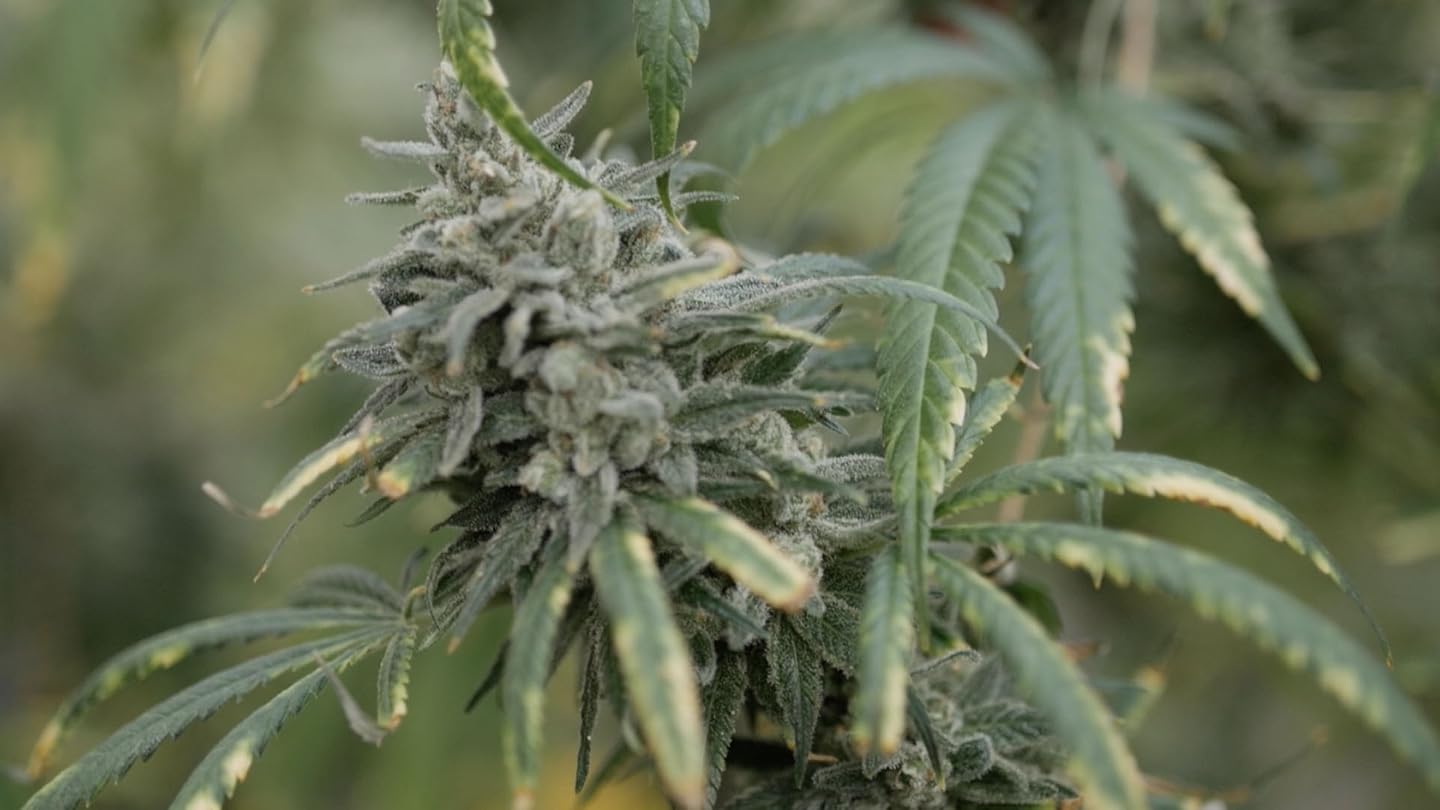
The Mano de Dios plant, known for its unique appearance and spiritual significance, also possesses notable medicinal properties. Traditionally, it has been used by indigenous communities for various ailments, and scientific research is now exploring its therapeutic potential.
Historically, the Mano de Dios plant was revered for its healing abilities in cultures throughout Central and South America. Its leaves and stems were used to treat a wide range of conditions, including respiratory ailments, skin infections, and digestive issues. The plant’s reputation as a medicinal herb has been passed down through generations, with anecdotal accounts supporting its efficacy.
In recent years, scientific studies have begun to validate some of the traditional uses of the Mano de Dios plant. Research has shown that the plant contains various bioactive compounds, including flavonoids, alkaloids, and terpenoids, which possess antioxidant, anti-inflammatory, and antimicrobial properties. These compounds may contribute to the plant’s therapeutic effects.
Respiratory Conditions
The Mano de Dios plant has been traditionally used to treat respiratory conditions such as asthma, bronchitis, and coughs. Studies have shown that the plant’s extracts can relax the airways, reducing inflammation and improving breathing. Additionally, the plant’s expectorant properties may help clear mucus from the lungs, providing relief from congestion.
Skin Conditions
The Mano de Dios plant has also been used to treat various skin conditions, including wounds, burns, and infections. The plant’s antibacterial and antifungal properties may help protect the skin from infection and promote healing. Additionally, the plant’s anti-inflammatory properties may reduce redness and swelling associated with skin conditions.
Digestive Issues, Mano de dios planta
Traditionally, the Mano de Dios plant has been used to treat digestive ailments such as diarrhea, stomach pain, and indigestion. Studies have shown that the plant’s extracts can inhibit the growth of harmful bacteria in the digestive tract, reducing symptoms of diarrhea. Additionally, the plant’s antispasmodic properties may help relieve stomach pain and cramping.
Overall, the Mano de Dios plant has a rich history of medicinal use, supported by both traditional knowledge and scientific research. Its bioactive compounds possess therapeutic properties that may benefit a variety of ailments, including respiratory conditions, skin conditions, and digestive issues. Further research is needed to fully understand the plant’s potential and safety, but its traditional uses and emerging scientific evidence suggest that the Mano de Dios plant has significant medicinal value.
Cultivation and Propagation of Mano de Dios Plant: Mano De Dios Planta

Cultivating and propagating the Mano de Dios plant is a rewarding endeavor for those seeking its medicinal benefits. The plant thrives in warm, humid climates with well-drained soil. Understanding its specific requirements and propagation methods will ensure its health and vitality.
Soil Requirements
The Mano de Dios plant prefers loose, well-drained soil with a pH between 5.5 and 6.5. A mixture of potting soil, perlite, and compost provides optimal drainage and aeration for the plant’s roots.
Watering Requirements
Water the Mano de Dios plant regularly, allowing the soil to dry out slightly between waterings. Overwatering can lead to root rot, while underwatering can stunt plant growth. Adjust the watering frequency based on the climate and soil conditions.
Propagation Methods
The Mano de Dios plant can be propagated through stem cuttings or seeds. Stem cuttings are taken from healthy, mature plants and placed in a rooting medium such as perlite or vermiculite. Seeds can be sown directly into the soil, but germination rates may be lower than with stem cuttings.
Tips for Optimal Growth
To ensure optimal growth, provide the Mano de Dios plant with:
- Bright, indirect light for at least 6 hours per day
- Regular fertilization with a balanced liquid fertilizer
- Protection from extreme temperatures and strong winds
Challenges and Special Considerations
Growing the Mano de Dios plant may present some challenges, including:
- Pest and disease susceptibility: The plant is prone to pests such as aphids and spider mites, and diseases such as powdery mildew and root rot.
- Dormancy during winter: In cold climates, the plant may go dormant during the winter months, requiring reduced watering and protection from frost.
- Slow growth rate: The Mano de Dios plant grows slowly, requiring patience and proper care to reach maturity.