
Heat pack for plants – Heat packs for plants are an effective and convenient way to provide supplemental warmth to your plants, promoting optimal growth and protecting them from cold temperatures. Whether you’re starting seeds indoors or nurturing tropical plants during winter, a heat pack can make a significant difference in their survival and well-being.
In this guide, we’ll explore the benefits of using heat packs for plants, the different types available, and how to use them effectively. We’ll also discuss alternative methods for plant heating and provide answers to frequently asked questions.
Understanding Heat Packs for Plants
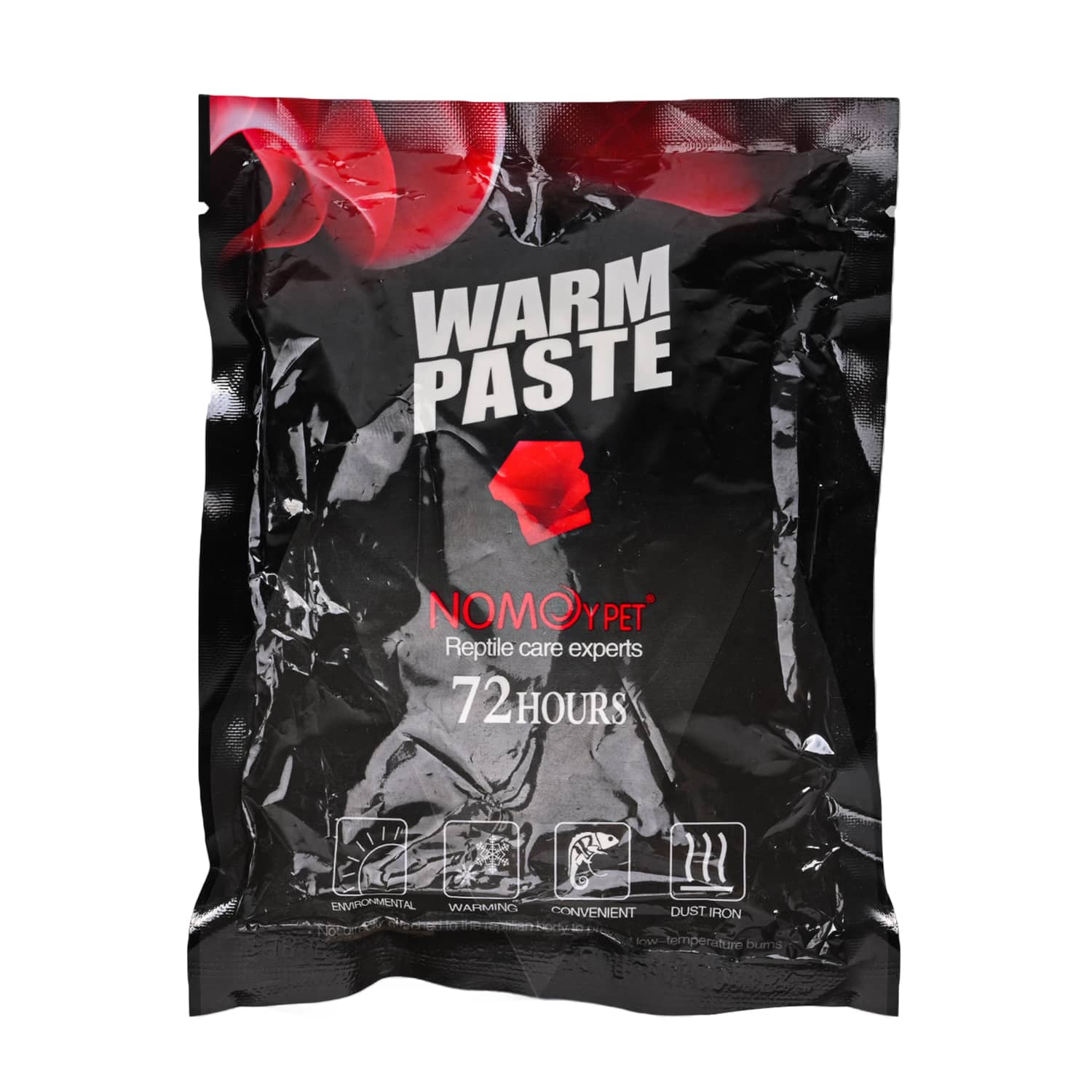
Heat packs for plants are devices that provide a controlled source of warmth to plants, aiding in their growth and development. Utilizing heat packs offers several benefits for plant cultivation, including:
- Enhanced Seed Germination: Heat packs create a warm environment, stimulating seed germination and increasing the success rate of seed propagation.
- Accelerated Plant Growth: Heat packs provide optimal temperatures for plant growth, promoting faster root development, stem elongation, and leaf production.
- Improved Nutrient Uptake: Warm soil temperatures facilitate better nutrient absorption by plant roots, ensuring optimal growth and health.
- Protection from Cold: Heat packs can protect young plants and seedlings from cold temperatures, especially during the winter or in unheated greenhouses.
Types of Heat Packs
Various types of heat packs are available for plant use, each with its unique characteristics:
- Electric Heat Mats: These mats provide a consistent and controlled source of heat, ideal for seed starting and propagating cuttings.
- Heating Cables: Heating cables can be buried in the soil or wrapped around pots, providing warmth directly to the root zone.
- Self-Heating Mats: Self-heating mats utilize chemical reactions to generate heat, offering a convenient and portable option for plant warming.
- Heat Packs: Disposable heat packs, often used for shipping plants, provide a temporary source of warmth during transportation.
Factors to Consider When Choosing a Heat Pack
When selecting a heat pack for your plants, several factors should be considered:
- Plant Species: Different plant species have varying temperature requirements. Consider the optimal temperature range for your specific plants.
- Heat Output: Choose a heat pack that provides the appropriate amount of heat for the size of your plant and the desired temperature increase.
- Size: Select a heat pack that is large enough to cover the root zone of your plants effectively.
- Durability: Consider the durability of the heat pack, especially if you plan on using it repeatedly.
- Safety: Ensure that the heat pack you choose is safe for use around plants and does not pose a fire hazard.
Using Heat Packs Effectively: Heat Pack For Plants
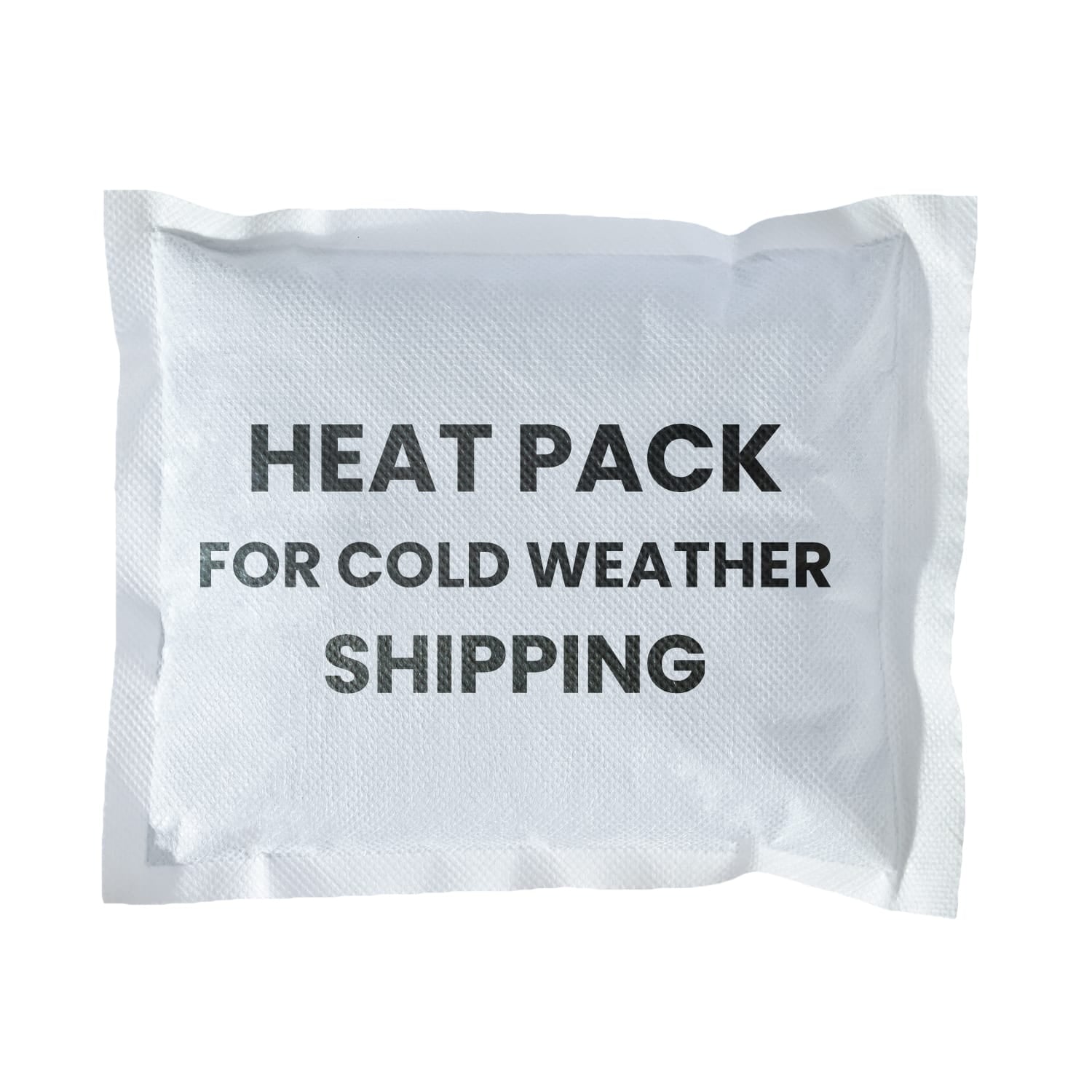
To utilize heat packs for plants, begin by selecting a heat pack designed specifically for plants. These packs often release a gentle, consistent warmth that is suitable for plant growth. Before using the heat pack, ensure the soil is moist but not waterlogged, as heat can accelerate evaporation and dry out the soil. Place the heat pack on the soil surface, taking care not to touch the plant’s stem or leaves directly. The optimal temperature for heat application varies depending on the plant species, typically ranging between 60-80°F (15-27°C). Monitor the soil temperature regularly using a soil thermometer to prevent overheating. The duration of heat application should also be adjusted based on the plant’s needs, generally ranging from a few hours to several days.
Precautions
When using heat packs, it is crucial to take precautions to prevent damage to plants. Avoid placing the heat pack directly against the plant’s stem or leaves, as this can scorch or burn the plant. Additionally, do not overheat the soil, as excessive heat can damage the plant’s roots. Monitor the soil temperature regularly and adjust the heat pack’s position or duration of use as needed. If the soil becomes too dry, water it sparingly to avoid overwatering.
Alternative Methods for Plant Heating
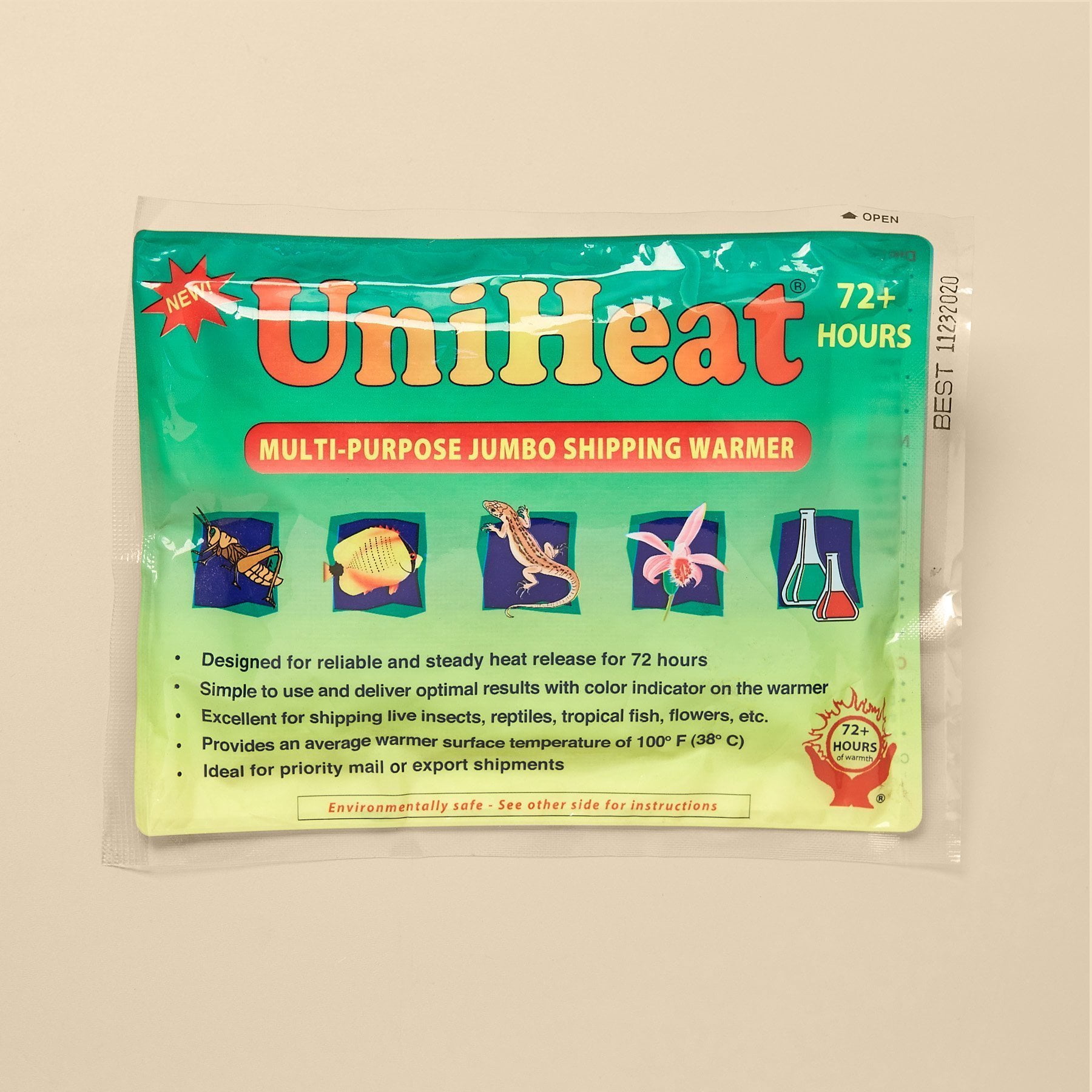
Besides heat packs, various other methods can effectively provide warmth to plants, each with unique advantages and drawbacks. Understanding these alternatives allows you to select the most suitable option based on your plant species and growing environment.
Heating Mats
Heating mats are electric devices placed beneath plant pots or containers. They emit gentle heat, warming the soil and promoting root development. Heating mats are ideal for seed germination, propagation, and maintaining warmth-loving plants during cooler months.
- Advantages: Consistent heat distribution, easy to use, and adjustable temperature settings.
- Disadvantages: Can be energy-intensive, requires electricity, and may dry out the soil quickly.
Grow Lights
Grow lights emit artificial light that mimics natural sunlight, providing warmth and promoting photosynthesis. They are particularly useful in low-light conditions or during winter months when natural light is scarce. Grow lights come in various types, including incandescent, fluorescent, and LED.
- Advantages: Extend daylight hours, enhance plant growth, and can be used in indoor or greenhouse settings.
- Disadvantages: Can be expensive to purchase and operate, and some types emit excess heat.
Greenhouses, Heat pack for plants
Greenhouses are enclosed structures designed to create a controlled environment for plants. They trap solar heat during the day and release it at night, maintaining a warmer temperature than the surrounding outdoor environment. Greenhouses are ideal for growing plants that require consistent warmth, such as tropical species.
- Advantages: Provide optimal temperature control, protect plants from harsh weather, and extend the growing season.
- Disadvantages: Can be expensive to build and maintain, require ample space, and may require additional heating sources in colder climates.
