Unveiling the secrets of the Lamb’s Tail Plant, an enchanting herb that has captivated herbalists and nature enthusiasts alike. Its captivating beauty, coupled with its remarkable medicinal properties, makes it a true gem in the realm of botanical wonders.
From its delicate, lamb’s tail-shaped inflorescences to its potent active compounds, the Lamb’s Tail Plant offers a captivating journey into the world of herbal healing. Join us as we delve into its botanical characteristics, medicinal uses, cultivation practices, and fascinating trivia.
Botanical Characteristics of Lamb’s Tail Plant
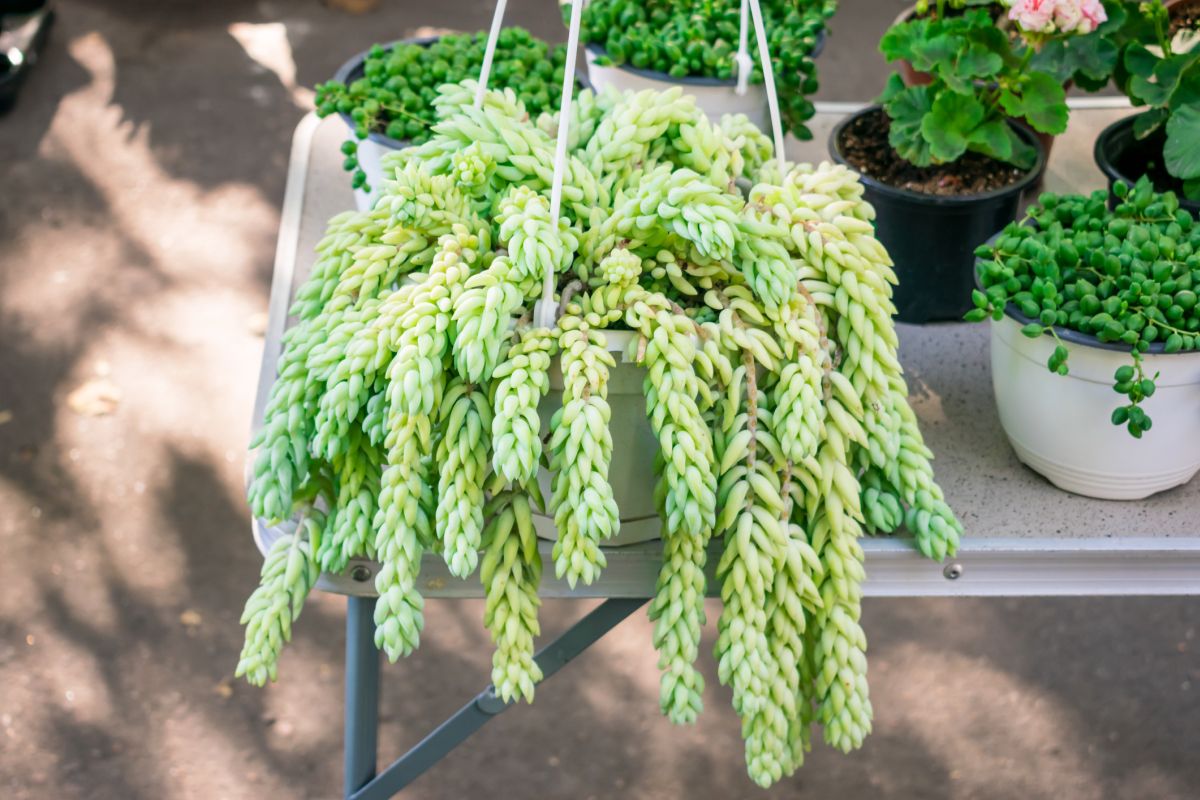
The Lamb’s Tail plant, scientifically known as Stachys byzantina, is a captivating perennial that adds a unique touch to gardens and landscapes. With its distinctive silvery-gray foliage and tall, velvety flower spikes, this plant is a visual delight and a magnet for beneficial insects.
Its botanical characteristics are a testament to its adaptability and resilience, making it a popular choice among gardeners and horticulturists alike.
Size and Shape
Lamb’s Tail plants typically grow between 12-24 inches (30-60 cm) in height and spread about 12-18 inches (30-45 cm) in width. They have a bushy, upright growth habit, with multiple stems that emerge from a central crown.
Leaves
The leaves of Lamb’s Tail are one of its most striking features. They are large and heart-shaped, with deeply lobed and crinkled edges. The leaves are covered in a dense layer of silvery-gray hairs, giving them a velvety texture and a distinctive appearance. These hairs help protect the plant from water loss and sun damage.
Flowers
The flowers of Lamb’s Tail are borne on tall, erect spikes that rise above the foliage. The spikes are composed of densely packed whorls of small, tubular flowers. The flowers are typically lavender or purple in color and bloom from mid to late summer.
Fruit
After flowering, Lamb’s Tail plants produce small, brown nutlets that are enclosed in a papery capsule. These nutlets are dispersed by wind and can germinate to produce new plants.
Unique Characteristics
Lamb’s Tail plants have several unique characteristics that distinguish them from other plants.
- Silver-gray foliage: The silvery-gray foliage of Lamb’s Tail is one of its most distinctive features. This unique color is due to the dense layer of hairs that cover the leaves.
- Velvety texture: The leaves of Lamb’s Tail have a velvety texture due to the dense layer of hairs. This texture gives the plant a soft and inviting appearance.
- Heat and drought tolerance: Lamb’s Tail plants are tolerant of heat and drought conditions. This makes them a good choice for gardens in warm, dry climates.
- Attracts beneficial insects: The flowers of Lamb’s Tail are a magnet for beneficial insects, such as bees and butterflies. These insects help to pollinate the plant and provide food for other wildlife.
Key Botanical Features
The following table summarizes the key botanical features of Lamb’s Tail plants:
| Feature | Description |
|---|---|
| Size | 12-24 inches (30-60 cm) in height, 12-18 inches (30-45 cm) in width |
| Shape | Bushy, upright growth habit |
| Leaves | Large, heart-shaped, deeply lobed and crinkled edges, covered in silvery-gray hairs |
| Flowers | Lavender or purple, borne on tall, erect spikes |
| Fruit | Small, brown nutlets enclosed in a papery capsule |
| Unique Characteristics | Silver-gray foliage, velvety texture, heat and drought tolerance, attracts beneficial insects |
Medicinal Properties and Uses of Lamb’s Tail Plant

The lamb’s tail plant (Eremurus spectabilis) has been traditionally used in various cultures for its medicinal properties. Modern research has identified several active compounds in the plant that contribute to its therapeutic effects.
One of the primary active compounds in lamb’s tail is emodin, an anthraquinone derivative. Emodin possesses laxative, antibacterial, and anti-inflammatory properties. Other active compounds include aloin, aloe-emodin, and chrysophanol, which contribute to the plant’s purgative, antiseptic, and diuretic effects.
Traditional Medicinal Uses
- Laxative: Lamb’s tail has been traditionally used as a laxative to relieve constipation. The emodin content stimulates bowel movements.
- Antibacterial: The plant’s antibacterial properties have been utilized to treat infections of the skin, wounds, and digestive system.
- Anti-inflammatory: Lamb’s tail has been used to reduce inflammation in conditions such as arthritis and hemorrhoids.
- Diuretic: The diuretic effects of the plant help increase urine output, which can be beneficial in reducing fluid retention.
Modern Medicinal Uses
In modern medicine, lamb’s tail extract has been investigated for its potential in treating various ailments:
- Antioxidant: Studies have shown that lamb’s tail extract possesses antioxidant properties that may protect cells from damage caused by free radicals.
- Anticancer: Research suggests that the emodin in lamb’s tail may have antitumor effects, inhibiting the growth of certain cancer cells.
- Antidiabetic: Lamb’s tail extract has been shown to improve glucose tolerance and insulin sensitivity, indicating potential benefits in managing diabetes.
- Hepatoprotective: Studies have found that lamb’s tail extract may protect the liver from damage caused by toxins and oxidative stress.
Cultivation and Care of Lamb’s Tail Plant

Lamb’s tail plant (Eremurus spp.) is a genus of flowering plants native to Central Asia. It is a popular ornamental plant due to its attractive, foxtail-like flower spikes. Growing lamb’s tail plants is relatively easy, but there are a few things to keep in mind to ensure optimal growth and health.
Growing Conditions
Lamb’s tail plants prefer well-drained soil that is rich in organic matter. They can tolerate a wide range of soil pH levels, but they prefer slightly acidic soil. They also need full sun to partial shade and regular watering, especially during the summer months.
Propagation
Lamb’s tail plants can be propagated by either cuttings or seeds. Cuttings should be taken in the spring or fall and rooted in a well-draining potting mix. Seeds can be sown directly in the garden in the spring or fall. They will germinate in about 2-3 weeks.
Care, Lamb’s tail plant
Lamb’s tail plants are relatively low-maintenance plants. However, there are a few things you can do to ensure they stay healthy and looking their best.
- Water regularly, especially during the summer months.
- Fertilize monthly with a balanced fertilizer.
- Deadhead spent flowers to encourage new growth.
- Divide plants every 3-4 years to prevent overcrowding.