Zone 4 bamboo plants offer a unique solution for gardeners in cold climates, providing year-round greenery and a host of environmental benefits. Discover the remarkable diversity of these hardy plants, their cultivation secrets, and how to incorporate their beauty into your outdoor space.
With their exceptional cold tolerance, zone 4 bamboo plants thrive in regions where other plants struggle to survive. Their resilience and adaptability make them an excellent choice for landscaping, privacy screening, and erosion control.
Zone 4 Bamboo Plants for Cold Climates

In the colder regions of Zone 4, where temperatures can drop below -30°F (-34°C), finding suitable bamboo plants can be a challenge. However, there are a select few bamboo species that have proven their resilience in these frigid environments.
These cold-hardy bamboos are characterized by their slow growth habits and compact sizes, making them ideal for smaller gardens or as ornamental additions to landscapes. They also exhibit remarkable tolerance to both cold and drought, allowing them to thrive in even the harshest conditions.
Recommended Bamboo Species for Zone 4
- Fargesia robusta: Also known as the “Robust Fargesia,” this bamboo is renowned for its extreme cold-hardiness, withstanding temperatures as low as -25°F (-32°C). It forms dense clumps with culms (stems) reaching heights of 6-12 feet (1.8-3.7 meters).
- Fargesia rufa: Another highly cold-tolerant bamboo, the “Red Fargesia” exhibits a graceful arching habit. Its culms are a striking reddish-brown color and grow to heights of 8-15 feet (2.4-4.6 meters).
- Fargesia scabrida: Commonly called the “Timber Bamboo,” this species is known for its sturdy, erect culms that can reach heights of 10-18 feet (3-5.5 meters). It is one of the most cold-hardy bamboos, tolerating temperatures down to -20°F (-29°C).
- Phyllostachys aurea: The “Golden Bamboo” is a larger bamboo species that can reach heights of 20-30 feet (6-9 meters). It features striking yellow culms and is moderately cold-hardy, tolerating temperatures down to -15°F (-26°C).
Optimal Growing Conditions
To ensure the success of these cold-hardy bamboos in Zone 4, it is essential to provide optimal growing conditions. These include:
- Soil: Well-drained, fertile soil with a pH between 5.5 and 7.0 is ideal.
- Light: Most bamboos prefer partial shade, although some can tolerate full sun or full shade.
- Water: Regular watering is important, especially during dry periods. Avoid overwatering, as this can lead to root rot.
- Fertilizer: Fertilize bamboos annually with a balanced fertilizer.
Benefits and Uses of Zone 4 Bamboo Plants
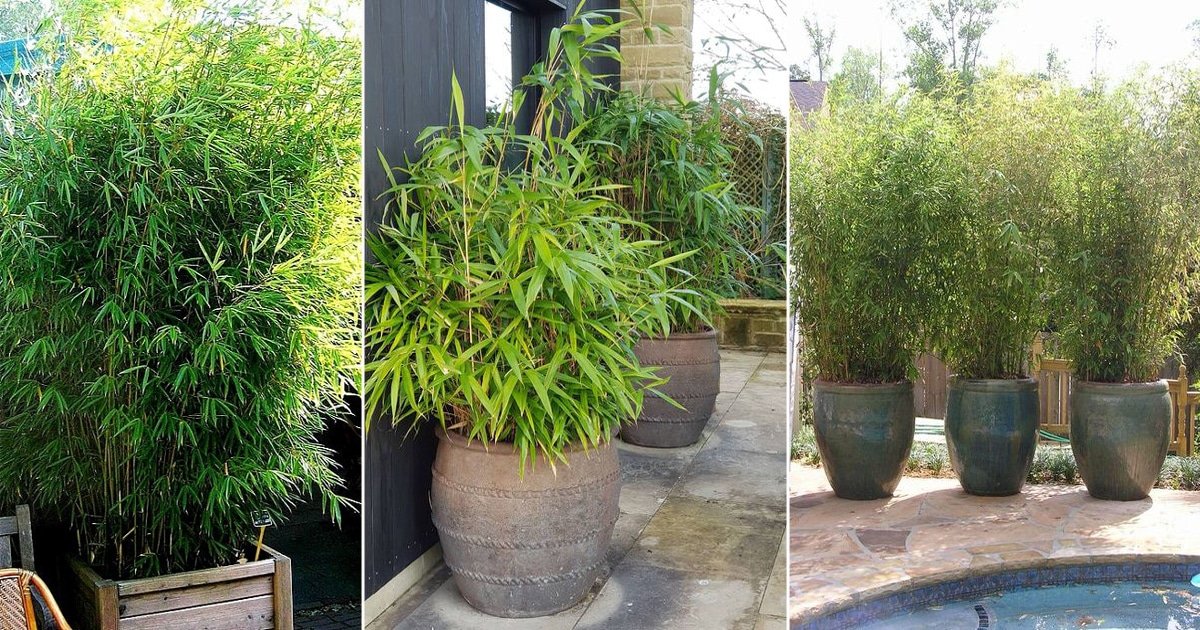
Zone 4 bamboo plants offer a wealth of benefits and uses, both for the environment and for homeowners. Their hardiness and adaptability make them an excellent choice for landscaping, erosion control, and privacy screening in cold climates.
Environmental Benefits
- Carbon Sequestration: Bamboo plants are highly efficient at absorbing carbon dioxide from the atmosphere, making them a valuable asset in the fight against climate change.
- Soil Stabilization: Bamboo’s dense root systems help to hold soil in place, preventing erosion and improving water quality.
- Wildlife Habitat: Bamboo provides food and shelter for a variety of wildlife, including birds, mammals, and insects.
Landscaping and Privacy Screening
Bamboo plants are highly versatile and can be used in a variety of landscaping applications. Their tall, slender stalks and lush foliage create a striking visual impact, making them an attractive addition to any garden. Bamboo is also an excellent choice for privacy screening, as its dense growth habit can block out unwanted views and create a secluded outdoor space.
Incorporation into Garden Designs
Bamboo plants can be incorporated into garden designs in a variety of ways. They can be planted in containers, used as a groundcover, or grown as a specimen plant. Bamboo’s adaptability makes it suitable for a wide range of garden styles, from traditional to contemporary.
Care and Maintenance of Zone 4 Bamboo Plants
Zone 4 bamboo plants are known for their hardiness and ability to thrive in cold climates. With proper care and maintenance, these plants can add beauty and value to your landscape for years to come.
To ensure the success of your Zone 4 bamboo plants, follow these guidelines:
Planting
When planting Zone 4 bamboo, choose a location that receives full sun to partial shade and has well-drained soil. Dig a hole that is twice the width of the root ball and just as deep. Place the plant in the hole and backfill with soil, tamping down gently to remove any air pockets. Water the plant deeply after planting.
Watering, Zone 4 bamboo plants
Bamboo plants require regular watering, especially during the first growing season. Water the plants deeply and infrequently, allowing the soil to dry out slightly between waterings. Avoid overwatering, as this can lead to root rot.
Fertilizing
Fertilize Zone 4 bamboo plants once a year in the spring with a balanced fertilizer. Apply the fertilizer according to the manufacturer’s instructions.
Mulching
Mulching around Zone 4 bamboo plants helps to retain moisture, suppress weeds, and regulate soil temperature. Use a thick layer of organic mulch, such as shredded leaves or bark, around the plants.
Common Pests and Diseases
Zone 4 bamboo plants are relatively pest- and disease-resistant. However, they can be susceptible to aphids, spider mites, and bamboo powdery mildew.
Aphids can be controlled by spraying the plants with a strong stream of water or by using an insecticidal soap. Spider mites can be controlled by spraying the plants with a mixture of water and neem oil. Bamboo powdery mildew can be controlled by spraying the plants with a fungicide.
Pruning
Pruning is not necessary for Zone 4 bamboo plants, but it can be done to control the size and shape of the plants. Pruning should be done in the late winter or early spring before new growth begins.
Controlling the Spread of Bamboo
Zone 4 bamboo plants can spread quickly if not controlled. To prevent the plants from spreading, plant them in a container or use a root barrier.