
Embark on a captivating journey into the world of houseplants with our comprehensive guide, “The Book of House Plants.” Discover the secrets to thriving indoor gardens, transform your living spaces with botanical beauty, and delve into the fascinating scientific origins of these beloved companions.
From essential care tips to inspiring design ideas and an exploration of plant origins, this book empowers you to cultivate a flourishing indoor oasis that enhances your well-being and connects you with nature.
Comprehensive Guide to Houseplant Care
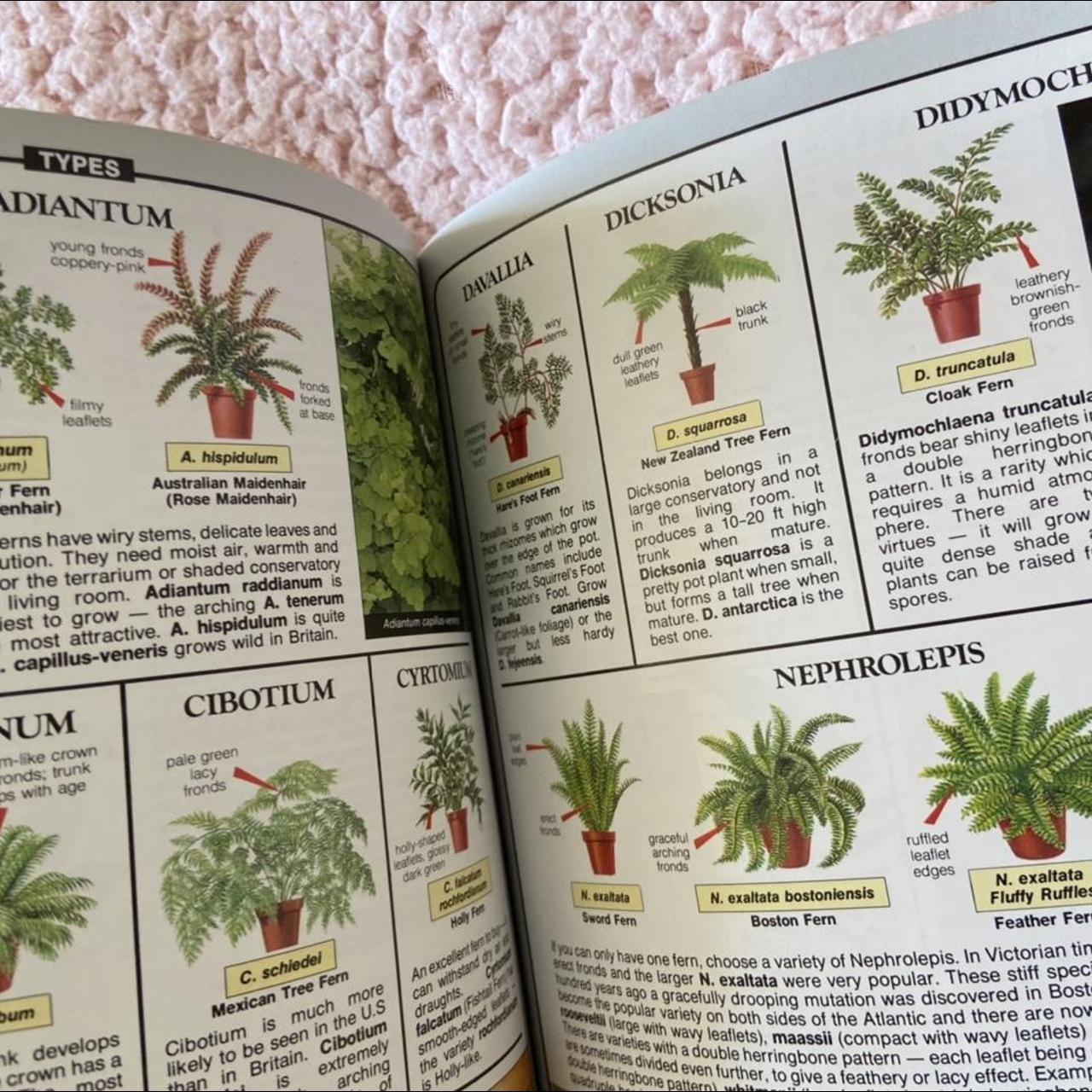
Proper lighting is crucial for houseplant health. Different plants have varying light requirements, so it’s essential to research the specific needs of each species. Some plants thrive in bright, indirect light, while others prefer low light conditions. Insufficient light can lead to stunted growth, yellowing leaves, and poor flowering, while excessive light can scorch leaves and cause dehydration.
Watering Techniques
Watering techniques vary depending on plant type and environmental factors. Some plants, such as succulents, require infrequent watering, while others, like ferns, need regular moisture. Overwatering can lead to root rot and other problems, while underwatering can cause wilting and stunted growth. It’s important to check the soil moisture level before watering and to water thoroughly, allowing excess water to drain away.
Common Houseplant Pests and Diseases
Houseplants are susceptible to a variety of pests and diseases. Aphids, mealybugs, and spider mites are common pests that can suck sap from leaves, causing yellowing and stunted growth. Fungal diseases, such as powdery mildew and root rot, can also affect houseplants. Early detection and treatment are essential for controlling pests and diseases. Regular inspection of plants, proper watering, and good hygiene can help prevent infestations and infections.
Design and Decor with Houseplants
Houseplants are not just for purifying the air anymore. They have become an essential part of home decor, adding life, color, and texture to any space. In recent years, there has been a growing trend towards using houseplants as a way to express personal style and create a more inviting and comfortable home.
One of the most popular trends in houseplant decor is the use of large, statement plants. These plants can be used to create a focal point in a room or to add a touch of drama. Some of the most popular statement plants include fiddle-leaf figs, monsteras, and palms.
Another popular trend is the use of plants to create a living wall. This can be done by mounting plants on a wall or by using a trellis or other support structure. Living walls are a great way to add greenery to a small space or to create a unique and eye-catching feature.
Visual Guide to Arranging Plants for Maximum Impact
When arranging plants for maximum impact, there are a few things to keep in mind. First, consider the size and shape of the plants. You want to create a balance between different sizes and shapes, so that the arrangement looks cohesive and not cluttered.
Second, think about the colors of the plants. You can create a monochromatic look by using plants with similar colors, or you can create a more eclectic look by using plants with a variety of colors.
Finally, consider the texture of the plants. You can create a more interesting arrangement by using plants with different textures, such as smooth leaves, fuzzy leaves, and variegated leaves.
Virtual Room Showcase
To help you visualize how to incorporate houseplants into your home decor, we have created a virtual room showcase. This showcase features a variety of different interior styles, each with its own unique plant arrangements.
In the living room, we have used large statement plants to create a focal point and add a touch of drama. We have also used a variety of smaller plants to add color and texture to the space.
In the bedroom, we have used a living wall to create a relaxing and inviting atmosphere. We have also used a few smaller plants to add a touch of personality to the space.
In the kitchen, we have used a variety of herbs and spices to create a functional and stylish space. We have also used a few larger plants to add a touch of greenery to the space.
We hope this virtual room showcase has given you some inspiration for how to incorporate houseplants into your own home decor. With a little creativity, you can use houseplants to create a more beautiful and inviting space.
Botanical Exploration of Houseplants: Book Of House Plants
Embark on a scientific expedition into the realm of houseplants, uncovering their diverse origins and intricate classification. Our virtual botanical garden tour showcases an array of species, each with its own captivating characteristics. An interactive map traces the geographical distribution of these verdant companions, revealing their fascinating journeys across the globe.
Scientific Classification and Origins
Houseplants hail from a wide array of botanical families, including Araceae, Arecaceae, and Cactaceae. The Araceae family boasts popular species such as Peace Lilies and Snake Plants, renowned for their air-purifying abilities. Arecaceae, the palm family, contributes graceful Majesty Palms and elegant Kentia Palms to our indoor landscapes. Cactaceae, the cactus family, brings a touch of desert charm with its diverse range of shapes and sizes, including the iconic Saguaro and prickly Pear Cactus.
Virtual Botanical Garden Tour
- Peace Lily (Spathiphyllum wallisii): Native to tropical America, this elegant plant features glossy, deep green leaves and delicate white flowers resembling peace flags.
- Snake Plant (Sansevieria trifasciata): Originating from Africa, this resilient plant exhibits sword-like leaves with striking patterns, making it a popular choice for low-maintenance indoor decor.
- Majesty Palm (Ravenea rivularis): Hailing from Madagascar, this majestic palm tree adds a tropical flair to any space with its large, feathery fronds.
- Kentia Palm (Howea forsteriana): Native to Lord Howe Island in Australia, this graceful palm is known for its elegant, arching fronds and air-purifying qualities.
- Saguaro Cactus (Carnegiea gigantea): Found in the Sonoran Desert of North America, this iconic cactus is one of the largest and longest-living plants on Earth, reaching heights of up to 50 feet.
- Prickly Pear Cactus (Opuntia ficus-indica): Originating from Mexico, this edible cactus features flat, oval pads covered in spines and produces sweet, juicy fruits.
Interactive Map of Geographical Distribution, Book of house plants
Our interactive map reveals the fascinating geographical distribution of houseplants. Peace Lilies and Snake Plants thrive in tropical regions, while Majesty Palms and Kentia Palms prefer temperate climates. Saguaro Cacti dominate the arid Sonoran Desert, and Prickly Pear Cacti flourish in the warm, dry climates of Mexico and the Mediterranean.

