The True Love rose plant, with its captivating beauty and rich symbolism, has captured the hearts and imaginations of countless individuals throughout history. This exquisite flower, known for its delicate petals and alluring fragrance, has become an iconic representation of love, romance, and eternal devotion.
Beyond its aesthetic appeal, the True Love rose holds a profound cultural significance, having been featured in art, literature, and music for centuries. Its distinct color, shape, and fragrance have been imbued with symbolic meanings, adding depth and nuance to its representation of love and passion.
Characteristics and Cultivation

The True Love rose, a captivating hybrid tea rose, captivates with its stunning beauty and exceptional fragrance. It is a medium-sized shrub, typically reaching a height of 3-4 feet, with an upright and bushy growth habit. Its stems are strong and slightly thorny, bearing glossy, dark green foliage that provides a striking backdrop for the exquisite blooms.
The True Love rose distinguishes itself with its large, fully double flowers, each boasting an exquisite blend of soft pink and lavender hues. The petals are gracefully arranged in a classic high-centered form, creating a captivating display. This rose blooms profusely throughout the season, producing an abundance of fragrant flowers that fill the air with their sweet and intoxicating aroma.
Ideal Growing Conditions
To thrive, the True Love rose prefers well-drained soil that is rich in organic matter and has a pH between 6.0 and 6.5. It requires full sun exposure for at least 6 hours per day to produce optimal blooms. While it tolerates partial shade, reduced sunlight may result in fewer flowers.
Care Requirements, True love rose plant
- Watering: The True Love rose benefits from regular watering, especially during hot and dry periods. Water deeply at the base of the plant, allowing the soil to dry out slightly between waterings.
- Fertilizing: Fertilize the rose monthly during the growing season with a balanced rose fertilizer. Avoid over-fertilizing, as this can lead to excessive foliage growth and fewer blooms.
- Pruning: Prune the True Love rose in late winter or early spring before new growth begins. Remove dead or diseased canes and prune back overgrown stems to encourage healthy new growth and flowering.
Symbolism and Cultural Significance
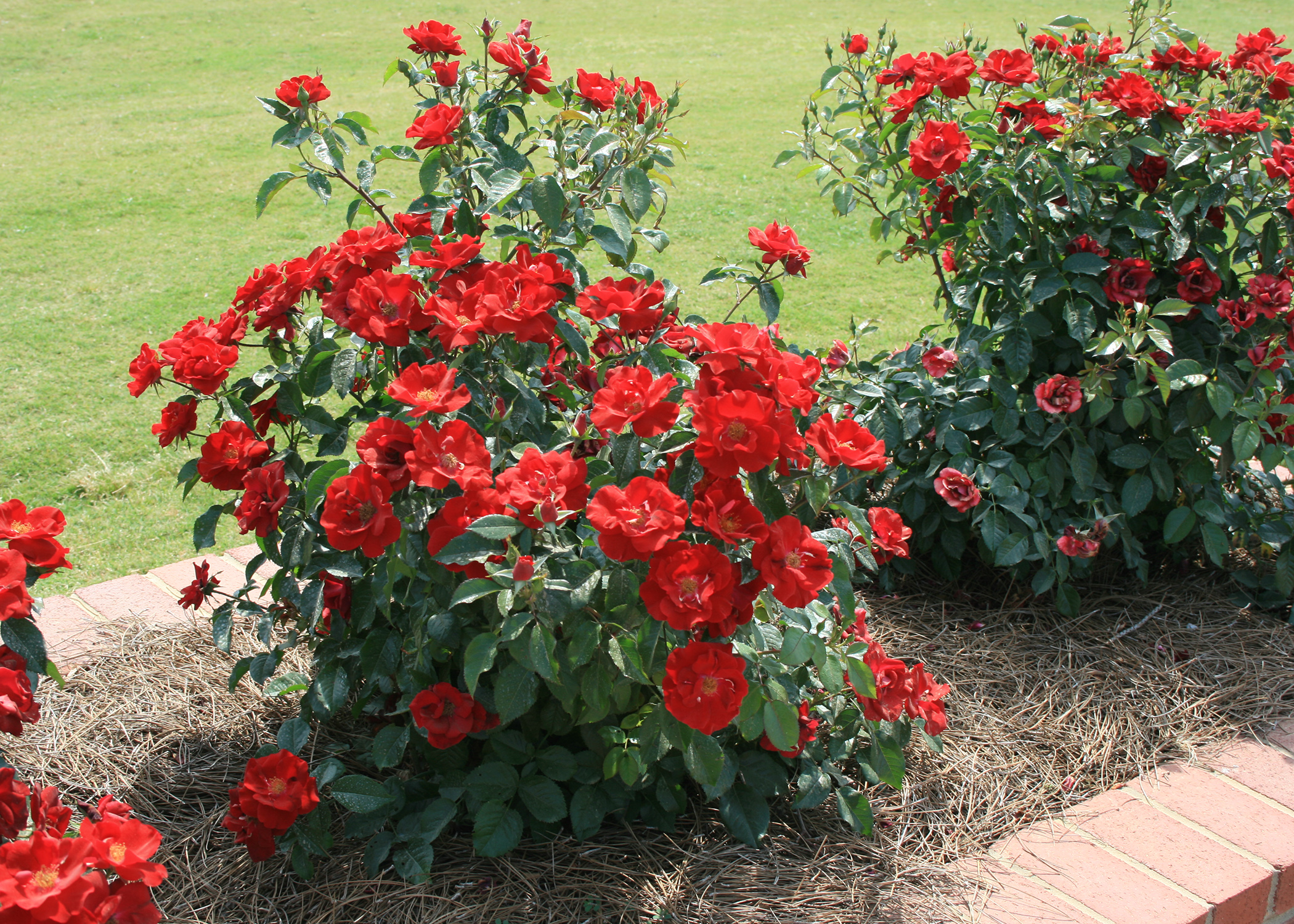
The true love rose has a rich history and cultural significance, symbolizing love, romance, and special occasions throughout the ages. Its beauty and fragrance have inspired countless works of art, literature, and music, conveying emotions and messages that transcend words.
The rose’s color, shape, and fragrance hold specific meanings in different cultures. In Western cultures, red roses are often associated with passionate love and desire, while white roses represent purity, innocence, and new beginnings. In China, the pink rose symbolizes prosperity and good fortune, while the yellow rose is associated with friendship and joy.
Art and Literature
The true love rose has been a popular subject in art for centuries. Paintings by famous artists like Pierre-Auguste Renoir and Vincent van Gogh have captured the beauty and symbolism of the rose. In literature, the rose has been used to express a wide range of emotions, from love and passion to grief and loss. The red rose is often associated with the tragic love story of Romeo and Juliet, while the white rose is a symbol of purity and innocence in works like “The Little Prince” by Antoine de Saint-Exupéry.
Music
The true love rose has also inspired many musical compositions. The “Rose” by Bette Midler is a popular love song that uses the rose as a metaphor for the beauty and fragility of love. The “La Vie en Rose” by Édith Piaf is another famous song that celebrates the beauty and joy of life, with the rose as a symbol of hope and optimism.
Uses and Applications: True Love Rose Plant

The true love rose is a versatile plant with numerous decorative and practical uses. Its aesthetic appeal and captivating fragrance have made it a popular choice for various applications, from landscaping to culinary and medicinal purposes.
In landscaping, the true love rose adds a touch of elegance and charm to gardens and outdoor spaces. Its graceful stems and vibrant blooms create a stunning visual display, attracting pollinators and enhancing the overall ambiance. The plant can be grown as a standalone shrub, trained as a climber, or incorporated into hedges and borders.
Floral Arrangements
The true love rose is highly prized in the world of floristry. Its exquisite blooms, available in a range of colors and sizes, are often used to create breathtaking bouquets, centerpieces, and floral arrangements. The flowers’ delicate petals and sweet fragrance add a touch of romance and sophistication to any occasion.
Culinary Applications
Beyond its ornamental value, the true love rose also has culinary applications. The rose petals, known for their subtle floral flavor, can be used to create a variety of sweet and savory dishes. Rose petals are commonly used in desserts, such as rose petal jam, rose water ice cream, and rose petal cake. They can also be added to salads, soups, and beverages for a unique and refreshing touch.
Medicinal Properties
The true love rose has been traditionally used in herbal medicine for its potential health benefits. The petals contain various compounds, including antioxidants, flavonoids, and essential oils, which have been studied for their anti-inflammatory, antibacterial, and antioxidant properties.
Rose petal tea, made from dried or fresh rose petals, is believed to have calming and soothing effects. It is often used to promote relaxation, reduce stress, and alleviate menstrual cramps. Additionally, rose petals have been incorporated into skincare products, such as face masks and toners, for their moisturizing and anti-aging properties.