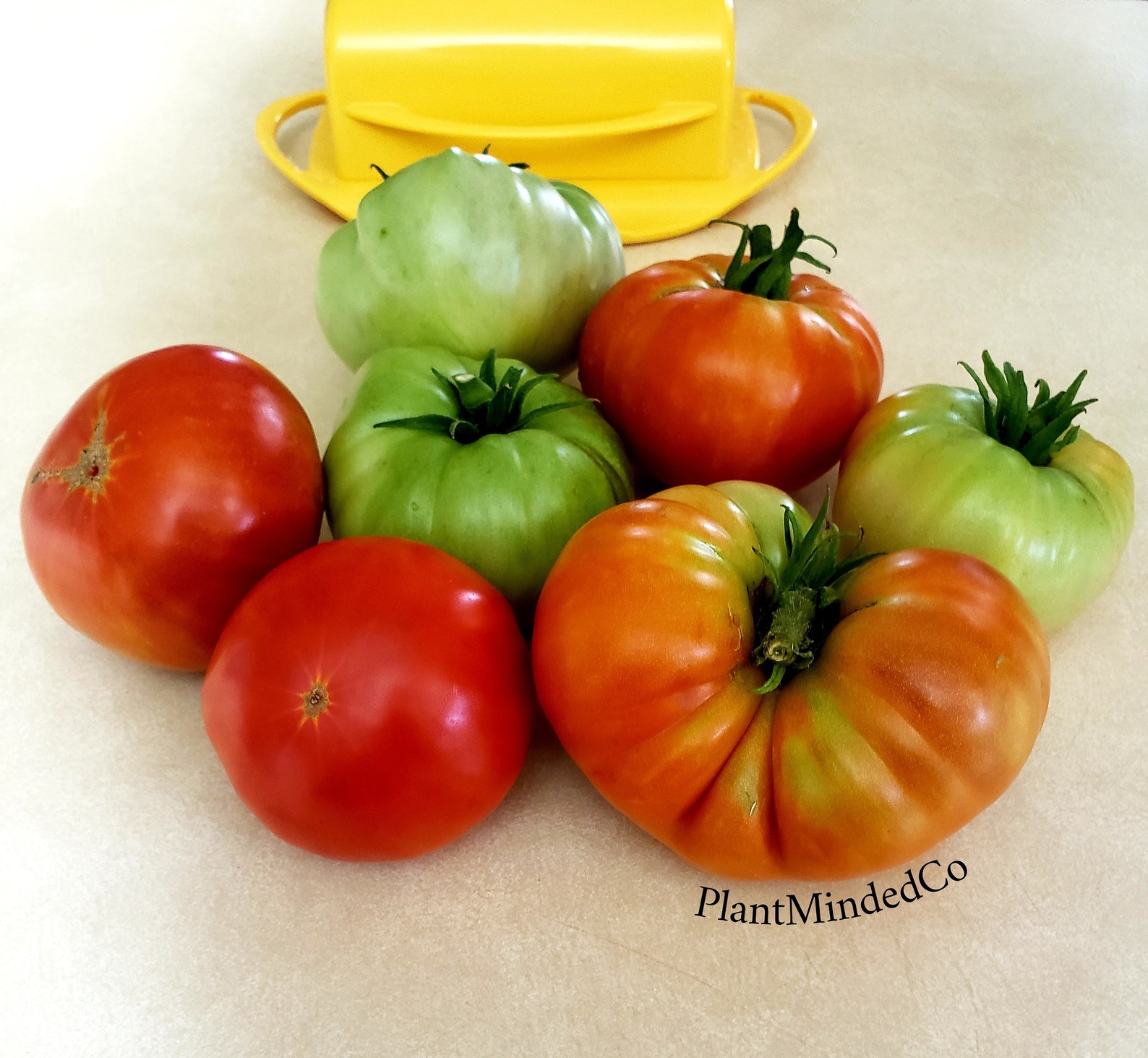
In the vibrant tapestry of the botanical world, the Big Red tomato plant emerges as a culinary masterpiece, captivating gardeners and foodies alike. With its distinctive appearance and exceptional flavor, this extraordinary variety has carved a niche for itself in gardens and kitchens around the globe.
From its sprawling vines to its succulent fruits, the Big Red tomato plant exudes an aura of rustic charm and culinary excellence. Its sturdy stems and emerald-green leaves provide a verdant backdrop for the plant’s true stars—the tomatoes themselves. These plump, crimson orbs are not only visually stunning but also burst with a symphony of flavors, promising a delightful culinary experience with every bite.
Characteristics of Big Red Tomato Plants

The Big Red tomato plant is a vigorous, indeterminate variety known for its exceptional size, prolific yield, and distinctive appearance. It belongs to the species Solanum lycopersicum and is widely cultivated in gardens and commercial farms worldwide.
Size, Shape, and Growth Habit
The Big Red tomato plant is characterized by its large size and sprawling growth habit. It can grow up to 6-8 feet tall and spread 3-4 feet wide, making it suitable for trellising or staking to support its heavy fruit load.
Leaves, Stems, and Flowers
The leaves of the Big Red tomato plant are large, compound, and deeply lobed, with a dark green color. The stems are sturdy and covered with fine hairs. The flowers are small, yellow, and borne in clusters. Each flower has five petals and five stamens.
Distinctive Features
The Big Red tomato plant stands out from other tomato varieties due to its exceptional fruit size. Its tomatoes are typically large, round, and weigh up to 1 pound or more. They have a deep red color, firm texture, and a sweet, slightly acidic flavor.
Growing and Care Requirements

Growing Big Red tomato plants is a rewarding experience that can provide you with an abundance of delicious, homegrown tomatoes. Here’s a comprehensive guide to help you successfully cultivate these plants from seeds or seedlings.
Starting from Seeds or Seedlings
Big Red tomato plants can be started from seeds or seedlings. If starting from seeds, sow them indoors 6-8 weeks before the last frost date. Seeds should be planted 1/4 inch deep in a well-draining seed starting mix. Keep the soil moist and provide ample light. Once seedlings have developed their first set of true leaves, they can be transplanted outdoors.
Optimal Soil Conditions
Big Red tomato plants thrive in well-drained, fertile soil with a pH between 6.0 and 6.8. Amend the soil with organic matter such as compost or manure to improve drainage and fertility.
Sunlight Requirements
Tomato plants require full sun for optimal growth and fruit production. Aim for at least 6 hours of direct sunlight per day.
Watering Schedule
Water tomato plants deeply and regularly, especially during hot, dry weather. Avoid overwatering, as this can lead to root rot. Mulching around the plants helps retain moisture and suppress weeds.
Fertilizing, Big red tomato plant
Fertilize tomato plants every 2-3 weeks with a balanced fertilizer. Use a fertilizer that is high in nitrogen during the vegetative growth stage and switch to a fertilizer with more phosphorus and potassium during the fruiting stage.
Mulching
Mulching around tomato plants helps retain moisture, suppress weeds, and regulate soil temperature. Use organic materials such as straw, hay, or compost as mulch.
Pruning
Pruning tomato plants helps improve air circulation and fruit production. Remove suckers (small shoots that grow between the main stem and branches) and lower leaves to promote better fruit development.
Harvesting and Uses: Big Red Tomato Plant
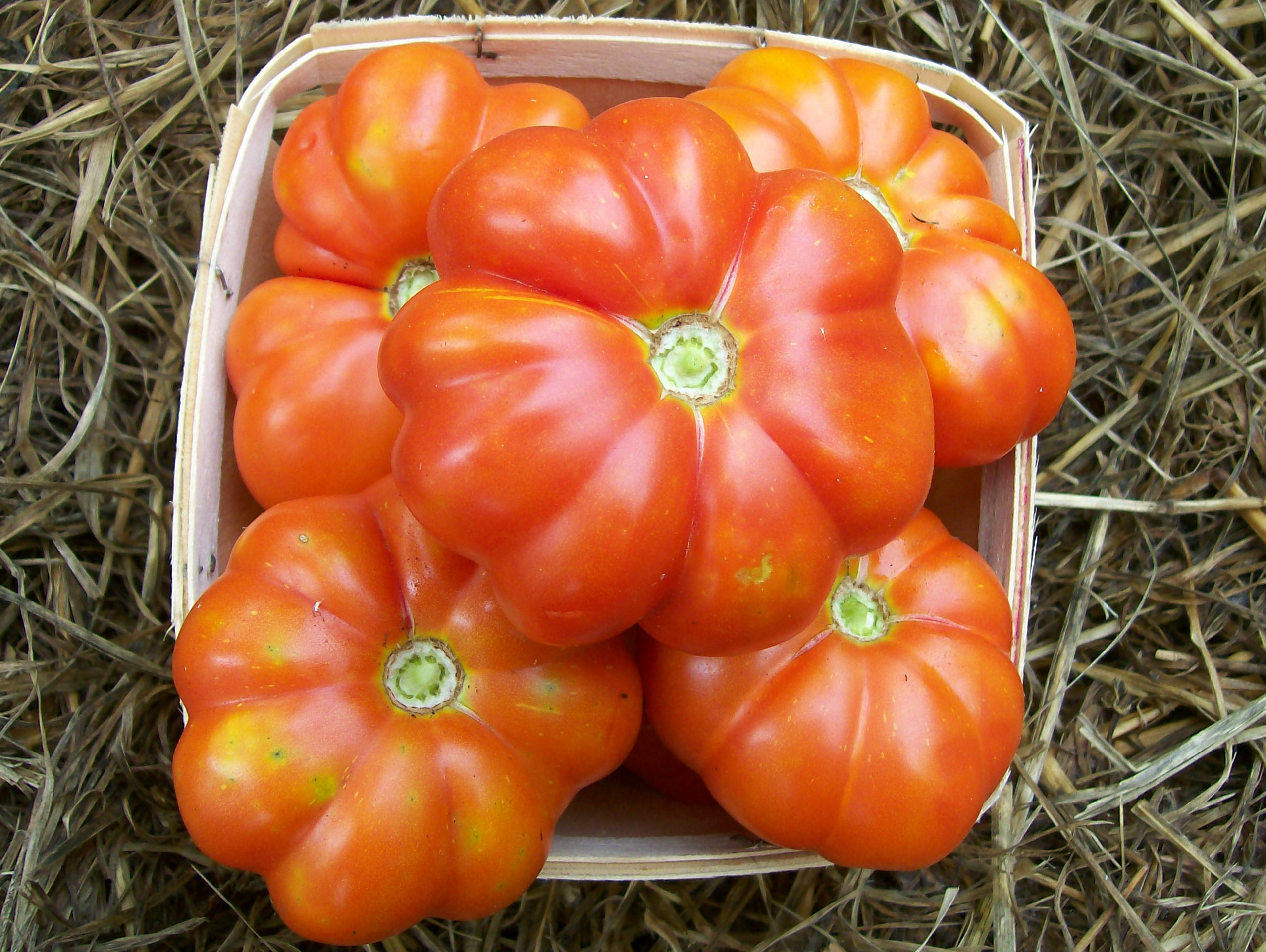
Big Red tomatoes are ready for harvest when they have reached full size and have a deep red color. Gently twist the tomatoes from the vine, taking care not to damage the fruit. Tomatoes should be stored at room temperature out of direct sunlight. For longer storage, tomatoes can be refrigerated for up to 2 weeks.
Culinary Uses
Big Red tomatoes are versatile in the kitchen. They can be enjoyed fresh in salads, sandwiches, and salsas. They are also a key ingredient in many cooked dishes, such as sauces, soups, and stews. Tomatoes can also be canned or dried for long-term storage.