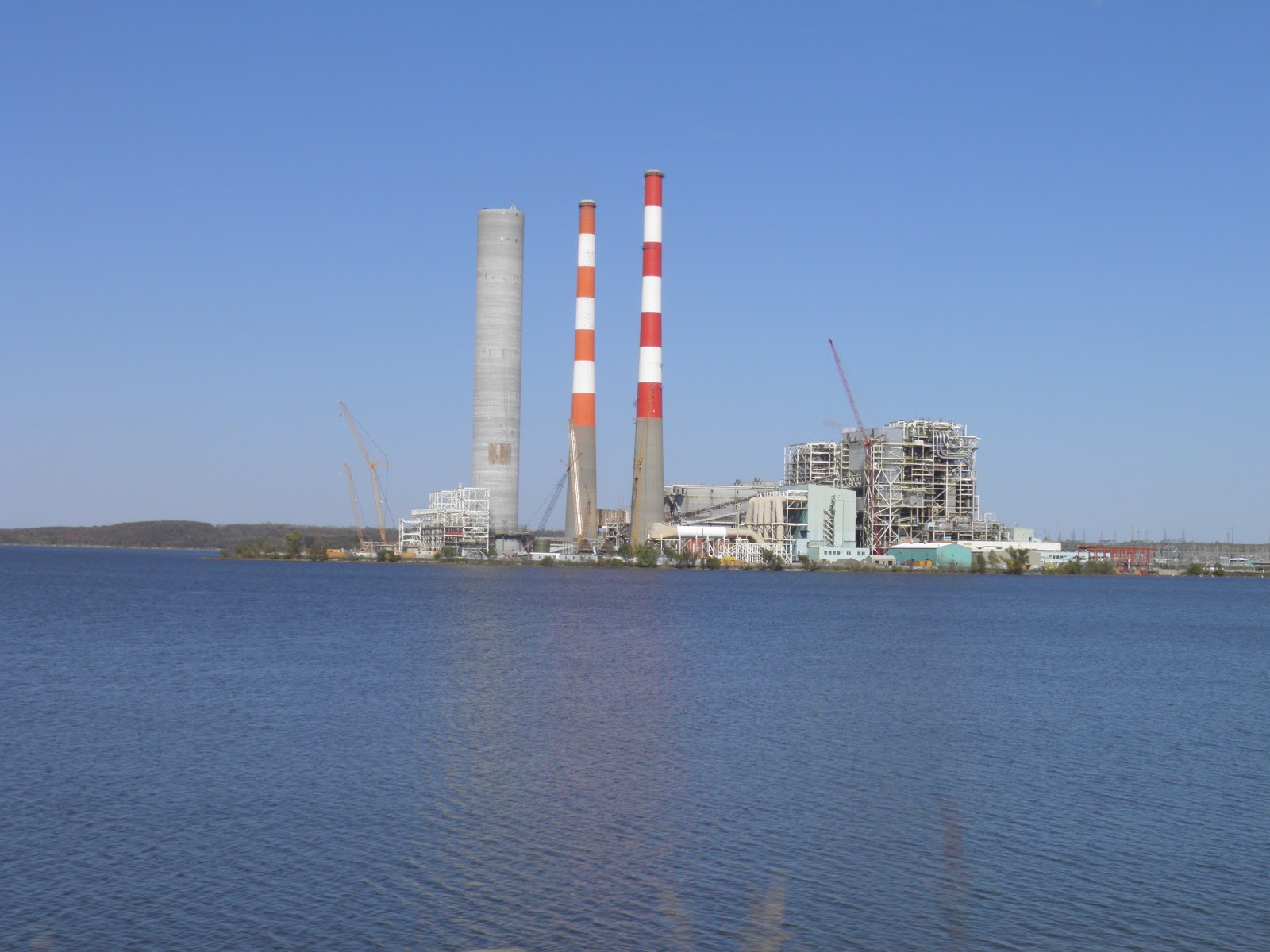
La Cygne Power Plant, a pivotal component of the regional energy landscape, stands as a testament to the interplay between energy production, environmental stewardship, and economic growth. Nestled in the heart of Kansas, this power plant has shaped the energy landscape of the region for decades, leaving an indelible mark on the local economy and environment.
Established in 1973, La Cygne Power Plant is a coal-fired power plant with a generating capacity of 1,580 megawatts. As a baseload power plant, it plays a crucial role in providing reliable and affordable electricity to homes and businesses throughout the region.
Plant Overview
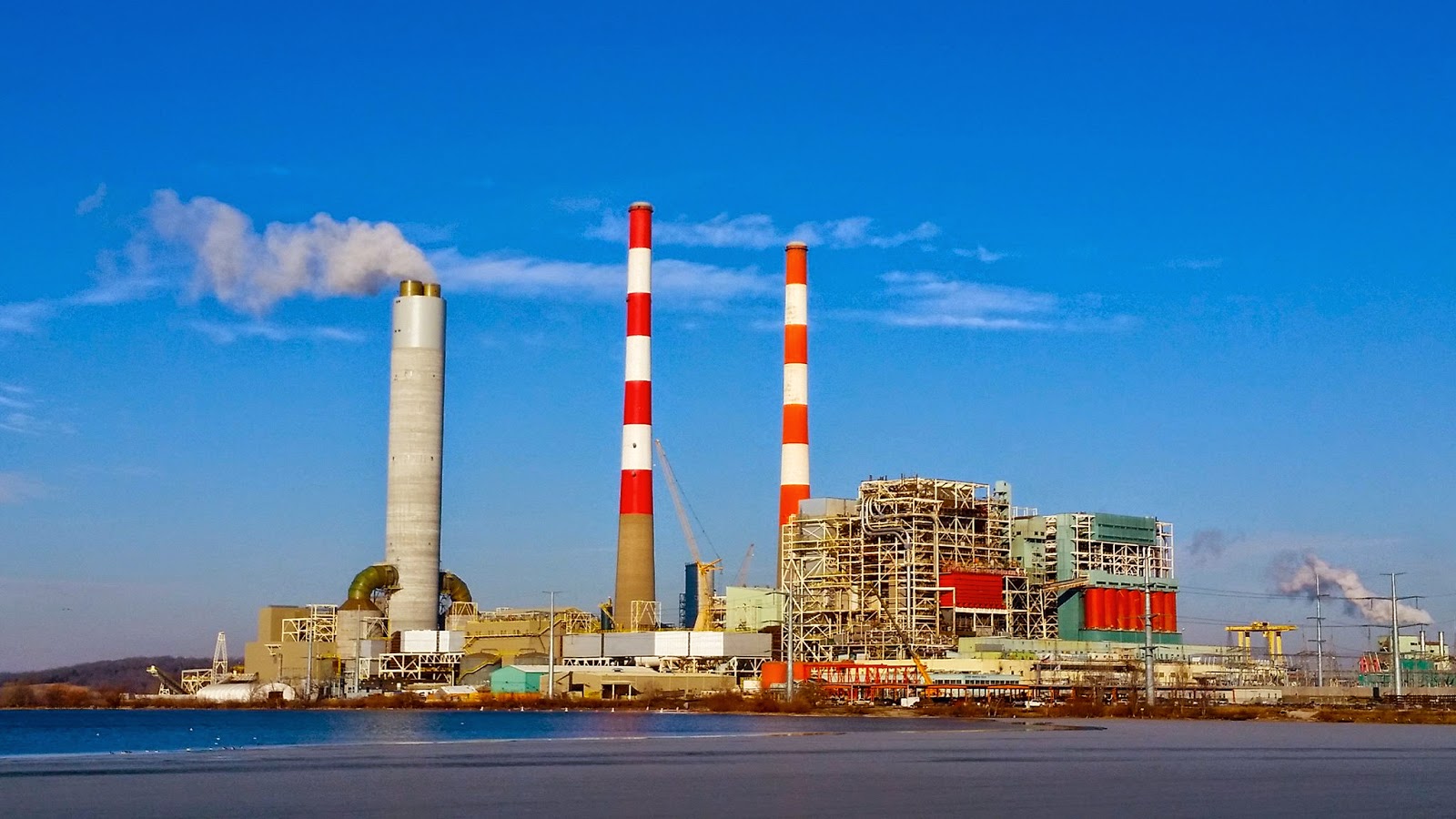
La Cygne Power Plant, situated in Linn County, Kansas, holds a pivotal position in the regional energy landscape. Commissioned in 1974, this coal-fired power plant boasts a capacity of 1,566 megawatts (MW), making it one of the largest power plants in the state.
The plant’s strategic location, close to major transmission lines, enables it to efficiently distribute electricity to homes, businesses, and industries across Kansas and neighboring states. As a cornerstone of the regional energy grid, La Cygne Power Plant plays a crucial role in maintaining grid stability and ensuring reliable power supply.
Fuel Source
La Cygne Power Plant primarily relies on coal as its fuel source. The plant is equipped with advanced emissions control systems, including scrubbers and electrostatic precipitators, to minimize environmental impact and comply with regulatory standards.
Environmental Impact: La Cygne Power Plant
The La Cygne Power Plant, like all coal-fired power plants, releases carbon dioxide (CO2) and other greenhouse gases into the atmosphere during electricity generation. These emissions contribute to climate change, which has wide-ranging environmental and societal impacts.
Recognizing its environmental responsibility, the plant has implemented several measures to reduce its environmental footprint. These include:
Emission Control Technologies
- Flue Gas Desulfurization (FGD) System: This system removes sulfur dioxide (SO2) from the exhaust gases, reducing acid rain and improving air quality.
- Selective Catalytic Reduction (SCR) System: This system reduces nitrogen oxides (NOx) emissions, which contribute to smog and respiratory problems.
- Fabric Filter Baghouse: This system captures particulate matter (PM) from the exhaust gases, improving air quality and reducing visibility impairment.
These technologies have significantly reduced the plant’s emissions, bringing them into compliance with environmental regulations and minimizing its environmental impact.
Economic Significance

La Cygne Power Plant is a significant economic driver for the local community and the surrounding region. It contributes to the local economy through employment opportunities, tax revenue, and by ensuring a reliable and affordable energy supply.
The plant provides direct employment to approximately 150 people, with additional indirect employment opportunities created in the supply chain and related industries. These jobs contribute to the local economy by providing stable incomes and supporting local businesses.
Tax Revenue
La Cygne Power Plant is a major source of tax revenue for Linn County, Kansas. The plant pays property taxes, sales taxes, and other local taxes, which contribute to funding essential public services such as education, healthcare, and infrastructure.
Energy Prices and Reliability, La cygne power plant
La Cygne Power Plant plays a crucial role in ensuring a reliable and affordable energy supply for the region. The plant provides baseload power, which is essential for maintaining grid stability and meeting peak demand. By providing a consistent and reliable source of electricity, the plant helps to keep energy prices stable and affordable for consumers.