Do plants bring bugs? This intriguing question sets the stage for an exploration into the fascinating relationship between the plant kingdom and the insect world. From the vibrant colors of nectar-producing flowers that beckon pollinators to the intricate structures that deter herbivores, plants have evolved a myriad of strategies to interact with bugs. Join us as we delve into the captivating world of plant-bug interactions, where science and storytelling intertwine.
As we unravel the intricate connections between plants and bugs, we’ll uncover the remarkable adaptations that have shaped their coevolution. We’ll discover how plant characteristics, such as shape, color, and scent, influence bug attraction. We’ll explore the concept of companion planting and discuss how specific plant combinations can repel or attract bugs. And we’ll delve into the fascinating role of beneficial insects in controlling pests and enhancing plant health.
Impact of Plant Species on Bug Attraction
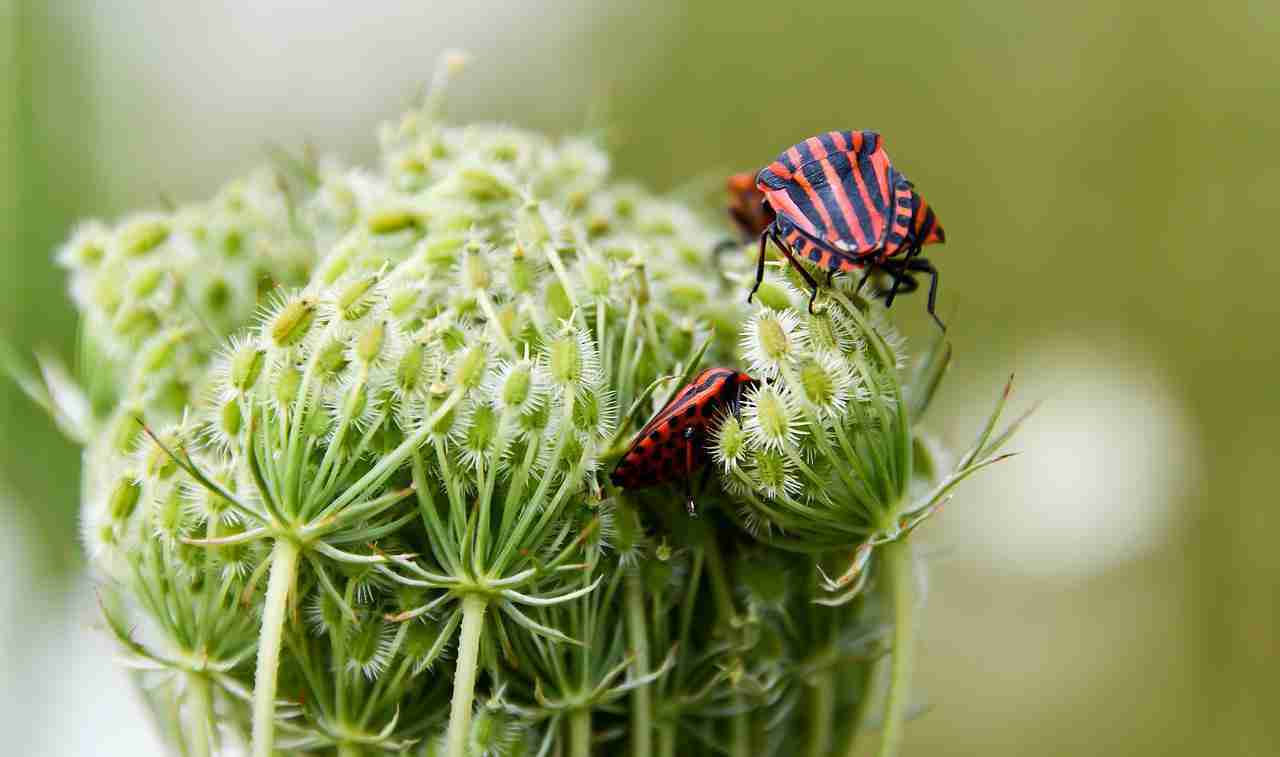
Plant species play a crucial role in determining the types of bugs they attract. Certain plant characteristics, such as shape, color, and scent, act as cues that attract specific bugs.
Nectar-producing flowers, for example, attract pollinators like bees and butterflies. The sweet nectar serves as a food source for these insects, and the bright colors and distinctive shapes of the flowers guide them towards the nectar.
Shape and Size
The shape and size of plants can influence the types of bugs they attract. For instance, plants with large, flat leaves, like hostas, provide shelter and moisture for slugs and snails. Conversely, plants with spiky or hairy leaves, such as roses, deter certain insects from feeding on them.
Color
The color of plants also plays a role in bug attraction. Yellow and white flowers, for example, tend to attract butterflies and moths, while blue and purple flowers are more attractive to bees. This is because insects perceive colors differently than humans, and certain colors may signal the presence of nectar or pollen.
Scent
The scent of plants is a powerful attractant for many bugs. Fragrant flowers, such as lavender and jasmine, release volatile compounds that attract pollinators from afar. Conversely, certain plants, like marigolds, produce scents that repel insects, making them useful for pest control in gardens.
Bug Management in Plant Environments
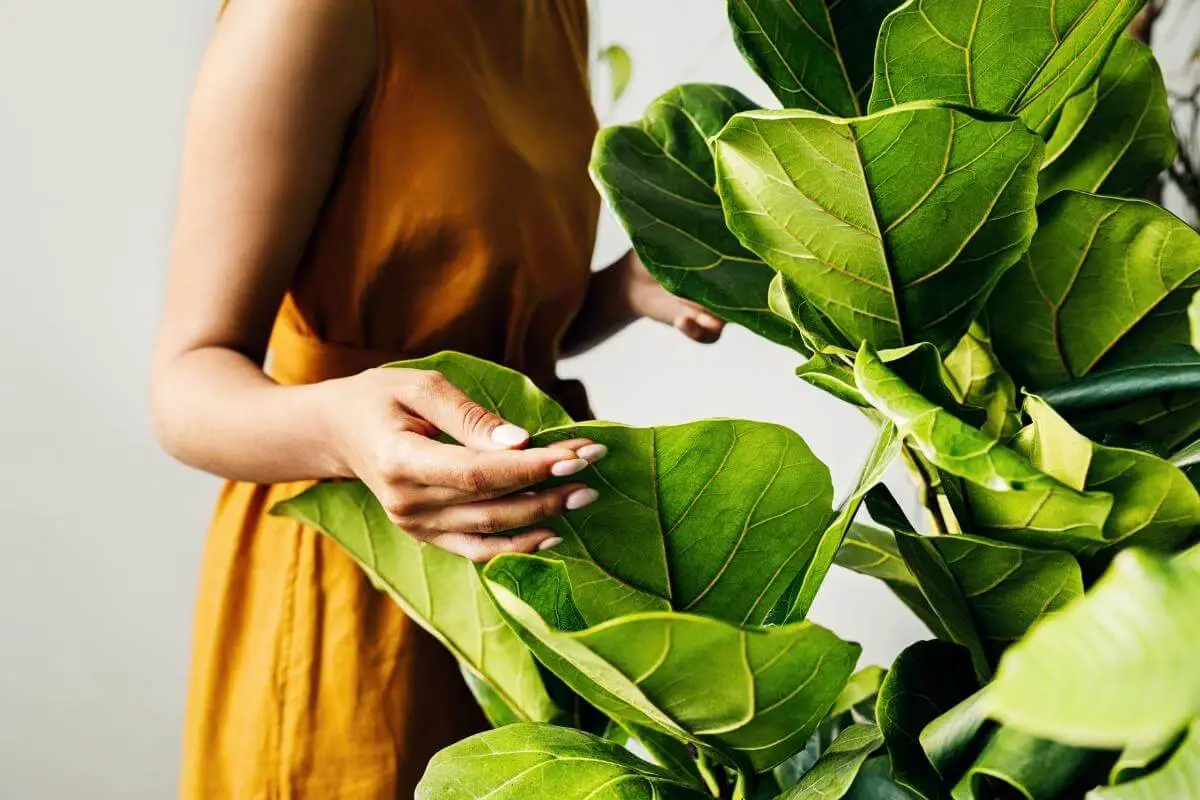
Incorporating plants into your environment can play a significant role in managing bug populations. By understanding the specific preferences and interactions between plants and insects, you can implement strategies to repel or attract bugs in desired areas.
Companion Planting
Companion planting involves strategically pairing different plant species to enhance their growth, deter pests, or attract beneficial insects. Certain plant combinations can release scents or chemicals that repel specific bugs, while others create a favorable environment for insects that prey on pests.
- Repellent Combinations: Marigolds, lavender, and basil emit strong scents that deter mosquitoes, flies, and aphids. Planting these species around areas where you want to minimize bug presence can be effective.
- Attractive Combinations: Planting flowers like zinnias, sunflowers, and dill attracts beneficial insects such as ladybugs, lacewings, and parasitic wasps, which feed on common garden pests.
Beneficial Insects
Encouraging the presence of beneficial insects is a natural and effective way to control pests and enhance plant health. These insects, such as ladybugs, lacewings, and parasitic wasps, prey on harmful bugs and contribute to a balanced ecosystem.
- Provide Habitat: Planting a variety of flowers and providing water sources can attract and support beneficial insects.
- Avoid Insecticides: Chemical insecticides can indiscriminately kill both beneficial and harmful insects, disrupting the natural balance.
Plant Adaptations for Bug Interactions: Do Plants Bring Bugs
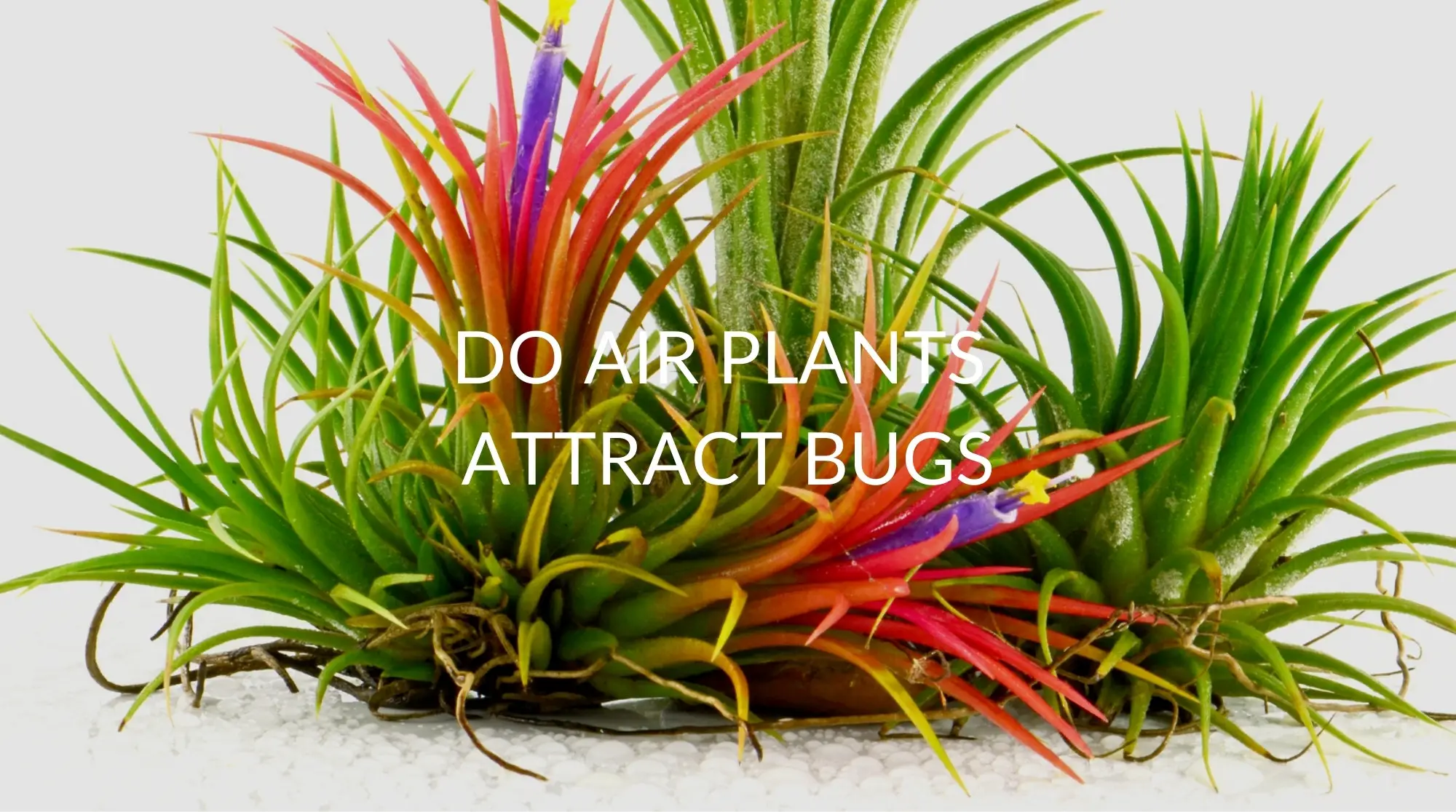
Plants have evolved a wide range of adaptations to interact with bugs. These adaptations include structures that attract pollinators or deter herbivores, as well as chemicals that mediate interactions with bugs.
One common adaptation is the production of nectar. Nectar is a sugary liquid that is produced by flowers to attract pollinators. Pollinators, such as bees and butterflies, are essential for the reproduction of plants. They transfer pollen from the male part of the flower to the female part, allowing the plant to produce seeds.
Structural Adaptations
Plants have also evolved a variety of structural adaptations to deter herbivores. These adaptations include thorns, spines, and trichomes. Thorns and spines are sharp projections that can deter herbivores from eating the plant. Trichomes are small hairs that can irritate the mouthparts of herbivores.
Chemical Adaptations, Do plants bring bugs
In addition to structural adaptations, plants also produce a variety of chemicals that can mediate interactions with bugs. These chemicals can attract or repel bugs, or they can interfere with their feeding or reproduction. For example, some plants produce chemicals that attract predatory insects, which can help to control populations of herbivores.