Behold the giant fly trap plant, a botanical marvel that captivates with its extraordinary ability to ensnare and digest insects. Its intricate trapping mechanism, fascinating evolutionary history, and ecological significance make it a subject of awe and scientific inquiry.
This extraordinary plant boasts leaves adorned with sensitive hairs that trigger a rapid closure upon contact, trapping unsuspecting prey. Its digestive enzymes then break down the insects, providing the plant with essential nutrients.
Giant Fly Trap Plant

Characteristics
- The giant fly trap plant (Sarracenia leucophylla) is a carnivorous plant that grows in the southeastern United States.
- It is the largest of the fly trap plants, with leaves that can grow up to 3 feet long.
- The leaves are shaped like trumpets, with a lid that covers the opening.
- The inside of the leaves is lined with downward-pointing hairs that prevent insects from escaping.
- When an insect lands on the lid, it triggers tiny hairs that cause the lid to snap shut.
- The insect is then trapped inside the leaf, where it is digested by enzymes.
Taxonomy, Giant fly trap plant
- The giant fly trap plant belongs to the genus Sarracenia, which is a group of carnivorous plants that are native to North America.
- The genus Sarracenia is divided into two subgenera: Sarracenia and Psittacinae.
- The giant fly trap plant belongs to the subgenus Sarracenia.
- The giant fly trap plant is closely related to the common fly trap plant (Sarracenia purpurea), but it is larger and has a different leaf shape.
Trapping Mechanisms and Prey Capture
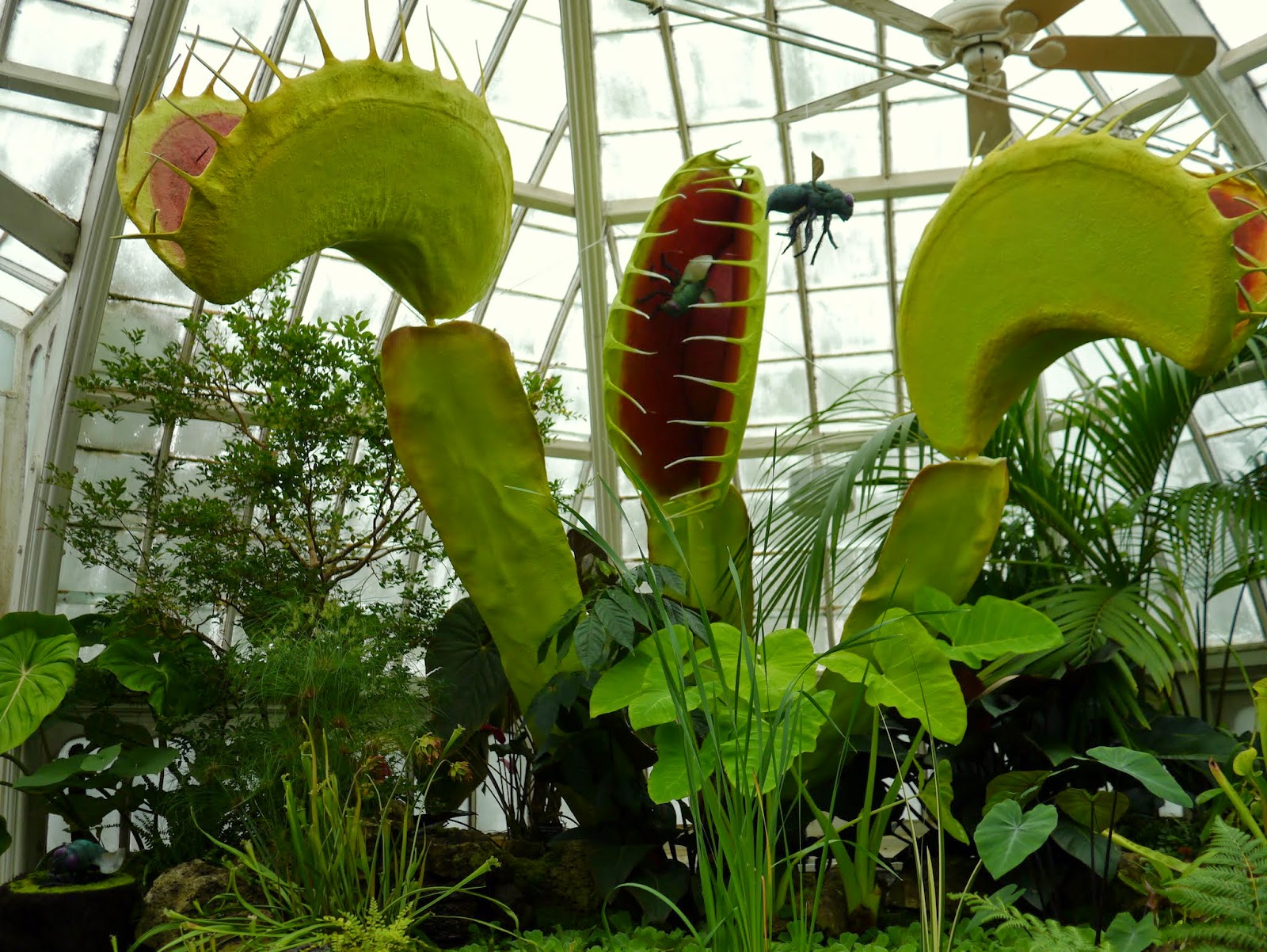
The giant fly trap plant exhibits an intricate trapping mechanism that enables it to capture and digest insects. This mechanism involves a combination of alluring scents, sensitive trigger hairs, and a digestive system within the plant’s modified leaves.
The plant attracts insects using a sweet nectar-like scent produced by glands on the inner surface of its leaves. Once an insect lands on the leaf, it comes into contact with sensitive trigger hairs that line the leaf’s margins. When multiple trigger hairs are stimulated in rapid succession, the leaf snaps shut within a fraction of a second, trapping the insect inside.
Digestive Enzymes and Digestion Process
The trapped insect is then subjected to a process of digestion that can take several days. The plant secretes digestive enzymes that break down the insect’s body into a nutrient-rich liquid. This liquid is then absorbed by the plant through specialized structures called trichomes, which are small, hair-like projections that cover the leaf’s surface.
The digestive process is facilitated by a variety of enzymes, including proteases, lipases, and chitinases. Proteases break down proteins, lipases break down fats, and chitinases break down the chitinous exoskeleton of the insect. The entire digestion process can take anywhere from a few days to several weeks, depending on the size and type of insect captured.
Ecological Importance and Conservation

The giant fly trap plant plays a crucial role in its ecosystem. As a carnivorous plant, it supplements its nutrient intake by trapping and digesting insects. This predation helps control insect populations, preventing them from becoming overly abundant and potentially damaging to the ecosystem.
Additionally, the plant’s large leaves provide shelter and nesting sites for various small animals, such as frogs, lizards, and insects. The plant’s ability to trap and kill insects also benefits other organisms, as the decaying insect matter provides nutrients to the soil.
Threats to Survival
The giant fly trap plant faces several threats to its survival. Habitat loss due to deforestation and urbanization is a significant concern, as the plant requires specific environmental conditions to thrive. Climate change is also a threat, as changes in temperature and precipitation patterns can disrupt the plant’s growth and reproductive cycles.
Overcollection for horticultural purposes is another threat to the plant’s survival. The plant’s unique and fascinating appearance has made it a popular collector’s item, leading to illegal harvesting from its natural habitat.
Conservation Efforts
Conservation efforts are underway to protect the giant fly trap plant and its habitat. These efforts include habitat restoration, captive breeding programs, and public education campaigns. The plant is also listed as an endangered species in several countries, which provides legal protection against illegal harvesting.
Educational and Research Uses
The giant fly trap plant is a valuable tool for education and research. Its unique trapping mechanisms and carnivorous nature provide insights into the fascinating world of plant-animal interactions. The plant is often used in educational programs to teach students about ecology, biodiversity, and the importance of conservation.
In research, the plant has been studied to understand the evolution of carnivory in plants. Scientists have also investigated the plant’s digestive enzymes and trapping mechanisms, which could have potential applications in biotechnology and medicine.