
Embark on a botanical adventure as we delve into the captivating world of border plants zone 9, where drought tolerance and aesthetic appeal intertwine seamlessly. In this captivating guide, we’ll explore the unique climate and soil conditions that shape plant selection, unveil a curated list of thriving border plants, and uncover design secrets to create borders that are both functional and visually stunning.
From vibrant blooms to architectural foliage, border plants zone 9 offer a diverse palette to paint your garden’s edge. Prepare to be inspired as we uncover the secrets to creating borders that thrive in the Mediterranean climate, transforming your outdoor space into a sanctuary of beauty and tranquility.
Border Plants Zone 9

Climate and Soil Conditions
Zone 9 experiences a Mediterranean climate characterized by warm, dry summers and mild, wet winters. The average temperature range is between 40-60°F (4-16°C) in winter and 70-90°F (21-32°C) in summer. This unique climate influences the selection of border plants that can tolerate both drought and occasional frost.
The soil in Zone 9 is typically well-drained and slightly alkaline. To enhance soil fertility and moisture retention, amendments such as compost, manure, or peat moss can be incorporated. Mulching around border plants helps regulate soil temperature, suppress weeds, and retain moisture.
Recommended Border Plants for Zone 9
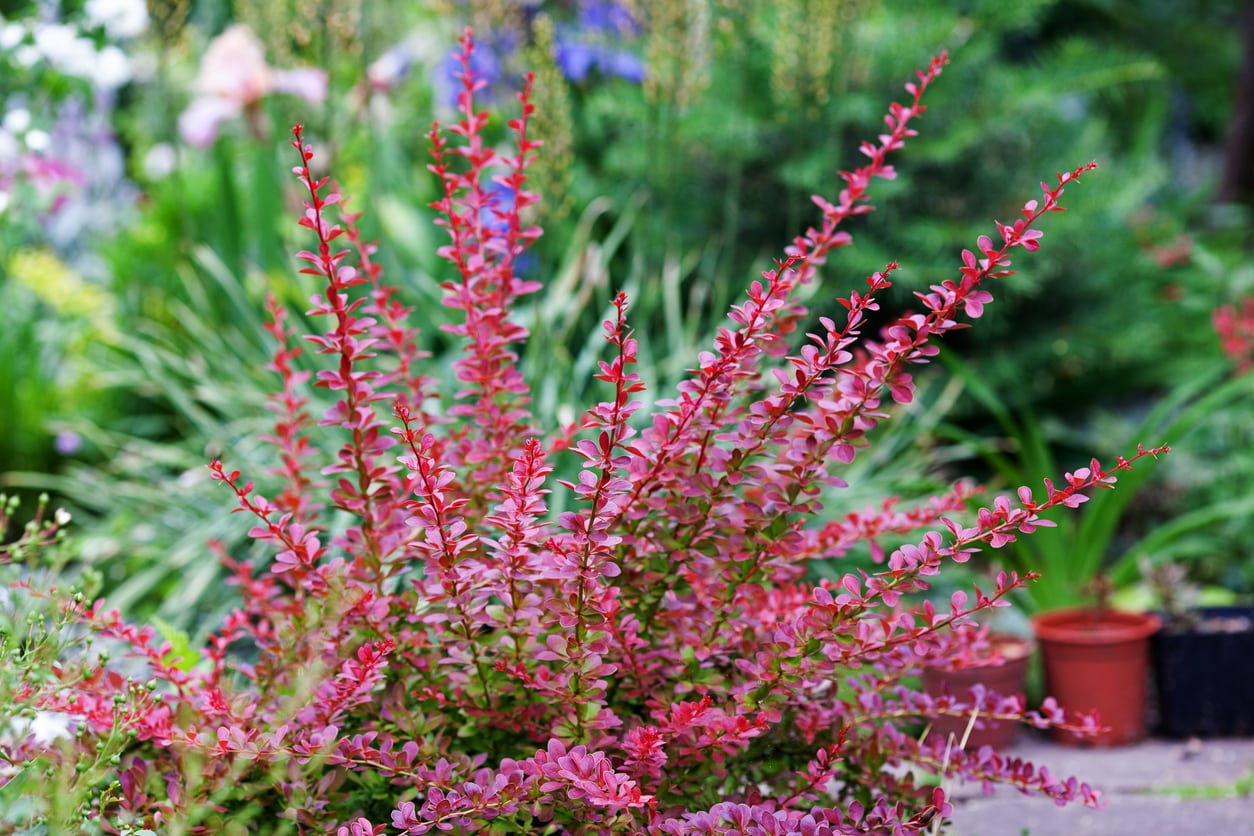
Zone 9 gardeners are fortunate to have a wide range of drought-tolerant border plants to choose from. These plants are not only beautiful, but they are also well-adapted to the hot, dry summers and mild winters of this region. When selecting border plants for Zone 9, it is important to consider the height, texture, and bloom time of the plants to create a visually appealing and dynamic border.
Here are some of the best drought-tolerant border plants for Zone 9:
Low-Growing Plants, Border plants zone 9
- Trailing lantana (Lantana montevidensis) is a low-growing, spreading plant that produces masses of small, colorful flowers. It is a heat- and drought-tolerant plant that is perfect for filling in gaps in the border.
- Dwarf yaupon holly (Ilex vomitoria ‘Nana’) is a compact, evergreen shrub that is perfect for creating a low hedge or border. It is a slow-growing plant that is easy to care for.
- Firecracker plant (Russelia equisetiformis) is a fast-growing, trailing plant that produces bright red flowers. It is a heat- and drought-tolerant plant that is perfect for adding a splash of color to the border.
Border Plant Design Considerations

Creating a visually appealing and functional border requires careful planning and consideration. The following guidelines will assist you in designing a stunning border that meets your specific needs and enhances the overall landscape.
To ensure a harmonious and visually appealing border, it is crucial to consider the plant height, bloom time, and color when selecting plants. A well-designed border should offer a succession of blooms throughout the year, creating a dynamic and ever-changing display. The table below provides a framework for organizing your plant choices based on these key factors:
| Plant Height | Bloom Time | Color |
|---|---|---|
| Low-growing (under 12 inches) | Spring, summer, fall | Blues, purples, pinks, whites |
| Medium-growing (12-24 inches) | Spring, summer, fall | Yellows, oranges, reds, purples |
| Tall-growing (over 24 inches) | Summer, fall | Blues, purples, whites, greens |
Companion planting is a technique that involves strategically placing different plant species together to maximize space and enhance the overall aesthetics of the border. This approach offers several benefits, including:
- Increased plant health and vigor due to improved soil conditions and reduced competition for nutrients and water.
- Enhanced pest and disease resistance as companion plants can act as natural repellents or attract beneficial insects.
- Extended bloom periods by combining plants with different flowering times, ensuring a continuous display of color throughout the year.
To incorporate vertical elements and create focal points within the border design, consider using:
- Trellises or arbors: These structures provide support for climbing plants, adding height and visual interest to the border.
- Evergreen shrubs or trees: These plants provide year-round structure and can serve as a backdrop for other border plants.
- Focal point plants: Choose plants with unique foliage, striking flowers, or unusual forms to create a sense of drama and draw the eye.
