
The extra large ZZ plant, renowned for its remarkable size and resilience, offers a unique blend of architectural beauty and effortless maintenance. Discover the captivating characteristics, optimal care, and versatile interior design applications of this extraordinary houseplant.
With its striking silhouette and adaptability to various environments, the extra large ZZ plant has become a favorite among plant enthusiasts and interior designers alike.
Plant Characteristics and Care
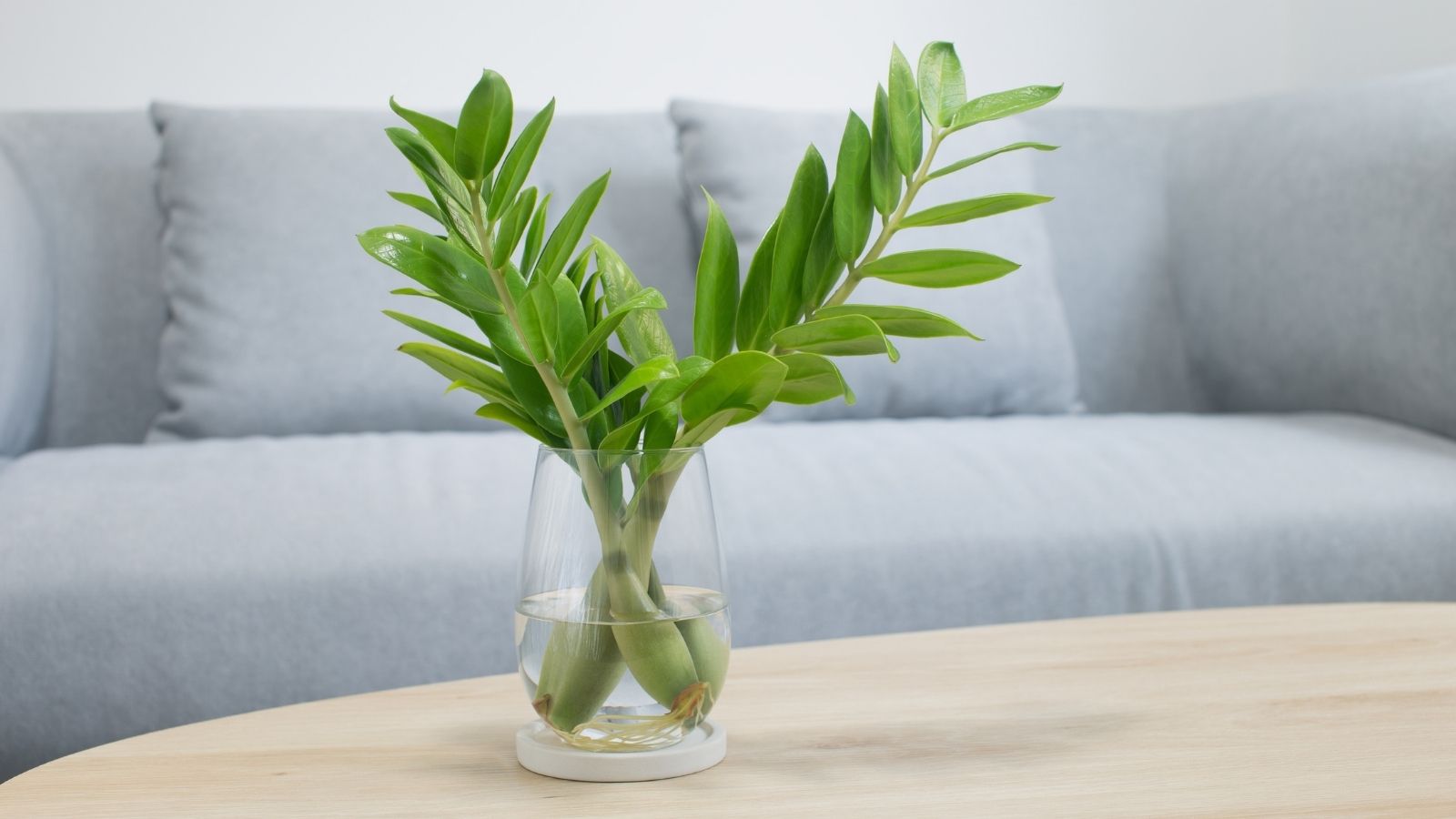
Extra large ZZ plants, scientifically known as Zamioculcas zamiifolia, are captivating indoor plants renowned for their striking architectural form and remarkable resilience. These plants exhibit unique features and growth patterns that set them apart from other houseplants.
ZZ plants are characterized by their glossy, dark green, and spear-shaped leaves that emerge from thick, succulent stems. The leaves are arranged in a symmetrical, upright fashion, creating an elegant and stately appearance. ZZ plants can reach impressive heights, often exceeding 3 feet (0.9 meters) indoors. Their slow growth rate and adaptability to various conditions make them ideal for both novice and experienced plant enthusiasts.
Lighting
ZZ plants thrive in bright, indirect light but can tolerate low-light conditions. Direct sunlight should be avoided, as it can scorch the leaves and cause them to turn yellow.
Watering
ZZ plants are drought-tolerant and do not require frequent watering. Allow the soil to dry out completely between waterings, and avoid overwatering, as this can lead to root rot. During the growing season (spring and summer), water the plant every 2-3 weeks. In the fall and winter, reduce watering to once a month or even less.
Soil
ZZ plants prefer well-draining soil. A mixture of potting soil, perlite, and peat moss provides optimal drainage and aeration for their roots. Ensure the pot has drainage holes to prevent waterlogging.
Common Problems
ZZ plants are generally low-maintenance, but they can occasionally encounter problems. These include:
- Yellowing leaves: Overwatering or nutrient deficiency can cause yellowing leaves. Adjust watering frequency and fertilize the plant monthly during the growing season.
- Brown leaf tips: Low humidity or underwatering can lead to brown leaf tips. Increase humidity by misting the plant or using a humidifier. Water the plant more frequently.
- Root rot: Overwatering can cause root rot. Allow the soil to dry out completely between waterings and repot the plant in fresh soil if necessary.
Interior Design Applications: Extra Large Zz Plant

The extra large ZZ plant, with its architectural form and lush foliage, makes a striking statement in any interior design scheme. Its versatility allows it to complement a wide range of styles, from modern to traditional.
When selecting an extra large ZZ plant for your space, consider the overall size of the room and the desired impact. In spacious living rooms or entryways, a towering ZZ plant can serve as a dramatic focal point. For smaller spaces, a more compact variety can add a touch of greenery without overwhelming the room.
Placement Tips, Extra large zz plant
- Near a window: ZZ plants thrive in bright, indirect light. Place them near a north- or east-facing window for optimal growth.
- In a corner: Extra large ZZ plants can create a cozy and inviting atmosphere when placed in a corner. Their height and foliage will fill the space and add depth.
- As a room divider: A row of ZZ plants can be used to create a natural partition between different areas of a room, such as the living room and dining room.
Comparison to Other Houseplants
| Aesthetic Benefit | Extra Large ZZ Plant | Other Popular Houseplants |
|---|---|---|
| Bold foliage: | Yes | Yes (e.g., Monstera, Fiddle-leaf fig) |
| Architectural form: | Yes | No |
| Low maintenance: | Yes | Yes (e.g., Snake plant, Pothos) |
| Air purification: | Yes | Yes (e.g., Peace lily, Spider plant) |
Propagation and Repotting
Propagating and repotting extra large ZZ plants are crucial for maintaining their health and longevity. This guide will delve into the best methods for propagation, including stem cuttings and division, and provide a step-by-step approach to repotting these unique plants.
Propagation
ZZ plants can be propagated through two primary methods:
- Stem Cuttings: Select a healthy stem with at least two nodes. Remove the lower leaves and insert the stem into a well-draining potting mix. Keep the soil moist and provide bright, indirect light.
- Division: Carefully divide the root ball of an established ZZ plant into smaller sections, each with at least one stem and roots. Replant the divisions into separate pots with fresh potting mix.
Repotting
Repotting extra large ZZ plants is essential to provide adequate space for root growth and prevent root rot. Here’s a step-by-step guide:
- Choose a Pot: Select a pot that is slightly larger than the current one, with drainage holes to prevent waterlogging.
- Prepare the Potting Mix: Use a well-draining potting mix specifically formulated for succulents or cacti.
- Remove the Plant: Carefully remove the ZZ plant from its current pot, gently loosening any tightly bound roots.
- Inspect the Roots: Examine the roots for any signs of damage or rot. Remove any damaged or unhealthy roots.
- Plant the ZZ: Place the ZZ plant in the new pot and fill the remaining space with potting mix, gently firming it around the base of the plant.
- Water and Fertilize: Water the ZZ plant thoroughly after repotting. Fertilize lightly with a balanced fertilizer every few months during the growing season.
The optimal time for propagation and repotting is during the spring or summer when the plant is actively growing.
