Deer nets for plants offer a humane and effective solution to protect your precious greenery from hungry deer. These nets create a physical barrier that deters deer from accessing your plants, ensuring a thriving garden without the worry of unwanted visitors.
From mesh nets to electric fences, there’s a range of deer nets available to suit your specific needs. Understanding the types, considerations, and proper installation techniques will empower you to choose the best deer net for your garden and safeguard your plants.
Types of Deer Nets

Deer nets are essential for protecting plants from deer damage. They come in various types, each with its own advantages and disadvantages.
The three main types of deer nets are mesh nets, nylon nets, and electric nets.
Mesh Nets
- Made of a durable mesh material, typically plastic or nylon.
- Easy to install and remove.
- Relatively inexpensive.
- Effective in deterring deer, but can be damaged by sharp antlers.
Nylon Nets
- Constructed from strong, lightweight nylon material.
- More durable than mesh nets and can withstand sharp antlers.
- More expensive than mesh nets.
- Can be difficult to install and remove.
Electric Nets
- Powered by a battery or solar panel, delivering a mild electric shock when touched.
- Highly effective in deterring deer, even those that are persistent.
- Require more maintenance and can be more expensive than other types of nets.
- Can pose a safety hazard if not properly installed and maintained.
Considerations for Choosing Deer Nets: Deer Nets For Plants
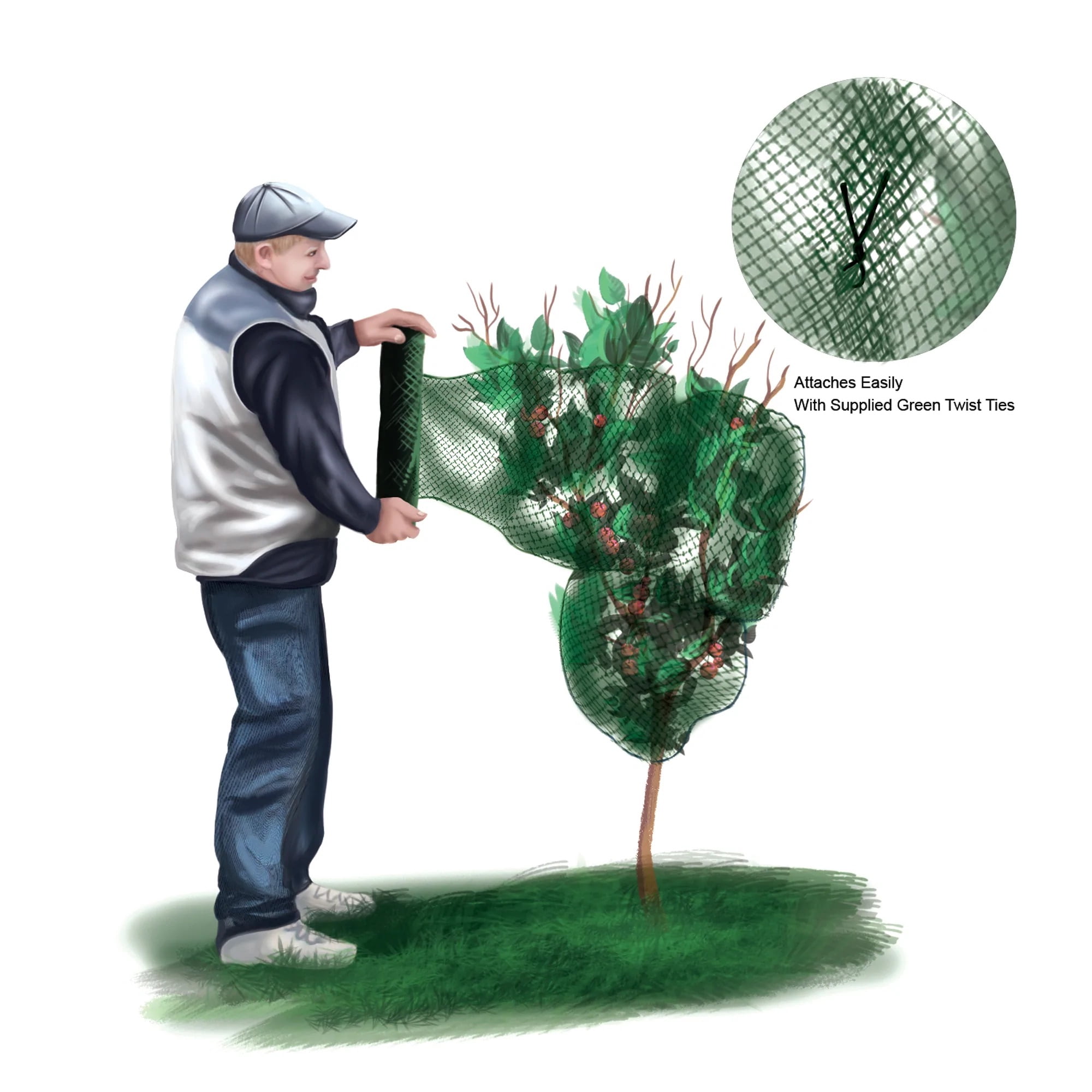
When selecting deer nets for plant protection, several key factors must be considered to ensure effectiveness and practicality:
Size and Shape of the Area to be Protected:
The size and shape of the area to be protected determine the dimensions and configuration of the net required. Accurate measurements of the perimeter and height of the area are crucial to prevent gaps or excess netting.
Species and Number of Deer in the Area:
Different deer species have varying sizes, agility, and feeding habits. The height and strength of the net should be selected accordingly. The number of deer in the area influences the frequency and intensity of pressure on the net, necessitating a more robust and durable material.
Type of Vegetation to be Protected:
The type of vegetation to be protected influences the mesh size and material of the net. Delicate plants require a finer mesh to prevent damage, while sturdier plants can tolerate larger mesh sizes. The material should be resistant to tearing and UV damage to ensure longevity.
Budget and Installation Requirements:
The cost of the net and installation should be considered within the budget. Installation requirements vary depending on the size, shape, and location of the area to be protected. Factors such as terrain, access to electricity, and the need for additional support structures should be taken into account.
Checklist for Deer Net Selection, Deer nets for plants
- Measure the size and shape of the area to be protected.
- Identify the species and number of deer in the area.
- Determine the type of vegetation to be protected.
- Set a budget for the net and installation.
- Consider the installation requirements for the specific area.
By carefully considering these factors, you can choose the most suitable deer net for your plant protection needs, ensuring effective protection while maximizing cost-effectiveness and practicality.
Installation and Maintenance of Deer Nets

Deer nets serve as a physical barrier to protect plants from deer damage. Installing and maintaining these nets effectively is crucial to ensure optimal protection and longevity.
Site Preparation and Measurement
Begin by preparing the installation site. Remove any obstacles, such as rocks or debris, that may interfere with the net’s placement. Measure the area to be protected and determine the required length of netting.
Setting Up Poles or Stakes
Install sturdy poles or stakes around the perimeter of the protected area. The height of the poles should be sufficient to create a barrier high enough to deter deer from jumping over. Space the poles evenly and secure them firmly in the ground using stakes or anchors.
Attaching the Net and Securing It
Unroll the deer net and carefully attach it to the poles or stakes using zip ties, wire, or bungee cords. Ensure the net is taut and free of any gaps or tears. Secure the bottom edge of the net to the ground using stakes or weights to prevent deer from crawling underneath.
Maintenance Requirements
Regular maintenance is essential to keep deer nets effective. Inspect the net regularly for any damage, such as holes or tears. Repair any damage promptly to maintain the integrity of the barrier. Clean the net occasionally to remove dirt, debris, or animal droppings that may accumulate over time.