
Fennel vs dill plant – Fennel vs. dill plant: embark on a culinary and medicinal journey as we delve into the captivating world of these aromatic herbs. From their distinct flavors to their healing properties, this exploration unveils the fascinating similarities and differences between fennel and dill.
Prepare to savor the rich tapestry of culinary delights and medicinal wonders that these herbs offer, as we embark on an immersive exploration of their unique characteristics.
Culinary and Medicinal Uses

Fennel and dill, both belonging to the Apiaceae family, possess distinct culinary and medicinal properties. Their unique flavors and therapeutic effects have made them integral ingredients in various cuisines and traditional remedies.
Culinary Uses
Fennel and dill offer contrasting culinary experiences, enhancing dishes with their distinctive flavors and textures.
| Characteristic | Fennel | Dill |
|---|---|---|
| Flavor | Anise-like, sweet, and slightly bitter | Fresh, herbaceous, and slightly tangy |
| Texture | Crunchy and aromatic | Delicate and feathery |
| Common Dishes | Salads, soups, stews, roasted vegetables, seafood | Salads, dips, sauces, fish dishes, pickles |
Medicinal Properties, Fennel vs dill plant
Beyond their culinary applications, fennel and dill have been traditionally used for their medicinal properties.
Fennel
- Digestive Aid: Fennel seeds and essential oil have been used to relieve indigestion, bloating, and gas.
- Anti-inflammatory: Fennel extract exhibits anti-inflammatory properties, potentially beneficial for conditions like arthritis and asthma.
- Expectorant: Fennel can help clear congestion and mucus from the respiratory tract.
Dill
- Antioxidant: Dill is rich in antioxidants, protecting cells from damage caused by free radicals.
- Antibacterial: Dill essential oil has antibacterial properties, effective against certain bacteria.
- Calming Effect: Dill has been traditionally used to promote relaxation and reduce stress.
Plant Characteristics and Cultivation
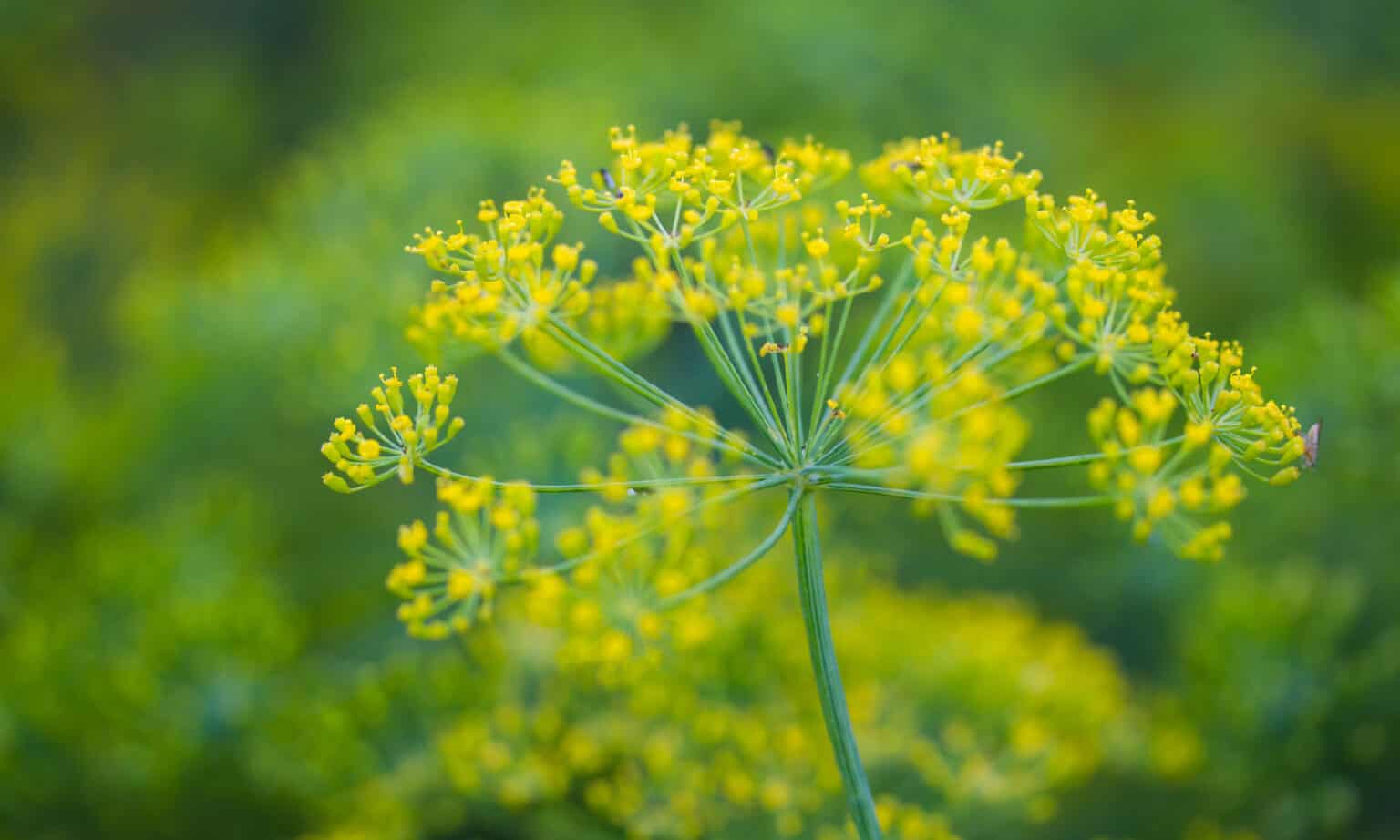
Fennel and dill are two distinct herbs that belong to the Apiaceae family, known for their aromatic leaves and seeds. They share some similarities but also have notable differences in their physical characteristics and cultivation requirements.
Physical Characteristics
The following table compares the key physical characteristics of fennel and dill plants:
| Characteristic | Fennel | Dill |
|---|---|---|
| Height | Up to 6 feet (1.8 meters) | 1-3 feet (0.3-0.9 meters) |
| Leaf Shape | Feathery, finely divided | Fern-like, with broad segments |
| Flower Color | Yellow | Yellow |
Cultivation Requirements
Both fennel and dill prefer well-drained soil, full sun to partial shade, and regular watering. However, there are some specific differences in their cultivation requirements:
- Fennel: Prefers slightly alkaline soil with a pH between 6.5 and 7.5. It is drought-tolerant but benefits from consistent watering during hot, dry weather.
- Dill: Prefers slightly acidic soil with a pH between 6.0 and 6.8. It is more sensitive to drought than fennel and requires regular watering, especially during hot, dry weather.
Nutritional Value and Health Benefits: Fennel Vs Dill Plant
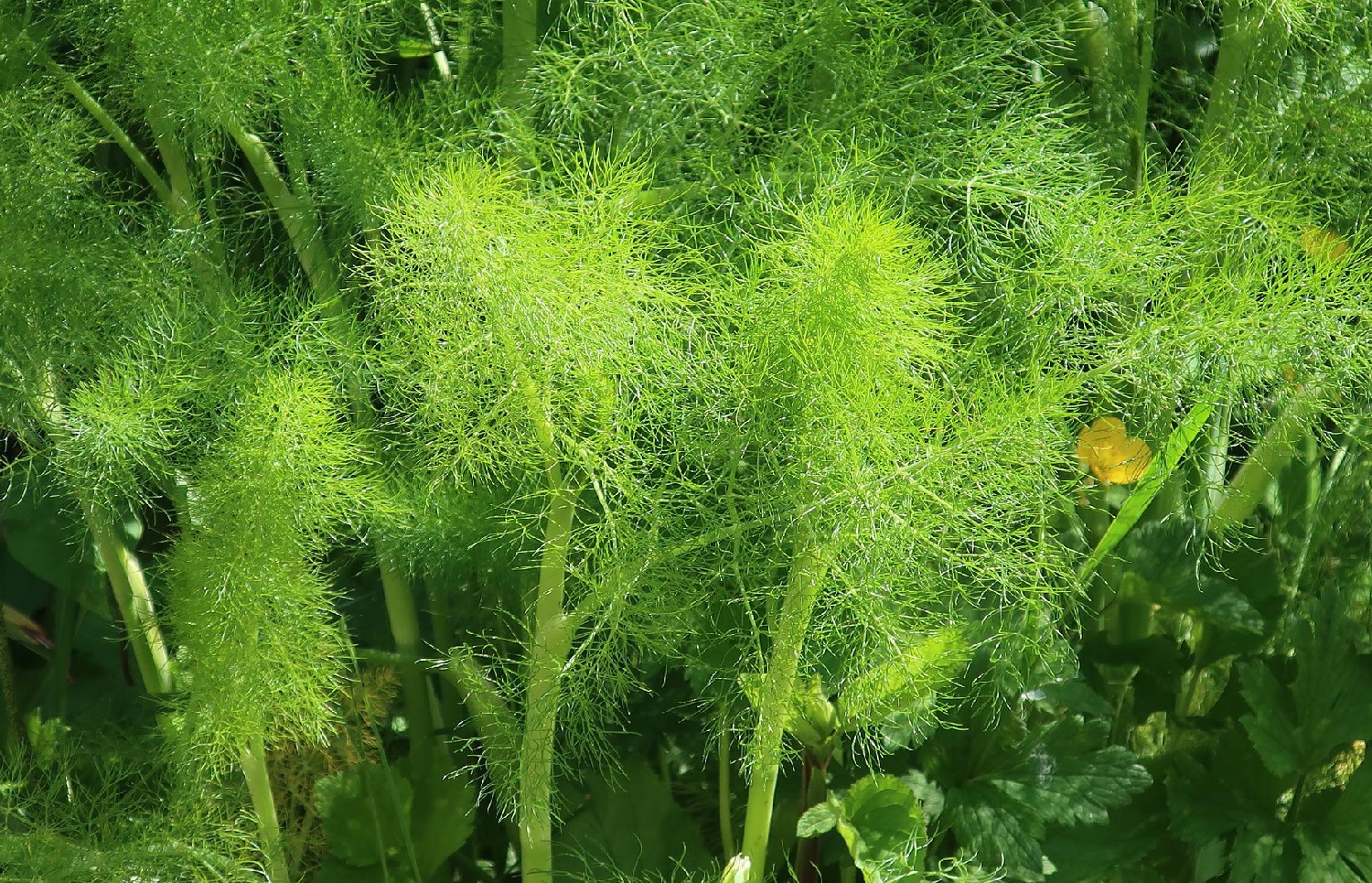
Fennel and dill, both members of the Apiaceae family, offer a rich array of nutrients and therapeutic benefits. Their nutritional profiles and health-promoting properties vary, making each herb a valuable addition to a balanced diet.
The following table compares the nutritional value of fennel and dill, highlighting their vitamin, mineral, and antioxidant content per 100 grams of fresh herb:
| Nutrient | Fennel | Dill |
|---|---|---|
| Calories | 31 | 43 |
| Carbohydrates | 7.0 g | 9.9 g |
| Protein | 1.2 g | 2.5 g |
| Fat | 0.2 g | 0.7 g |
| Fiber | 2.2 g | 2.7 g |
| Vitamin C | 12 mg | 85 mg |
| Vitamin A | 127 IU | 130 IU |
| Vitamin K | 21.2 µg | 164 µg |
| Calcium | 40 mg | 228 mg |
| Iron | 0.6 mg | 1.5 mg |
| Magnesium | 23 mg | 43 mg |
| Potassium | 257 mg | 412 mg |
| Antioxidants | Anethole, fenchone | Carvone, limonene |
Digestive Health
Both fennel and dill have traditionally been used to support digestive health. Fennel contains anethole, a compound known for its antispasmodic properties, which can help alleviate gas, bloating, and indigestion. Additionally, its fiber content aids in digestion and promotes regularity.
Dill, on the other hand, is rich in carvone, a compound that stimulates digestive enzymes and aids in the breakdown of fats. Its antibacterial properties may also help reduce bloating and gas caused by certain bacteria in the digestive tract.
Immune Function
Fennel and dill are both good sources of vitamin C, an essential nutrient for a healthy immune system. Vitamin C supports the production of white blood cells, which fight off infections. Additionally, fennel contains antioxidants such as anethole and fenchone, which have antibacterial and antifungal properties.
Weight Management
Fennel and dill may play a role in weight management due to their low-calorie content and high fiber content. Fiber promotes satiety, reducing hunger and cravings. Additionally, fennel contains a compound called apigenin, which has been shown to have anti-obesity effects in animal studies.
