Unveiling the captivating world of Black Swan Plant n ̊4, this article embarks on an enchanting journey, exploring its distinctive characteristics, therapeutic properties, and cultivation secrets.
From its captivating appearance to its potential medicinal applications, Black Swan Plant n ̊4 emerges as a botanical marvel, inviting us to delve into its captivating story.
Black Swan Plant Description and Characteristics: Black Swan Plant N ̊4

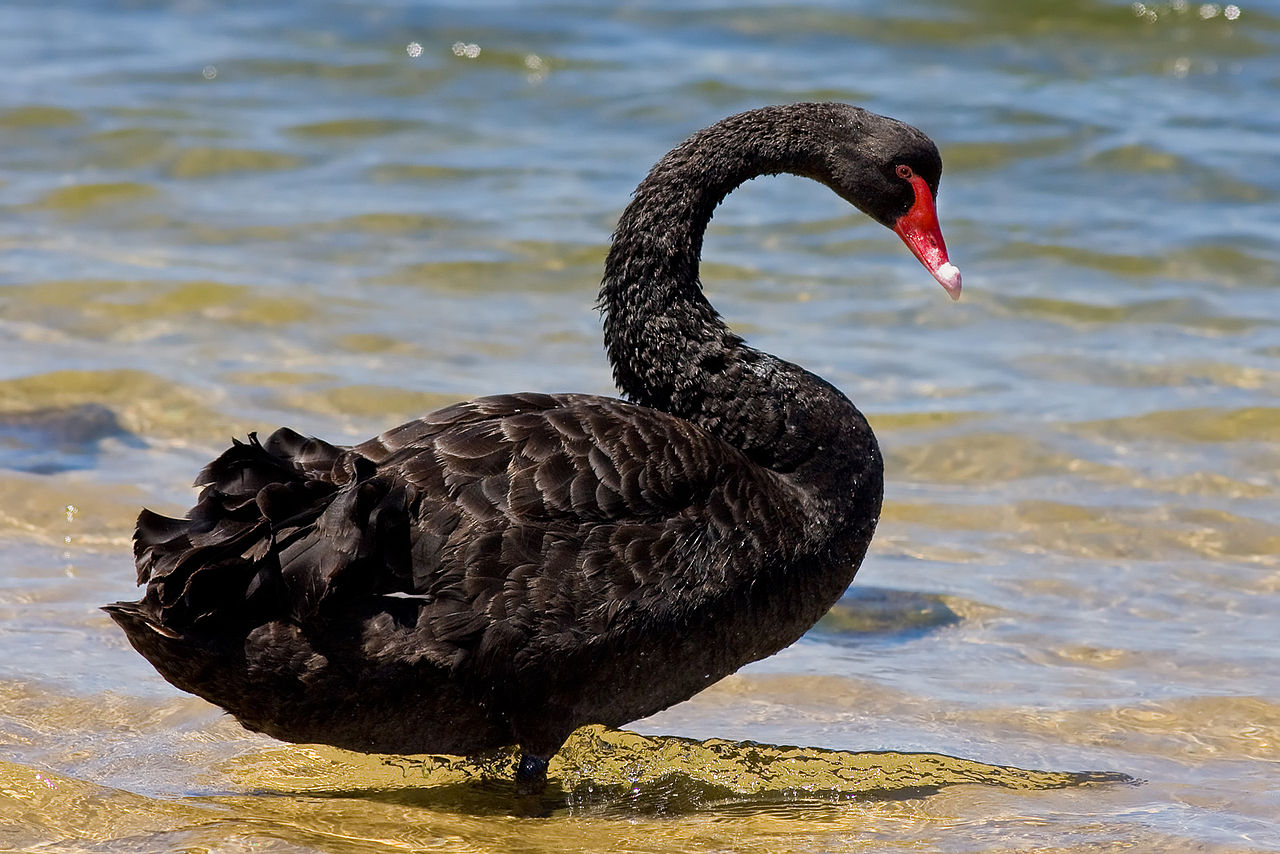
The black swan plant, also known as Cygnus atratus, is a species of swan native to Australia. It is known for its striking black plumage, which sets it apart from other species of swans. The black swan is a large bird, with a wingspan of up to 2 meters. It has a long, slender neck and a distinctive red bill. The black swan is a social bird, and it often forms large flocks. It is found in a variety of habitats, including lakes, rivers, and wetlands.
Physical Features
The black swan is a large bird, with a body length of up to 1.4 meters and a wingspan of up to 2 meters. It has a long, slender neck and a distinctive red bill. The black swan’s plumage is black, with white flight feathers. The black swan’s legs are black, and its feet are webbed.
Habitat
The black swan is found in a variety of habitats, including lakes, rivers, and wetlands. It prefers shallow waters with plenty of vegetation. The black swan is a social bird, and it often forms large flocks. It is found in Australia, New Zealand, and Tasmania.
Black Swan Plant Uses and Benefits
The black swan plant has been traditionally employed in herbal medicine for various ailments. Its therapeutic potential has garnered attention, leading to ongoing research exploring its applications in modern medicine.
In traditional medicine, the black swan plant has been utilized to alleviate conditions such as headaches, stomachaches, and skin ailments. Its purported anti-inflammatory and analgesic properties have made it a popular choice for treating pain and inflammation.
Culinary and Ornamental Uses
Despite its medicinal value, the black swan plant also finds use in culinary and ornamental applications. Its leaves and flowers are edible and can be incorporated into salads, soups, and teas. The plant’s attractive appearance and hardiness make it a popular choice for landscaping and ornamental gardening.
Black Swan Plant Cultivation and Care

Black swan plants are relatively easy to propagate and grow, making them a popular choice for home gardeners. Here are some detailed steps for successful cultivation and care:
Propagation, Black swan plant n ̊4
Black swan plants can be propagated from seed or cuttings. To propagate from seed, sow the seeds in a well-draining potting mix and keep them moist. The seeds will germinate in 1-2 weeks. To propagate from cuttings, take a 4-6 inch cutting from a healthy stem and root it in a glass of water or a potting mix. The cutting will root in 2-3 weeks.
Soil
Black swan plants prefer well-draining soil with a pH of 5.5-6.5. You can use a commercial potting mix or make your own by mixing equal parts peat moss, perlite, and vermiculite.
Light
Black swan plants need bright, indirect light. They can tolerate some direct sunlight, but too much direct sunlight can scorch the leaves.
Water
Black swan plants should be watered regularly, but do not overwater. Allow the soil to dry out slightly between waterings.
Common Pests and Diseases
Black swan plants are susceptible to a few common pests and diseases, including aphids, mealybugs, and spider mites. To prevent these pests, keep the plant clean and free of debris. You can also use insecticidal soap or neem oil to control pests. Black swan plants are also susceptible to root rot, which can be caused by overwatering. To prevent root rot, make sure the plant is planted in well-draining soil and avoid overwatering.
