Step into the realm of IV plant watering bags, where scientific ingenuity meets botanical bliss. This innovative device transforms plant care, promising optimal hydration and unparalleled convenience. Discover the intricate design, remarkable benefits, and practical applications of IV plant watering bags, unlocking a new era of plant health and vitality.
Design and Functionality

An IV plant watering bag is an innovative and practical device designed to provide optimal hydration for plants, particularly in situations where regular watering is challenging or impractical.
The bag is typically made of durable, flexible materials such as polyethylene or PVC, which are resistant to punctures and tears. The material’s flexibility allows the bag to conform to various shapes and sizes of plant containers, ensuring a snug fit and efficient water delivery.
Mechanism of Water Delivery
The IV plant watering bag operates on the principle of gravity-fed irrigation. The bag is filled with water and suspended above the plant container. A thin, adjustable tube extends from the bottom of the bag, allowing water to drip slowly and steadily into the soil.
The rate of water flow can be regulated by adjusting the height of the bag and the length of the tube. By positioning the bag at an appropriate height, the water flow can be controlled to match the specific hydration needs of the plant.
Benefits and Applications: Iv Plant Watering Bag
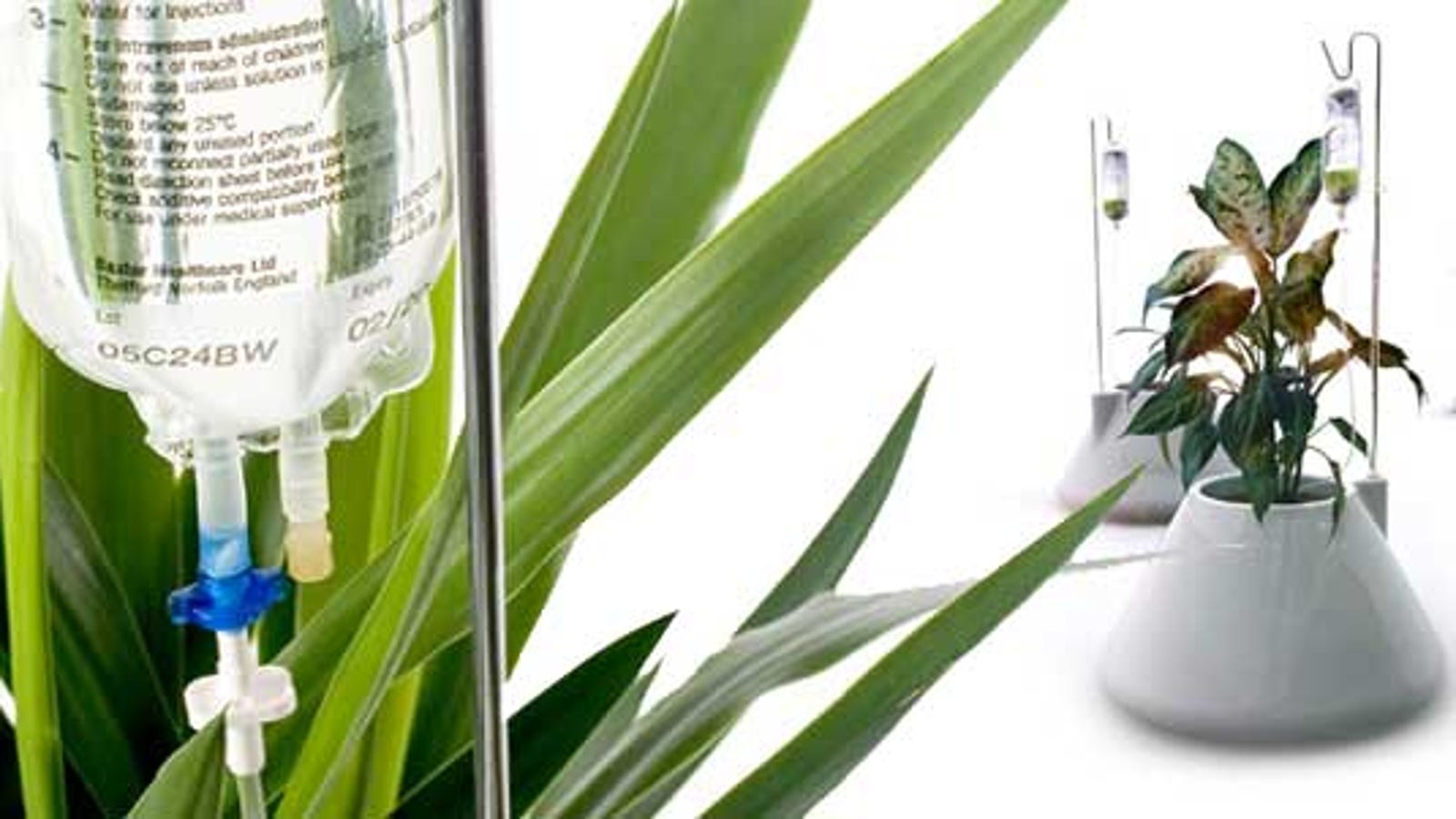
Utilizing an IV plant watering bag offers several advantages over traditional watering methods, including:
- Precise and Controlled Hydration: The slow and steady release of water from the IV bag ensures optimal hydration without overwatering, preventing root rot and other water-related issues.
- Reduced Labor and Maintenance: Unlike manual watering, which requires frequent attention, the IV bag provides sustained hydration, minimizing labor costs and reducing the risk of neglect.
- Enhanced Plant Health: The controlled water delivery promotes healthy root development, nutrient uptake, and overall plant vitality, leading to improved growth and resistance to pests and diseases.
Specific Applications, Iv plant watering bag
IV plant watering bags are particularly beneficial in the following scenarios:
- Extended Vacations or Absences: The sustained hydration provided by the IV bag ensures that plants receive adequate water even when you’re away for extended periods.
- Plants with Specific Water Needs: Some plants, such as orchids and succulents, require specialized watering schedules. IV bags can be adjusted to meet their specific hydration requirements.
- Indoor Plants: In indoor environments, humidity levels can be low, making it challenging to maintain proper soil moisture. IV bags provide consistent hydration, preventing plants from drying out.
- Large Plants: Watering large plants can be laborious and time-consuming. IV bags offer a convenient and efficient way to hydrate these plants, ensuring they receive the necessary moisture.
Usage and Maintenance

Effective utilization and maintenance of an IV plant watering bag require careful setup, appropriate watering practices, and proper maintenance techniques. This section will provide comprehensive guidance on how to use and maintain the bag for optimal performance and longevity.
Setup and Usage
- Bag Placement: Suspend the bag securely above the plant’s soil, ensuring the drip line is positioned near the base of the plant.
- Water Source: Fill the bag with water from a reliable source, such as a filtered tap or rainwater, to prevent clogging or contamination.
- Flow Rate Adjustment: Regulate the flow rate by adjusting the valve on the drip line. Start with a slow flow and gradually increase until the soil is evenly moistened but not waterlogged.
Watering Frequency and Volume
The frequency and volume of watering depend on factors such as plant species, soil type, and environmental conditions. As a general guideline:
- Watering Frequency: Most plants require watering every 2-3 days, but adjust the frequency based on the plant’s specific needs and the rate of water evaporation.
- Watering Volume: Water the soil thoroughly, allowing the excess to drain freely. Avoid overwatering, as this can lead to root rot and other problems.
Maintenance
Proper maintenance is crucial to ensure the bag’s longevity and functionality:
- Cleaning: Periodically clean the bag and drip line with a mild bleach solution to prevent algae growth and clogging.
- Inspection: Regularly inspect the bag for leaks or damage. Repair or replace any faulty components promptly.
- Storage: When not in use, drain the bag completely and store it in a cool, dry place to prevent deterioration.
