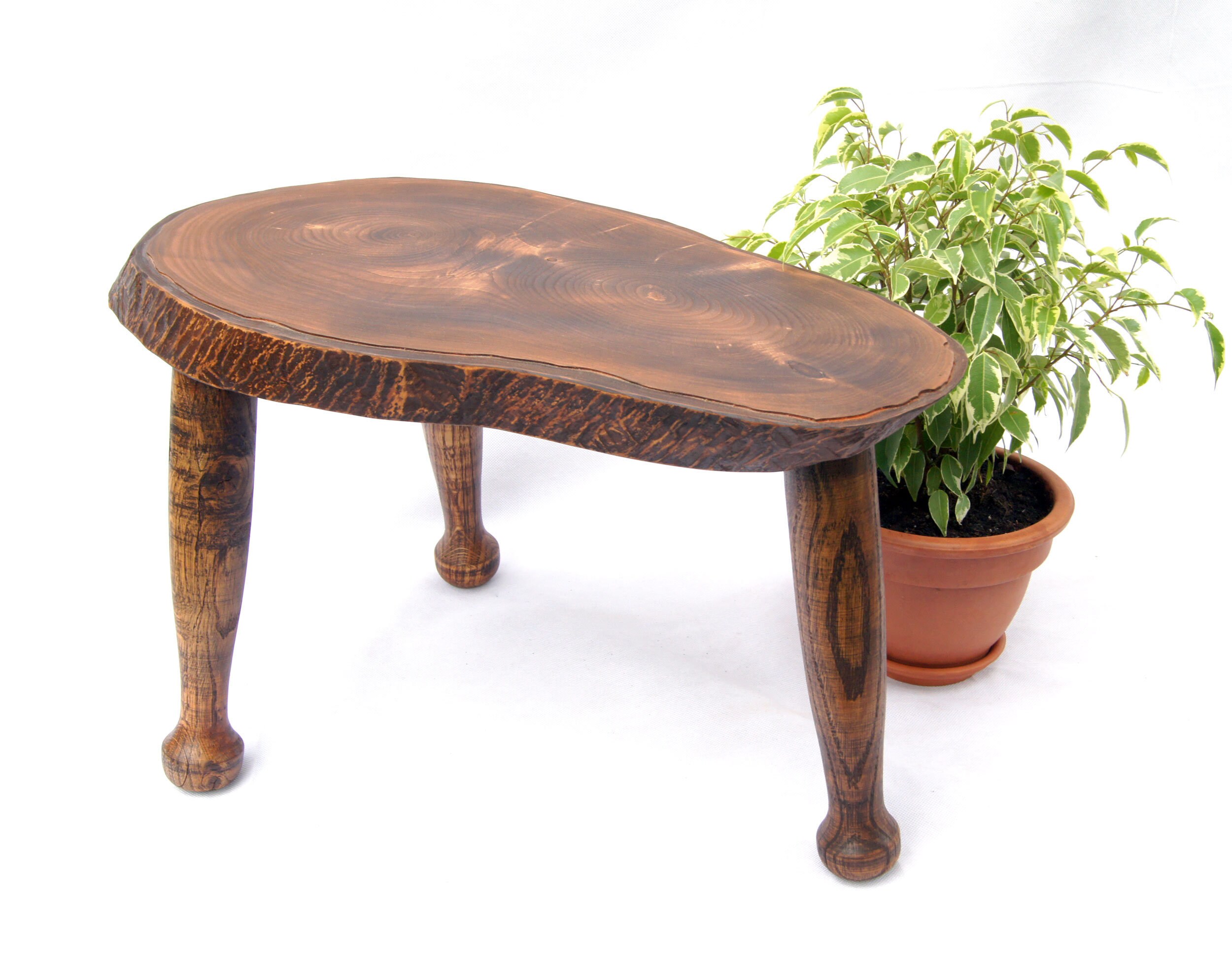
Live edge plant stands, with their captivating fusion of rustic charm and modern elegance, have emerged as a captivating trend in home decor. These stands, crafted from slabs of wood that retain their natural edges, showcase the beauty of nature’s imperfections, creating a striking visual statement in any space.
The allure of live edge plant stands lies in their ability to blend seamlessly with various decor styles, from cozy farmhouse to sleek contemporary. Their organic forms and rich wood grains add warmth and character to any room, while their functional design provides a sturdy and stylish platform for your beloved plants.
Design Elements and Aesthetics: Live Edge Plant Stand

Live edge plant stands are characterized by their unique design that incorporates the natural edge of the wood. This results in a visually appealing piece that showcases the beauty of the wood’s grain and imperfections. The variations in the wood’s texture and color create a one-of-a-kind piece that adds character and warmth to any space.
Live edge plant stands come in a variety of styles, from rustic to modern to industrial. Rustic live edge plant stands often feature rough-hewn edges and a natural finish, while modern live edge plant stands have a more polished look with clean lines and a smooth finish. Industrial live edge plant stands are made from reclaimed wood or metal and have a more rugged look.
Grain Patterns and Imperfections
The natural grain patterns and imperfections in the wood are what make live edge plant stands so visually appealing. These imperfections, such as knots, cracks, and wormholes, add character and depth to the piece. The grain patterns in the wood can also create interesting visual effects, such as swirls, stripes, and waves.
Shape and Size
Live edge plant stands come in a variety of shapes and sizes. The shape of the stand will depend on the shape of the wood used. Some live edge plant stands are long and narrow, while others are short and wide. The size of the stand will depend on the size of the plant that will be placed on it.
Materials and Construction

Live edge plant stands are crafted from a variety of wood species, each offering unique characteristics. The most common types include oak, walnut, and maple.
Oak is renowned for its durability and strength, making it an excellent choice for heavy planters. Its distinctive grain pattern adds a rustic charm to any decor.
Walnut, with its rich, dark color, exudes elegance and sophistication. It is moderately durable and has a fine, straight grain that enhances its visual appeal.
Maple is known for its light color and smooth texture. It is a durable and versatile wood that can complement both modern and traditional styles.
Building a Live Edge Plant Stand
Constructing a live edge plant stand is a rewarding project that can be completed with basic woodworking tools and techniques.
- Select a Live Edge Slab: Choose a slab with a natural edge that complements the desired plant stand design.
- Prepare the Base: Cut four legs from sturdy wood and attach them to the live edge slab using screws or nails.
- Finish the Stand: Sand the stand to smooth any rough edges and apply a sealant or finish to protect the wood.
Functional Considerations

Live edge plant stands come in a variety of sizes and shapes to accommodate different types of plants. Smaller stands are ideal for tabletop displays or holding small plants, while larger stands can accommodate larger plants or multiple plants. The shape of the stand can also affect its functionality. For example, a triangular stand can fit into corners, while a rectangular stand can be placed against a wall.
Proper drainage is essential for live edge plant stands. Excess water can damage the wood and lead to root rot. To ensure proper drainage, choose a stand with holes or slots in the bottom. You can also place a layer of pebbles or gravel in the bottom of the stand to help with drainage.
Live edge plant stands can be incorporated into a variety of home decor styles and room settings. In a rustic setting, a live edge plant stand made from natural wood can complement the natural elements of the room. In a modern setting, a live edge plant stand with a sleek design can add a touch of nature to the space. Live edge plant stands can also be used to create a focal point in a room or to add height to a space.
Drainage, Live edge plant stand
Proper drainage is essential for live edge plant stands to prevent waterlogging and root rot. Here are some tips for ensuring proper drainage:
- Choose a stand with holes or slots in the bottom to allow excess water to drain out.
- Place a layer of pebbles or gravel in the bottom of the stand to help with drainage.
- Avoid overwatering plants. Allow the soil to dry out slightly between waterings.