
Red leaf shade plants are captivating additions to any garden, adding a splash of color and drama to shady areas. From the deep burgundy hues of Heuchera to the fiery scarlet foliage of Japanese maples, these plants offer a wide range of options to create stunning visual effects.
Incorporating red leaf shade plants into your landscape design can transform dull corners into vibrant focal points. Their unique foliage complements green and variegated plants, creating harmonious and eye-catching combinations. Whether you’re looking to add a touch of elegance or create a bold statement, red leaf shade plants offer endless possibilities for creative expression.
Shade Plants with Red Foliage
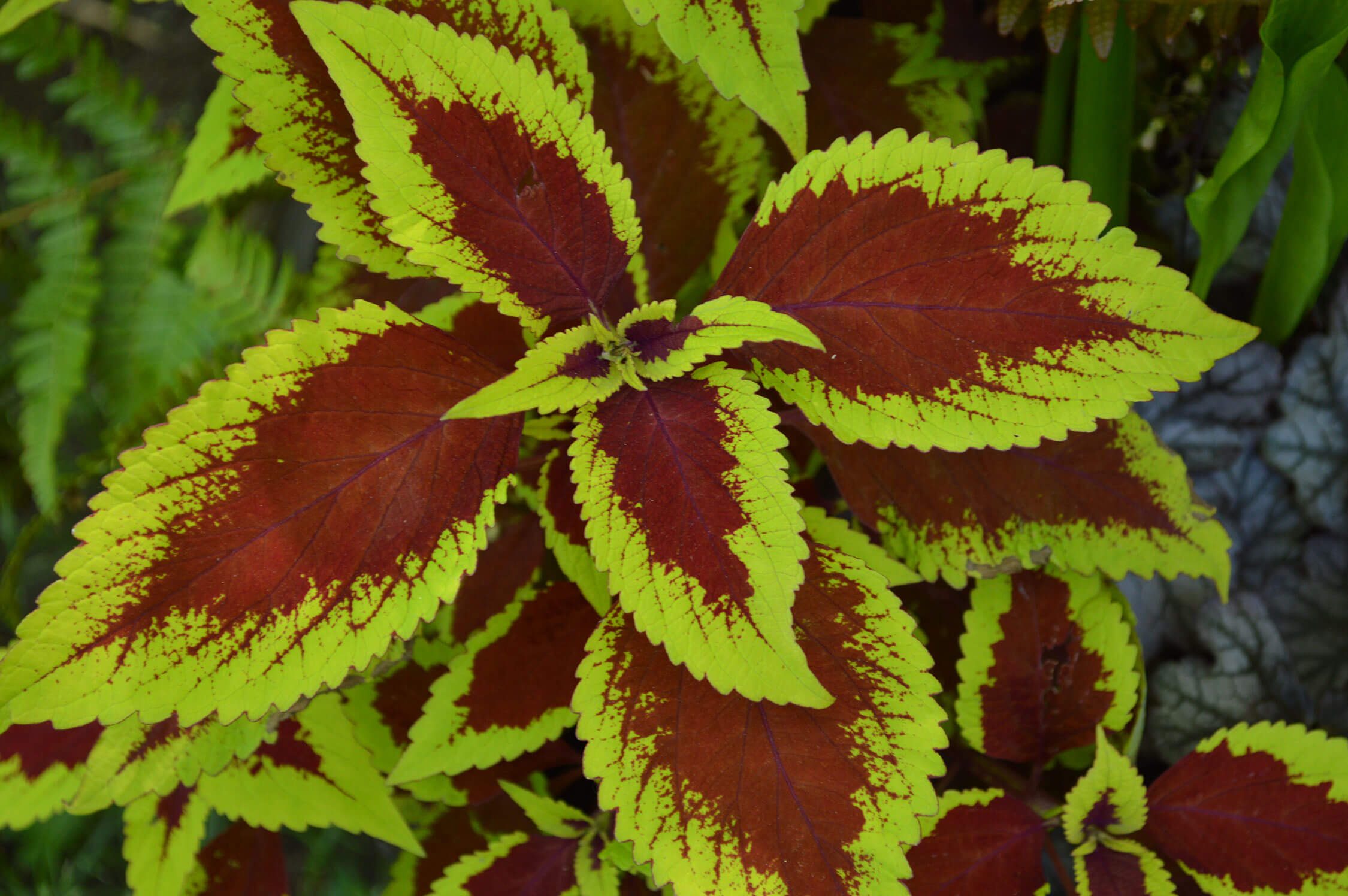
Shade gardens can be transformed into vibrant havens with the addition of plants that boast red foliage. These plants thrive in areas with limited sunlight and add a touch of drama to any landscape. Here is a comprehensive list of shade plants that exhibit red foliage, along with their growth habits, preferred growing conditions, and notable characteristics:
- Red Japanese Maple (Acer palmatum ‘Atropurpureum’): This deciduous tree is known for its stunning, deeply lobed leaves that turn a brilliant shade of red in the fall. It prefers well-drained, acidic soil and partial shade.
- Coral Bells (Heuchera): Coral bells are popular perennials that come in a wide range of varieties, including those with red foliage. They thrive in moist, well-drained soil and partial shade.
- Japanese Painted Fern (Athyrium niponicum ‘Pictum’): This fern features delicate, feathery fronds that emerge a vibrant red in the spring and mature to a deep green. It prefers moist, well-drained soil and partial to full shade.
- Red Fountain Grass (Pennisetum setaceum ‘Rubrum’): This ornamental grass forms a graceful, cascading mound of burgundy-red leaves. It thrives in well-drained soil and full sun to partial shade.
- Red Coleus (Solenostemon scutellarioides): Coleus is a versatile annual that offers a wide range of foliage colors, including deep red. It prefers moist, well-drained soil and partial shade.
Designing with Red Leaf Shade Plants
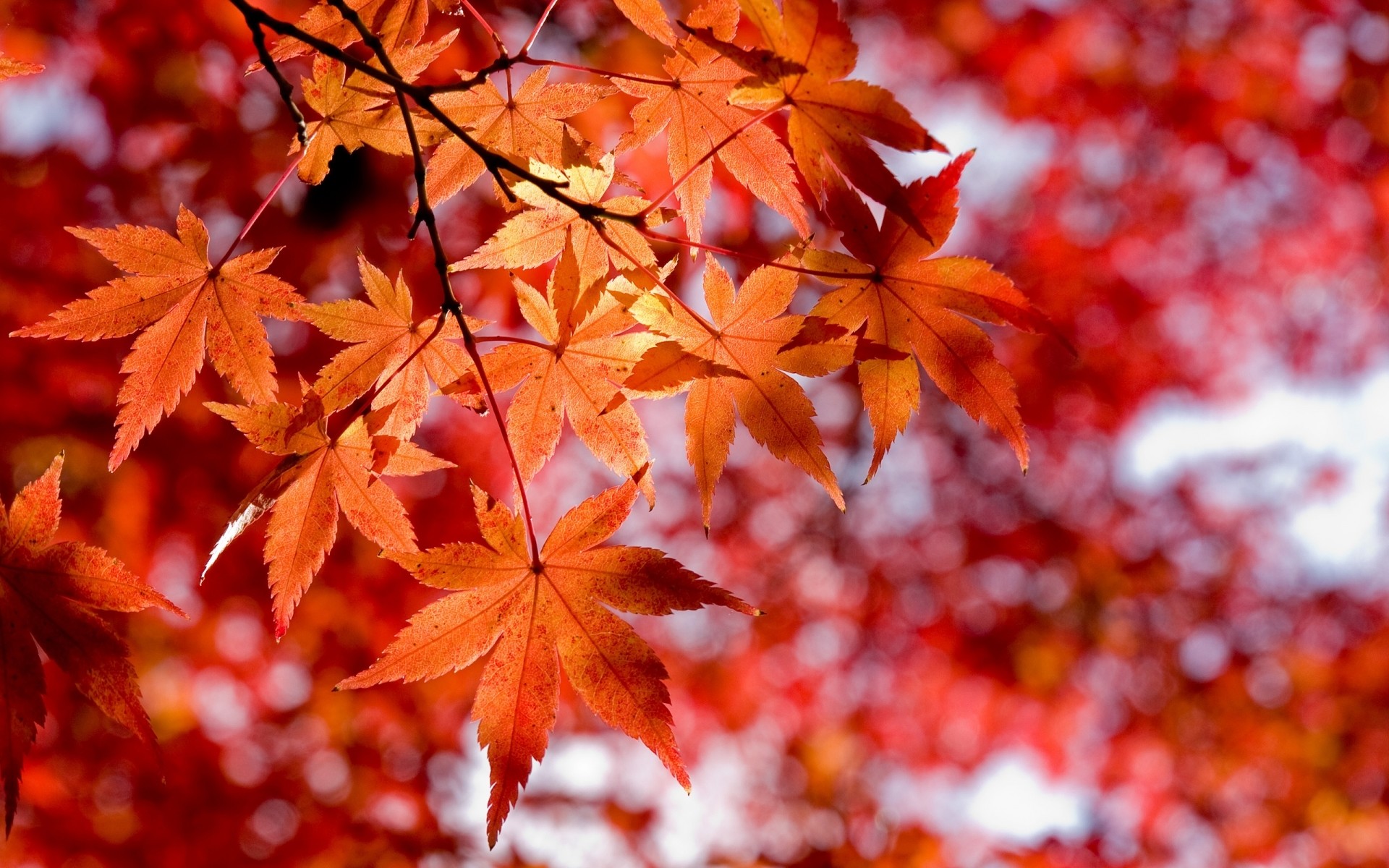
When incorporating red leaf shade plants into a landscape design, consider their aesthetic impact. Red foliage adds a vibrant contrast to green surroundings, creating focal points and enhancing specific areas of a garden. Combine red leaf plants with contrasting textures and shapes for visual appeal.
Creating Visually Appealing Combinations
– Pair red leaf plants with silver or blue-green foliage to create a striking contrast.
– Plant red leaf varieties alongside plants with variegated leaves for added interest.
– Combine red leaf plants with plants having different leaf shapes, such as ferns or hostas, to create a dynamic display.
Using Red Leaf Plants as Focal Points
– Plant red leaf shrubs or trees as specimen plants to draw attention to specific areas.
– Create a mass planting of red leaf groundcovers to create a bold statement.
– Use red leaf plants to frame entrances or walkways, guiding visitors through the garden.
Enhancing Specific Areas
– Add red leaf plants to shady borders to brighten up dark areas.
– Plant red leaf groundcovers beneath trees to create a colorful understory.
– Use red leaf plants to create a focal point in a woodland garden, mimicking the vibrant hues found in nature.
Care and Maintenance of Red Leaf Shade Plants
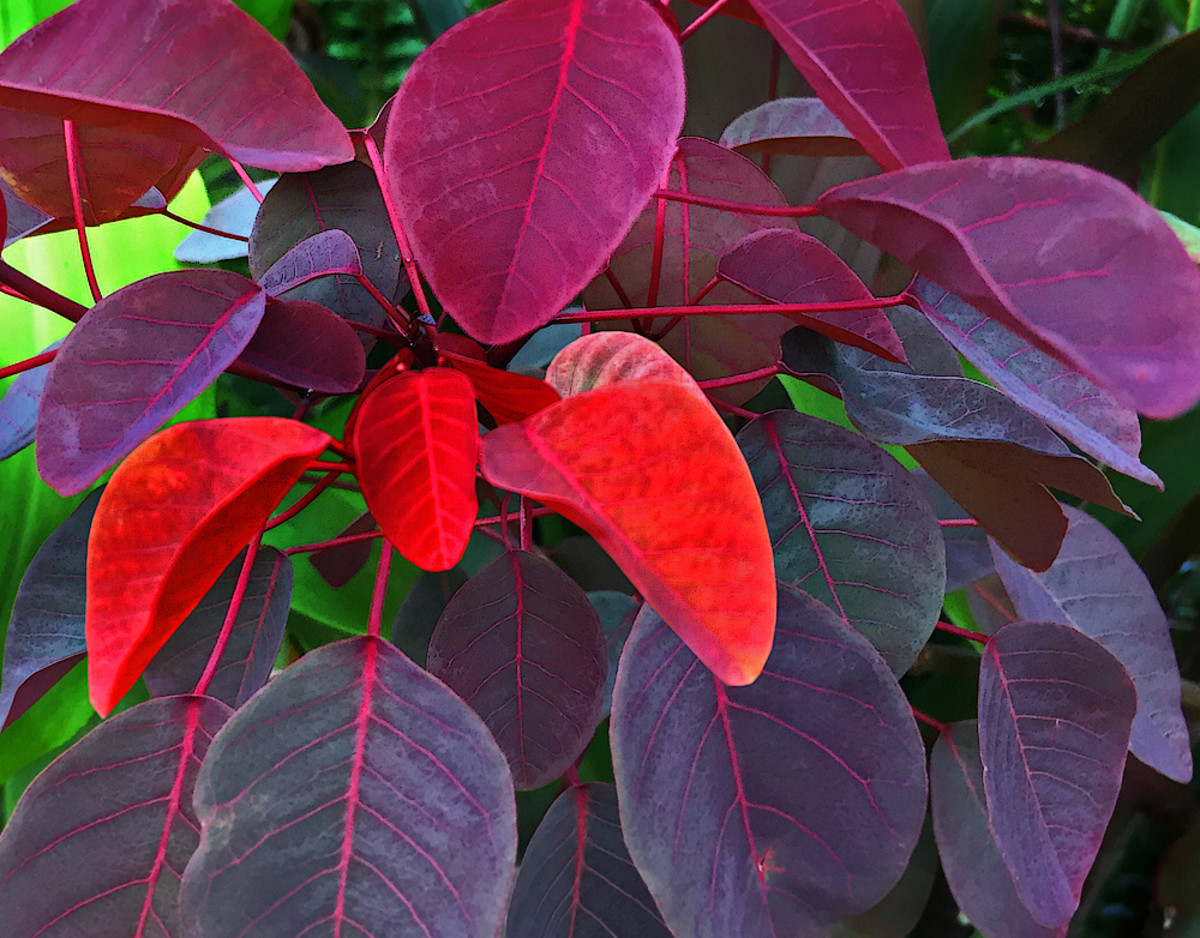
Red leaf shade plants, with their vibrant foliage, add a splash of color to shaded areas. To maintain their health and beauty, specific care requirements must be met.
These plants prefer well-drained, acidic soil rich in organic matter. Before planting, amend the soil with compost or peat moss to improve drainage and fertility. Mulching around the plants helps retain moisture, regulate soil temperature, and suppress weeds.
Watering, Red leaf shade plants
Red leaf shade plants generally have moderate water needs. Water regularly during the growing season, especially during hot, dry weather. Avoid overwatering, as soggy soil can lead to root rot.
Fertilization
Fertilize red leaf shade plants in spring and fall with a balanced fertilizer specifically formulated for acid-loving plants. Avoid over-fertilizing, as this can damage the roots and burn the foliage.
Common Pests and Diseases
Red leaf shade plants may be susceptible to certain pests and diseases, including aphids, spider mites, and fungal diseases like powdery mildew and leaf spot. Regularly inspect plants for signs of infestation or disease and take appropriate measures to control or treat them promptly.
Pruning
Pruning helps maintain plant health and shape. Remove dead, diseased, or damaged branches as needed. For most red leaf shade plants, light pruning in spring or fall is sufficient to encourage new growth and maintain a compact form.
