
With its captivating blooms and versatile nature, the Salvia hot lips plant is a must-have for any garden enthusiast. This perennial stunner, known for its vibrant red and white flowers, adds a touch of elegance and cheer to any landscape.
This article delves into the botanical characteristics, cultivation techniques, landscape uses, and design ideas for the Salvia hot lips plant. Get ready to be inspired and learn how to incorporate this beauty into your own outdoor space.
Botanical Characteristics

Salvia hot lips is a visually striking perennial plant that belongs to the Lamiaceae family. It showcases a captivating fusion of scarlet and white hues that illuminates gardens with its vibrant presence. Its unique foliage, flowers, and growth habit set it apart from other Salvia species, making it a favorite among horticulture enthusiasts.
This herbaceous perennial typically reaches heights between 18 to 24 inches (45 to 60 centimeters) and boasts a bushy, upright growth habit. Its stems are adorned with ovate leaves that are deeply veined and have serrated margins. The foliage exhibits a rich green coloration that provides a stunning backdrop for the plant’s captivating blooms.
Floral Display
Salvia hot lips produces an abundance of tubular flowers that bloom profusely from midsummer to early fall. These flowers are arranged in whorls around the stem, forming eye-catching spikes. Each flower features two distinct colors: the upper lip is a vibrant scarlet red, while the lower lip is adorned with a contrasting white coloration. This bicolor effect creates a striking visual impact that attracts pollinators such as bees and butterflies.
Environmental Requirements
Salvia hot lips thrives in well-drained soil that is rich in organic matter. It prefers full sun to partial shade and requires regular watering, especially during hot and dry periods. The plant is relatively low-maintenance and can tolerate a wide range of soil pH levels. However, it is important to avoid overwatering, as this can lead to root rot.
Cultivation and Care

Cultivating and caring for Salvia hot lips is relatively straightforward, making it a suitable choice for gardeners of all levels. With proper care, this plant will thrive and produce an abundance of vibrant blooms throughout the growing season.
Propagation
Salvia hot lips can be propagated through several methods, including seed sowing, cuttings, and division. Seeds can be sown indoors or outdoors in early spring. For cuttings, take softwood cuttings from non-flowering stems in late spring or early summer. Remove the lower leaves and dip the cuttings in rooting hormone before planting them in a well-draining potting mix. Division is best done in spring or fall when the plant is actively growing. Dig up the plant and carefully divide the root ball into smaller sections, ensuring each section has a few stems and roots.
Care
Salvia hot lips prefers well-drained soil that is rich in organic matter. It requires regular watering, especially during hot, dry weather. Fertilize the plant monthly during the growing season with a balanced liquid fertilizer. Pruning is not necessary but can be done to encourage bushier growth or remove spent blooms.
Pests and Diseases, Salvia hot lips plant
Salvia hot lips is generally resistant to pests and diseases. However, it can occasionally be affected by spider mites, whiteflies, or mealybugs. To prevent these pests, keep the plant well-watered and free of weeds. If an infestation occurs, treat the plant with an insecticidal soap or neem oil. Salvia hot lips is also susceptible to powdery mildew, which can be prevented by ensuring the plant has good air circulation and by avoiding overwatering.
Landscape Uses and Design: Salvia Hot Lips Plant
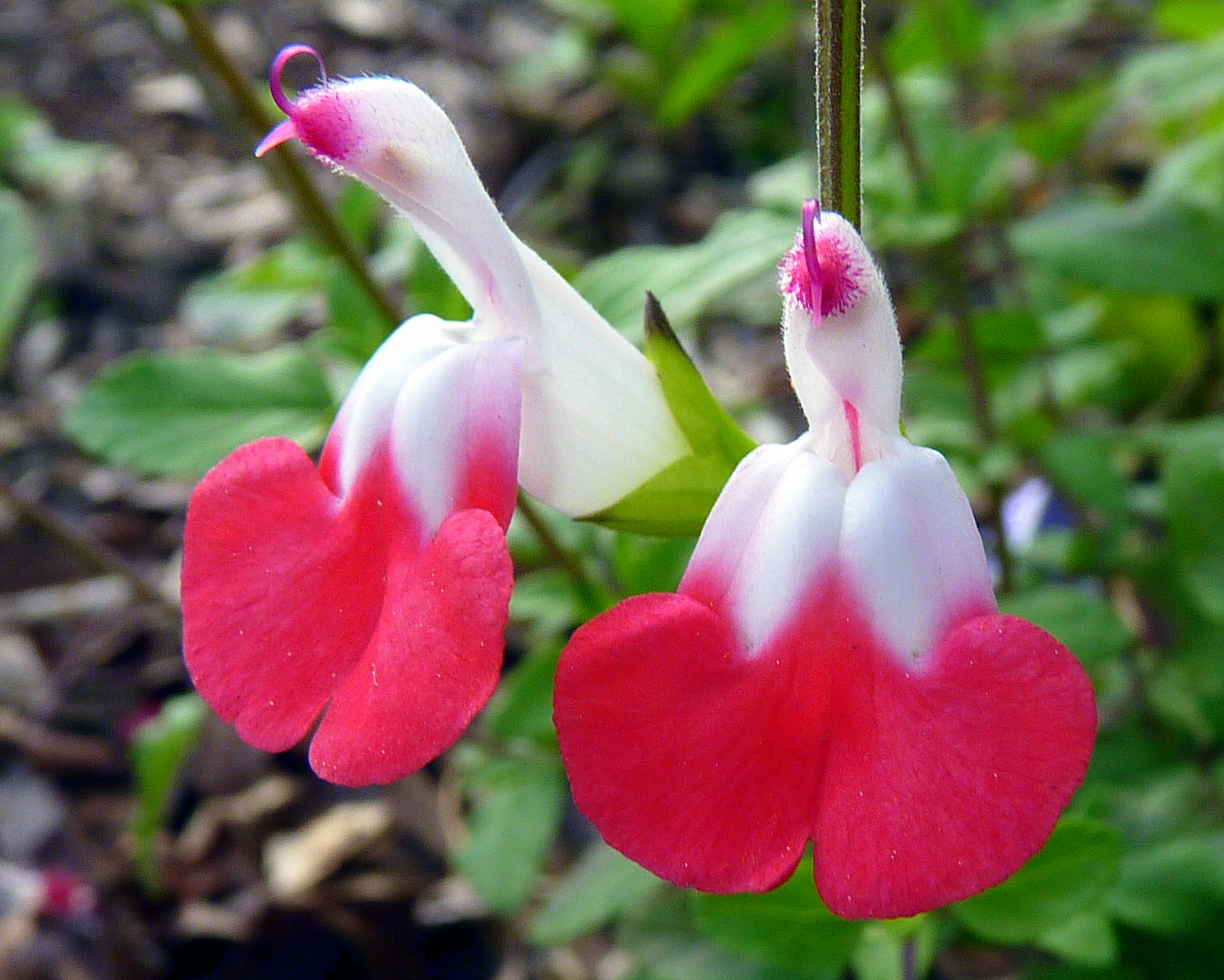
Salvia hot lips offers versatile landscape applications, adding vibrant colors and attractive foliage to outdoor spaces. Its adaptability and aesthetic appeal make it a valuable plant for both experienced gardeners and beginners.
Border Plant
Salvia hot lips excels as a border plant, creating a striking and defined edge along walkways, flower beds, or patios. Its compact size and upright growth habit make it suitable for lining paths or framing garden areas. The contrasting colors of its flowers and foliage provide a captivating visual interest that draws the eye.
Groundcover
When planted in mass, Salvia hot lips forms a dense and colorful groundcover that suppresses weeds and adds visual appeal to slopes, banks, or areas under trees. Its low-growing habit and drought tolerance make it a practical choice for covering large areas with minimal maintenance.
Specimen Plant
As a specimen plant, Salvia hot lips stands out as a focal point in the landscape. Its showy flowers and attractive foliage make it a captivating element that adds a touch of elegance and color to any garden. Planting it in containers or raised beds further enhances its visual impact.
Companion Planting
Salvia hot lips complements a wide range of companion plants, creating harmonious and visually appealing combinations. Here are some suitable companion plants:
- Contrasting colors: Purple coneflowers, blue salvia, yellow coreopsis
- Similar colors: Pink phlox, red bee balm, white Shasta daisies
- Textural contrast: Ornamental grasses, ferns, hostas
Landscape Styles
Salvia hot lips can be effectively incorporated into various landscape styles, including:
- Cottage gardens: Its informal and romantic charm adds a touch of nostalgia to cottage-style gardens.
- Mediterranean gardens: Its drought tolerance and heat resistance make it a suitable choice for Mediterranean-inspired landscapes.
- Contemporary gardens: Its modern and vibrant colors and foliage complement the clean lines and geometric shapes of contemporary designs.
- Wildlife gardens: Its nectar-rich flowers attract pollinators, making it a valuable addition to wildlife-friendly gardens.
