
Step into the fascinating world of the sticky fly trap plant, a botanical marvel that captivates with its extraordinary adaptations and ecological significance. From its captivating trapping mechanism to its role in nutrient cycling, this plant unveils a compelling narrative of survival and symbiosis.
This carnivorous plant, armed with an arsenal of glandular trichomes and digestive enzymes, has evolved a remarkable strategy to lure, capture, and digest unsuspecting insects, providing a unique glimpse into the intricate workings of the natural world.
Sticky Fly Trap Plant Overview

The sticky fly trap plant, also known as the sundew plant, is a fascinating carnivorous plant that captures and digests insects to supplement its nutrient intake. It possesses unique adaptations that enable it to trap and consume its prey.
These plants are characterized by their sticky leaves, which are covered in mucilage-producing glands. These glands secrete a sticky substance that attracts and traps insects. Once an insect lands on the leaf, it becomes entangled in the sticky mucilage and is unable to escape.
Scientific Classification
The sticky fly trap plant belongs to the genus Drosera, which is part of the family Droseraceae. There are over 180 species of sundews found worldwide, with the majority occurring in Australia and South Africa.
Habitat and Distribution
Sticky fly trap plants are typically found in wet, acidic environments, such as bogs, marshes, and rainforests. They can also be found in more arid regions, where they have adapted to survive in nutrient-poor soils.
Examples of Species
Some common species of sticky fly trap plants include:
- Drosera capensis (Cape sundew)
- Drosera rotundifolia (round-leaved sundew)
- Drosera binata (forked sundew)
- Drosera spatulata (spoon-leaved sundew)
Trapping Mechanism: Sticky Fly Trap Plant
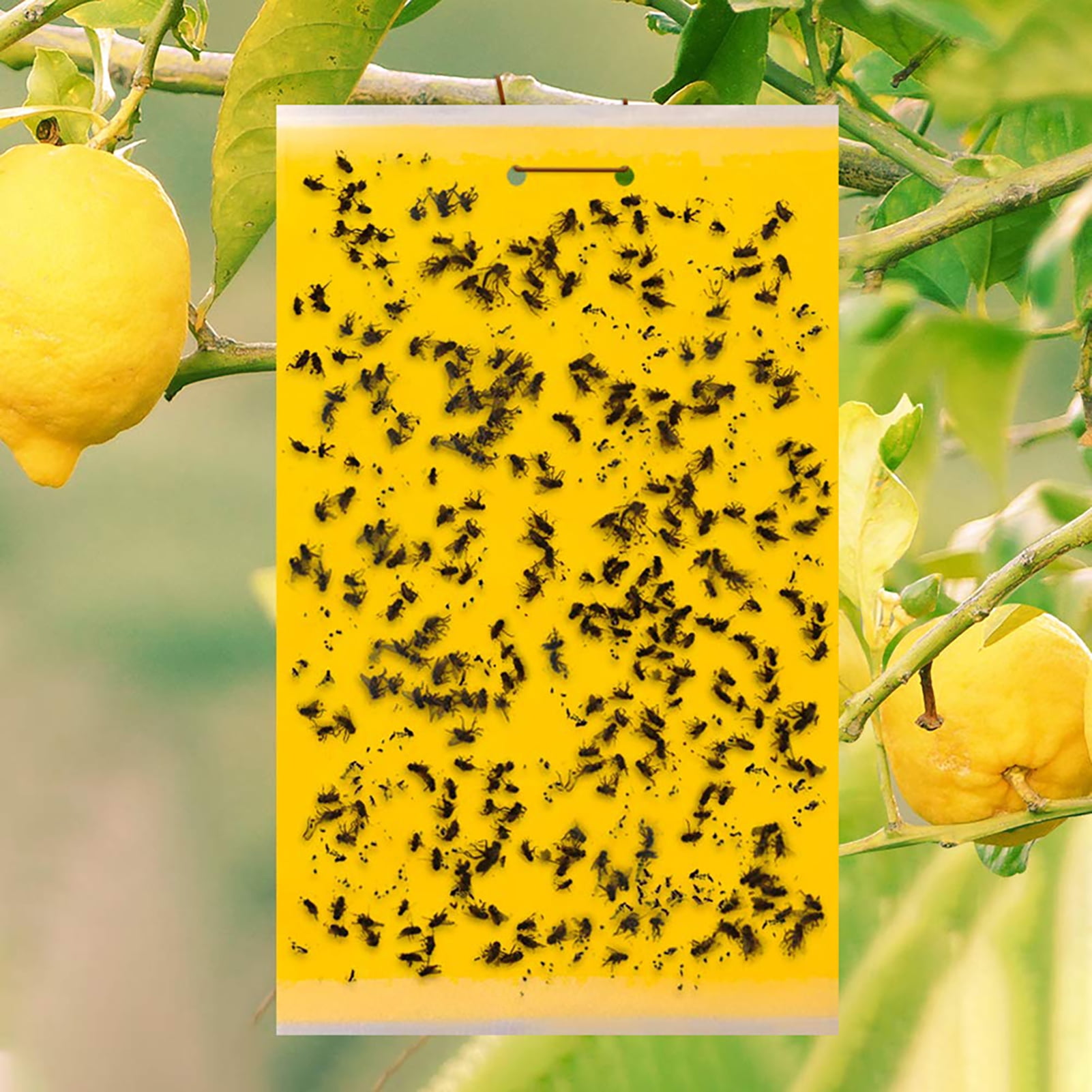
The sticky fly trap plant exhibits a fascinating trapping mechanism that allows it to capture and digest insects. This remarkable adaptation involves a combination of glandular trichomes and digestive enzymes, working together to ensnare and break down prey.
The plant’s leaves are covered in numerous glandular trichomes, which are small, hair-like structures. These trichomes secrete a sticky substance that attracts and traps insects. The sticky substance is composed of a complex mixture of sugars, proteins, and lipids, which acts as an irresistible lure for unsuspecting insects.
Capturing Insects
Once an insect comes into contact with the sticky substance, it becomes firmly attached to the leaf. The sticky trichomes hold the insect in place, preventing it from escaping. The insect’s struggles to free itself only serve to further entangle it in the sticky trap.
Digestive Enzymes
After the insect is captured, the plant secretes digestive enzymes onto its surface. These enzymes break down the insect’s body into nutrients that can be absorbed by the plant. The digestive enzymes are produced by specialized cells within the glandular trichomes and are capable of breaking down complex organic compounds into simpler molecules.
The sticky fly trap plant’s trapping mechanism is a highly effective way to capture and digest insects. This adaptation provides the plant with a source of nutrients that would otherwise be unavailable in its nutrient-poor environment.
Ecological Significance

The sticky fly trap plant holds immense ecological significance within its ecosystem. It plays a pivotal role in nutrient cycling and insect population control, contributing to the overall balance and health of the environment.
Nutrient Cycling
The sticky fly trap plant acts as a nutrient scavenger, capturing insects and absorbing their nutrient-rich remains. These nutrients are then released back into the soil, enriching it and making essential elements available to other plants in the ecosystem. This nutrient cycling process enhances soil fertility and supports plant growth in the surrounding area.
Insect Population Control
The sticky fly trap plant serves as a natural insect predator, effectively reducing insect populations. By trapping and consuming insects, the plant helps regulate insect numbers, preventing outbreaks that could disrupt the ecosystem’s equilibrium. This insect population control also benefits other organisms, such as birds and bats, which rely on insects as a food source.
Benefits to Other Organisms, Sticky fly trap plant
The sticky fly trap plant provides indirect benefits to other organisms in the ecosystem. By reducing insect populations, it decreases the prevalence of insect-borne diseases, protecting other plants and animals from infection. Additionally, the sticky fly trap plant attracts pollinators, such as bees and butterflies, which aid in the pollination of other plants, ensuring successful reproduction and fruit production.

