
The orange bush ice plant, a captivating succulent with a vibrant foliage and unique characteristics, offers a fascinating exploration of the natural world. This versatile plant not only enhances landscapes but also possesses medicinal properties and ecological significance, making it a valuable addition to gardens and ecosystems alike.
With its striking orange flowers and succulent leaves, the orange bush ice plant adds a touch of color and texture to any garden. Its adaptability to various soil types and sunlight conditions makes it a low-maintenance plant, while its ability to propagate easily ensures its continued presence in your outdoor space.
Plant Characteristics and Cultivation
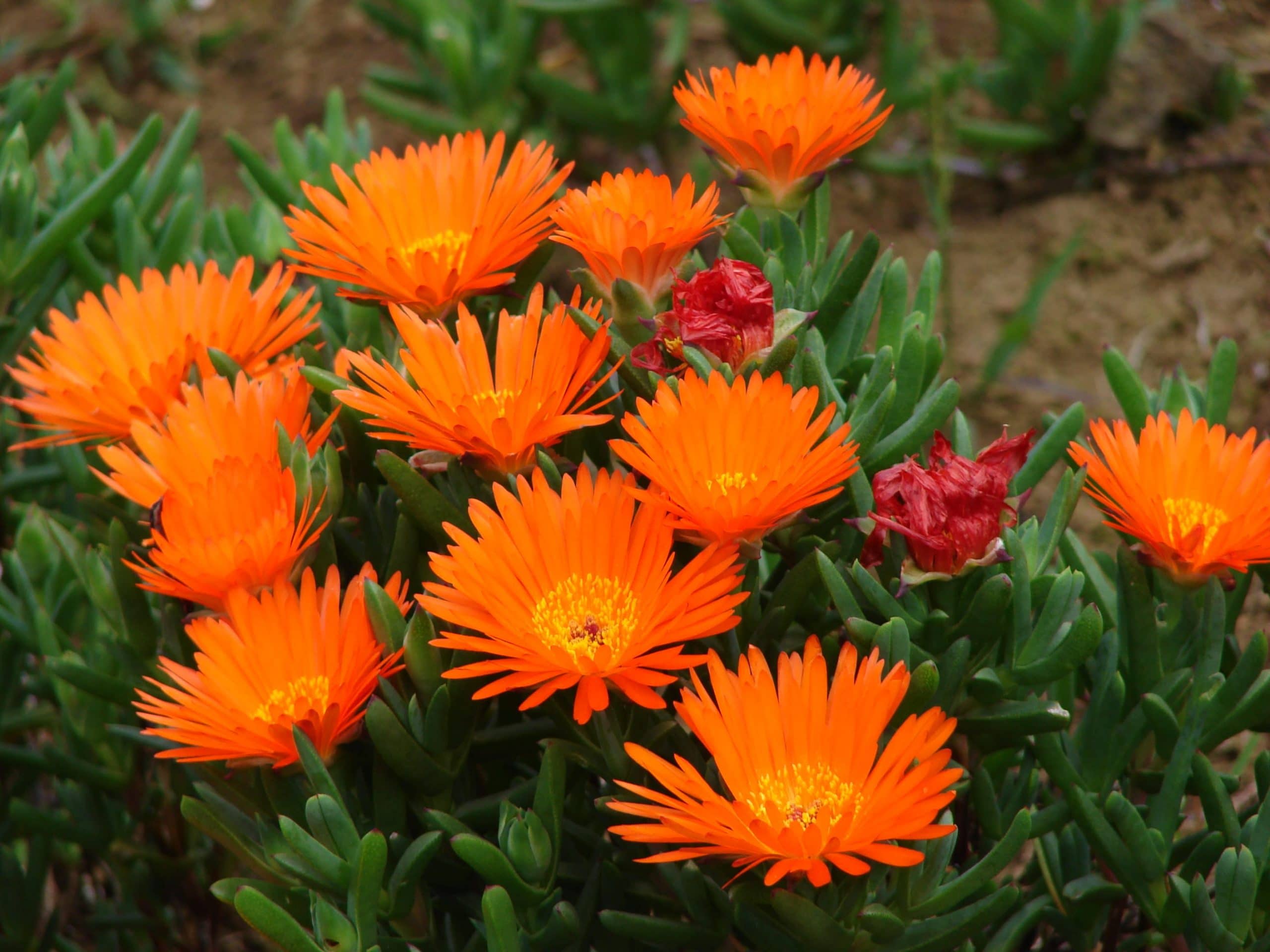
The orange bush ice plant (Lampranthus aurantiacus) is a low-growing, succulent shrub native to South Africa. It is prized for its showy, daisy-like flowers that bloom in a vibrant orange hue.
This plant typically reaches a height of 12-18 inches and has a spread of 2-3 feet. It features thick, fleshy leaves that are arranged in a spiral pattern. The leaves are covered in tiny, wart-like bumps that give the plant a rough texture.
Planting and Care
The orange bush ice plant is relatively easy to grow and can thrive in a variety of conditions. It prefers well-drained soil that is slightly acidic to neutral in pH. It should be planted in a location that receives full sun to partial shade.
Water the orange bush ice plant sparingly, allowing the soil to dry out completely between waterings. This plant is drought tolerant and can withstand periods of neglect.
Propagation
The orange bush ice plant can be propagated through cuttings or seeds. To propagate through cuttings, take a 4-6 inch cutting from a healthy stem and remove the lower leaves. Allow the cutting to callous over for a few days before planting it in well-drained soil.
To propagate through seeds, sow the seeds in well-drained soil and keep them moist. The seeds will germinate in 1-2 weeks.
Horticultural Applications and Uses
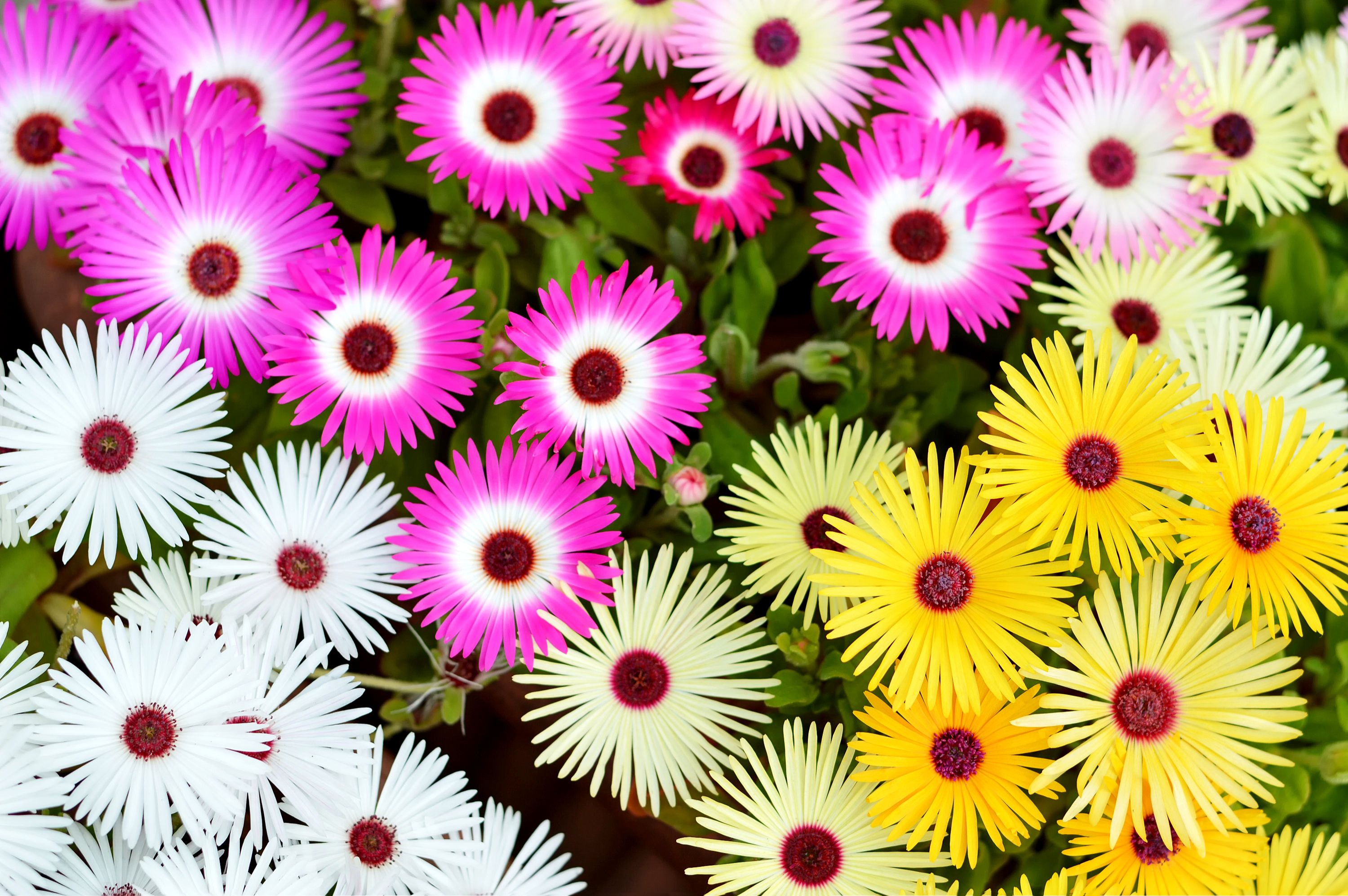
The orange bush ice plant, with its vibrant blooms and succulent foliage, finds diverse applications in horticulture and beyond. Its ornamental value and medicinal properties have made it a popular choice for gardeners and herbalists alike.
Ornamental Uses
The orange bush ice plant’s eye-catching flowers and fleshy leaves lend themselves to various ornamental applications. In rock gardens, its cascading habit creates a dramatic effect, while its drought tolerance makes it ideal for xeriscaping. Succulent arrangements benefit from its vibrant hues and unique texture, adding depth and interest to the composition. As a groundcover, it forms a dense mat that suppresses weeds and adds visual appeal to landscapes.
Medicinal Properties, Orange bush ice plant
Traditionally, the orange bush ice plant has been used for its medicinal properties in various cultures. Its leaves and stems contain compounds with anti-inflammatory and antimicrobial effects. In traditional medicine, it has been employed to treat conditions such as skin irritations, burns, and digestive ailments. Research is ongoing to further explore the potential therapeutic benefits of this plant.
Culinary Applications
The succulent leaves of the orange bush ice plant offer a unique culinary experience. They can be consumed raw in salads, where their salty and slightly sour flavor adds a refreshing touch. In soups and stews, they contribute a delicate crunch and a subtle hint of citrus. Additionally, the leaves can be pickled or preserved for extended use, adding a zesty flavor to various dishes.
Ecological Significance and Wildlife Value: Orange Bush Ice Plant
/purple-ice-plant-2132553_03-ef9bd2eb3d514477b1f15a33ea90887f.jpg)
The orange bush ice plant plays a vital role in the ecosystem, providing habitat and sustenance for a variety of insects and other wildlife. Its dense, succulent foliage offers shelter and nesting sites for insects, birds, and small mammals. The flowers attract pollinators, including bees and butterflies, which are essential for maintaining biodiversity and supporting plant reproduction.
Soil Conservation and Erosion Control
The orange bush ice plant is an effective soil stabilizer, helping to prevent erosion and soil loss. Its extensive root system anchors it firmly in the ground, reducing soil displacement by wind and water. The dense ground cover formed by the plant’s spreading habit also helps to retain soil moisture, further minimizing erosion.
Potential Toxicity
While the orange bush ice plant is generally considered non-toxic, certain parts of the plant, such as the leaves and stems, may contain compounds that can be harmful if ingested by some animals and humans. These compounds can cause gastrointestinal distress, skin irritation, and other health issues. It is important to note that the toxicity levels can vary depending on the plant’s age, growing conditions, and individual sensitivity.

