Peace lily fake plants have emerged as a captivating solution for home decor enthusiasts seeking the allure of greenery without the maintenance challenges. These artificial plants offer an array of benefits, ranging from their realistic appearance to their versatility in complementing various design styles. Dive into this comprehensive guide to discover the world of peace lily fake plants, exploring their features, care tips, and inspiring ideas for incorporating them into your living spaces.
From understanding the intricate details that mimic natural peace lilies to grasping the advantages and potential drawbacks of artificial plants, this guide equips you with the knowledge to make informed choices. Discover the diverse range of peace lily fake plants available, each designed to cater to specific preferences and decor schemes.
Peace Lily Fake Plant Overview

Peace lily fake plants are artificial replicas of the popular Spathiphyllum plant, known for its elegant white flowers and lush green foliage. These fake plants are crafted from high-quality materials, such as silk, plastic, and ceramic, to mimic the natural appearance of the real plant. They come in various sizes, shapes, and styles, making them suitable for different décor preferences and spaces.
One of the main advantages of using fake peace lily plants is their low maintenance. Unlike real plants, they do not require watering, sunlight, or pruning, making them an ideal choice for those with busy schedules or limited gardening experience. Additionally, they are hypoallergenic and do not attract pests, making them a safe option for homes with pets or individuals with allergies.
However, it’s important to note that fake peace lily plants do not offer the same air-purifying benefits as real plants. Studies have shown that real peace lilies can help remove toxins from the air, while fake plants do not possess this ability. Additionally, fake plants may collect dust and require occasional cleaning to maintain their appearance.
Types of Peace Lily Fake Plants
There are several different types of peace lily fake plants available, each with its unique features and appearance. Some of the most common types include:
- Silk Peace Lily Plants: These plants are made from high-quality silk fabric, giving them a realistic appearance and soft texture. They are often used in indoor settings, such as homes and offices, as they can withstand low light conditions.
- Plastic Peace Lily Plants: Plastic peace lily plants are made from durable plastic materials, making them suitable for both indoor and outdoor use. They are resistant to fading and can withstand harsh weather conditions, making them a good choice for patios, balconies, and gardens.
- Ceramic Peace Lily Plants: Ceramic peace lily plants are crafted from ceramic materials, giving them a more substantial and realistic appearance. They are often used in high-end décor settings and can add a touch of elegance to any space.
Peace Lily Fake Plant Care
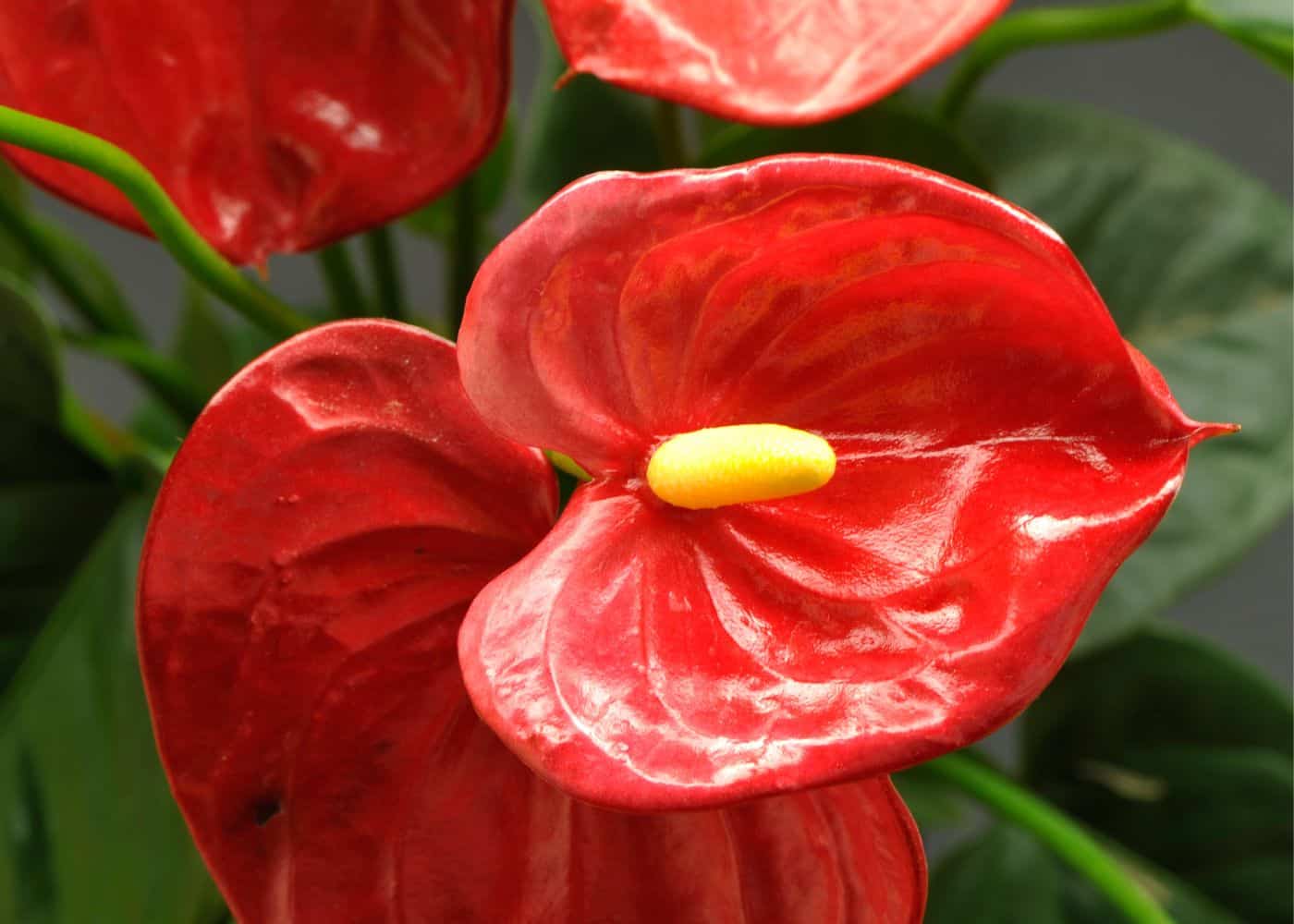
Peace lily fake plants are a great way to add a touch of greenery to your home without the hassle of watering or sunlight. However, like any other plant, they require some care to keep them looking their best.
Here are a few tips on how to clean and maintain peace lily fake plants:
Cleaning Peace Lily Fake Plants
- Use a soft, dry cloth to wipe down the leaves of your fake plant regularly. This will remove any dust or dirt that may have accumulated.
- If your fake plant is particularly dirty, you can use a mild soap and water solution to clean it. Be sure to rinse the plant thoroughly with water after cleaning.
- Avoid using harsh chemicals or cleaners on your fake plant, as these can damage the material.
Making Fake Plants Look More Realistic
- One of the best ways to make fake plants look more realistic is to vary the height and size of the leaves. This will create a more natural look than if all of the leaves are the same size.
- Another way to make fake plants look more realistic is to add some texture to the leaves. You can do this by using a fine-grit sandpaper to lightly sand the edges of the leaves.
- Finally, you can add some color to the leaves of your fake plant by using a spray paint or acrylic paint. Be sure to use a light touch and to avoid overdoing it.
Displaying Fake Plants
- When displaying fake plants, it is important to choose the right location. Avoid placing them in direct sunlight, as this can fade the colors of the leaves.
- Also, avoid placing fake plants in areas where they will be exposed to a lot of dust or dirt.
- Finally, be creative with your display. You can use fake plants to create a variety of different looks, from a lush jungle to a serene oasis.
Peace Lily Fake Plant Inspiration
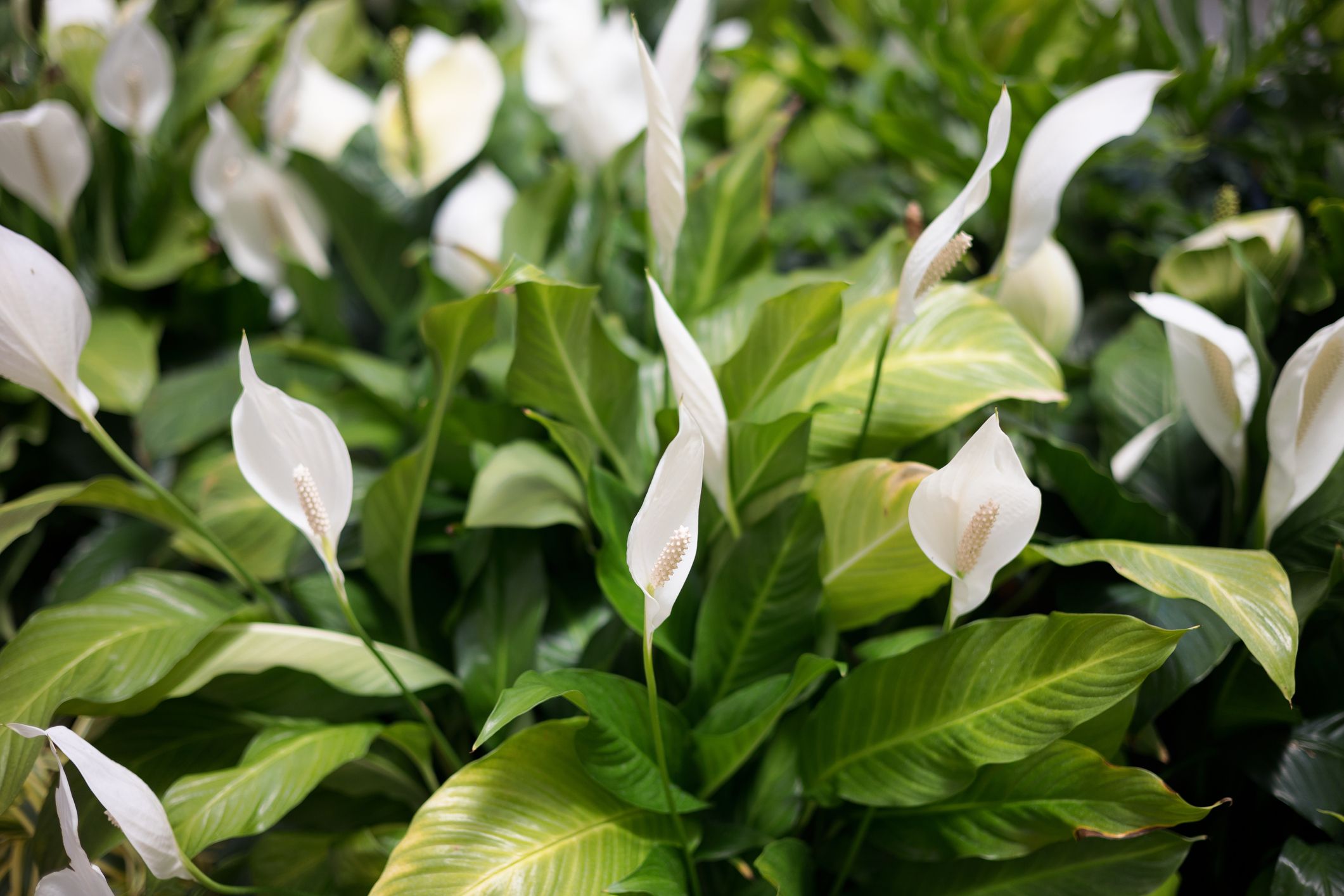
Peace lily fake plants offer endless possibilities for home decor, bringing a touch of nature indoors without the hassle of maintenance. Here are some creative ways to use them to elevate your space:
Incorporate fake peace lilies into your decor to create a peaceful and inviting atmosphere. Their lush foliage and delicate blooms add a touch of tranquility to any room.
Incorporating Fake Plants into Different Design Styles, Peace lily fake plant
- Traditional: Combine peace lily fake plants with classic furnishings, such as wooden tables and floral upholstery, to add a touch of elegance.
- Modern: Place fake peace lilies in sleek vases or planters to complement contemporary interiors with clean lines and neutral colors.
- Bohemian: Create a cozy and eclectic vibe by pairing peace lily fake plants with macrame hangers, ethnic textiles, and colorful accents.
- Scandinavian: Embrace the minimalist aesthetic by displaying peace lily fake plants in white ceramic pots or wooden stands against a backdrop of natural wood and soft lighting.
Creating a Peaceful Atmosphere with Fake Plants
Peace lily fake plants are known for their air-purifying qualities, making them ideal for creating a healthy and calming environment. Place them in areas where you spend a lot of time, such as the living room, bedroom, or home office, to promote relaxation and well-being.