Bird nest snake plant – The bird’s nest snake plant, a captivating botanical marvel, stands as a testament to nature’s enduring beauty and resilience. With its striking appearance and remarkable adaptability, this plant has captured the hearts of plant enthusiasts worldwide, inviting us to explore its unique characteristics, cultivation needs, and multifaceted benefits.
This enigmatic plant, scientifically classified as Sansevieria trifasciata ‘Hahnii’, boasts a distinctive rosette-shaped growth pattern, forming a compact and eye-catching cluster of upright, sword-like leaves. Its leaves exhibit a vibrant emerald green hue, adorned with intricate horizontal bands of lighter green or silver, creating a captivating visual display.
Plant Characteristics and Identification
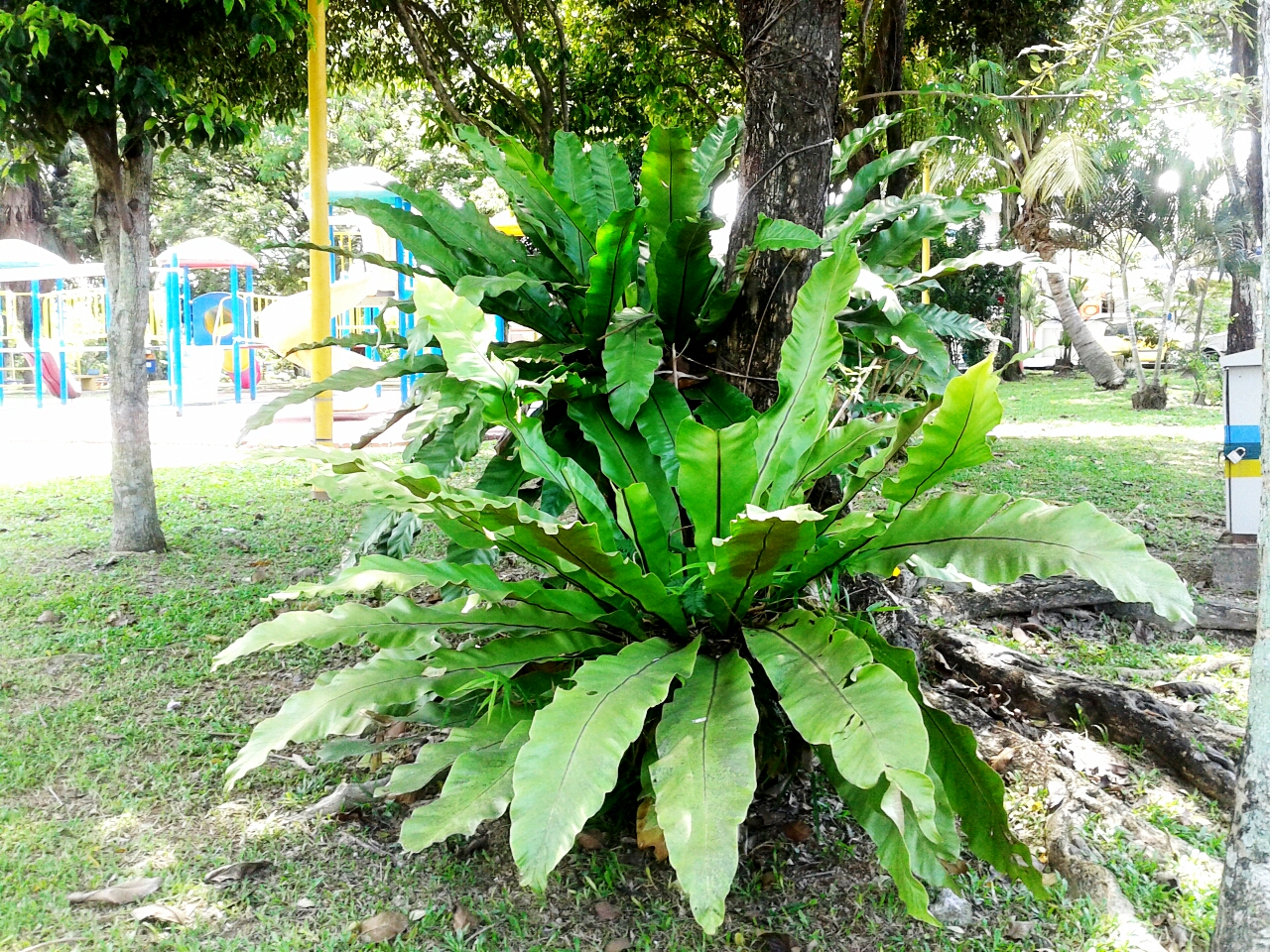
The bird’s nest snake plant, scientifically known as Sansevieria trifasciata ‘Hahnii’, is a distinctive and visually striking succulent that has gained popularity as a houseplant due to its unique appearance and resilience. Belonging to the Asparagaceae family, this plant exhibits characteristics that set it apart from other snake plants.
This succulent typically forms a rosette-shaped clump, with its leaves arranged in an upright and somewhat cupped manner, resembling a bird’s nest. The leaves are relatively short, typically ranging from 6 to 12 inches in length, and are characterized by their thick, sword-like shape. The leaf surface is adorned with dark green bands along the edges, contrasting beautifully with the lighter green center, creating a striking visual effect.
Botanical Classification
- Kingdom: Plantae
- Division: Magnoliophyta
- Class: Liliopsida
- Order: Asparagales
- Family: Asparagaceae
- Genus: Sansevieria
- Species: Sansevieria trifasciata
- Cultivar: ‘Hahnii’
Growth Requirements and Care: Bird Nest Snake Plant
The bird’s nest snake plant is a hardy and adaptable succulent, but providing it with the right growing conditions will ensure optimal growth and health.
Light
The bird’s nest snake plant thrives in bright, indirect light. Avoid direct sunlight, as it can scorch the leaves. A north- or east-facing window is ideal. If natural light is limited, supplement with artificial grow lights.
Temperature
This plant prefers warm temperatures between 65-80°F (18-27°C). Avoid exposing it to temperatures below 50°F (10°C), as this can cause cold damage.
Humidity
The bird’s nest snake plant is tolerant of average humidity levels. However, it may benefit from occasional misting or a humidifier, especially during dry winter months.
Soil
Use a well-draining potting mix specifically designed for succulents or cacti. A mixture of potting soil, perlite, and sand is a good option.
Watering, Bird nest snake plant
Water the bird’s nest snake plant thoroughly when the soil feels dry to the touch. Allow the top inch of soil to dry out completely before watering again. Overwatering can lead to root rot.
Propagation
The bird’s nest snake plant can be propagated by division or leaf cuttings.
Division: Divide the plant into smaller sections with a sharp knife. Each section should have its own root system. Replant the divisions in individual pots.
Leaf cuttings: Remove a healthy leaf from the plant. Allow the cut end to dry and callus for a few days. Then, plant the leaf in moist potting mix and keep it warm and humid. Roots will develop within a few weeks.
Benefits and Uses

The bird’s nest snake plant offers a range of benefits beyond its striking appearance. Its ability to purify the air and remove toxins has made it a popular choice for indoor spaces.
Air-Purifying Qualities
Studies have shown that the bird’s nest snake plant effectively removes formaldehyde, benzene, and trichloroethylene from the air. These toxins are commonly found in building materials, cleaning products, and paints.
NASA’s Clean Air Study identified the bird’s nest snake plant as one of the top plants for air purification. Its high transpiration rate releases water vapor into the air, which helps to trap and remove harmful pollutants.
Potential Medicinal Properties
Traditional medicine has long used the bird’s nest snake plant for its potential medicinal properties. Its leaves are said to have anti-inflammatory, antibacterial, and antiviral effects.
Some studies suggest that the plant may help reduce swelling, pain, and infection. However, more research is needed to confirm its medicinal efficacy.
Home Décor and Companion Plants
The bird’s nest snake plant’s unique shape and texture make it a versatile addition to home décor. Its compact size allows it to fit in small spaces, and its low-maintenance nature makes it easy to care for.
The plant pairs well with other snake plants, such as the mother-in-law’s tongue, or with plants with contrasting foliage, such as ferns or succulents. It can be placed on shelves, tables, or even hung in baskets for a touch of greenery.