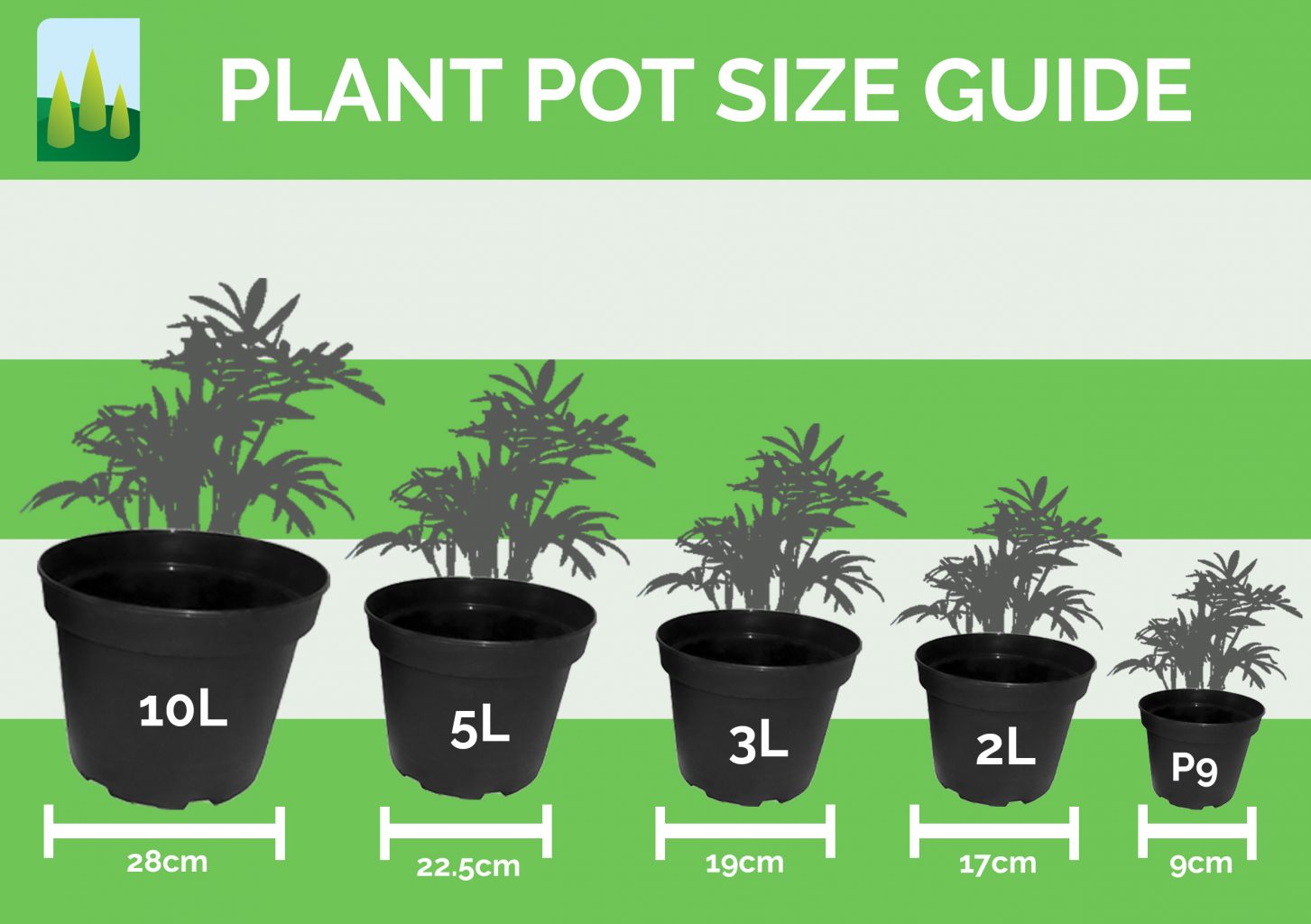
7 gallon plant pot – The 7-gallon plant pot offers a versatile and practical solution for various gardening needs. Its ample size accommodates a wide range of plants, making it an ideal choice for both indoor and outdoor spaces. This guide delves into the factors to consider when selecting a 7-gallon plant pot, the optimal soil composition and fertilization techniques, and essential tips for ensuring proper drainage and plant health.
Understanding the ideal plant sizes and species suitable for a 7-gallon plant pot is crucial. Factors such as root structure, growth habit, and water requirements should be considered to ensure optimal growth and prevent overcrowding. This guide provides examples of specific plants that thrive in 7-gallon pots, offering valuable insights for gardeners of all levels.
Plant Size and Compatibility: 7 Gallon Plant Pot

A 7-gallon plant pot is suitable for medium-sized plants with moderate root systems. When selecting plants for this pot size, consider factors such as root structure, growth habit, and water requirements.
Root Structure, 7 gallon plant pot
Plants with compact or fibrous root systems are ideal for 7-gallon pots. Avoid plants with extensive or deep taproots, as they may become pot-bound and restricted.
Growth Habit
Choose plants with an upright or bushy growth habit to maximize space utilization in the pot. Avoid sprawling or vining plants that may require additional support or trellising.
Water Requirements
Consider the plant’s water needs when selecting for a 7-gallon pot. Plants with moderate to high water requirements, such as tomatoes, peppers, and cucumbers, are suitable. Plants with low water needs, such as succulents or cacti, may require less frequent watering in this pot size.
Examples of Suitable Plants
- Tomatoes
- Peppers
- Cucumbers
- Zucchini
- Eggplant
- Basil
- Oregano
- Thyme
Pot Material and Drainage

The choice of pot material for a 7-gallon plant pot is crucial for the health and growth of your plants. Different materials offer unique advantages and disadvantages, so it’s essential to understand their properties before making a decision.
Plastic Pots
- Lightweight and durable, making them easy to move around.
- Economical and widely available.
- Not as breathable as other materials, which can lead to root rot.
- Can become brittle and crack over time, especially when exposed to extreme temperatures.
Ceramic Pots
- Heavy and sturdy, providing stability for taller plants.
- Breathable, allowing for better air circulation around the roots.
- Can be more expensive than plastic pots.
- Prone to chipping and breaking, especially if dropped or handled roughly.
Terracotta Pots
- Porous, allowing for excellent drainage and breathability.
- Natural and aesthetically pleasing, complementing various home decors.
- Can be heavy and difficult to move, especially in larger sizes.
- Susceptible to cracking and breakage, especially in cold climates.
Regardless of the material chosen, proper drainage is essential for the well-being of your plants. Drainage holes allow excess water to escape, preventing root rot and ensuring optimal root development. Ensure that the pot has multiple drainage holes at the bottom, and if necessary, add a layer of gravel or broken pottery to the bottom of the pot to facilitate drainage.
Soil Composition and Fertilization

The ideal soil composition for a 7-gallon plant pot provides optimal drainage, aeration, and nutrient availability for healthy plant growth. A well-balanced soil mix consists of a combination of potting mix, compost, and other amendments to meet the specific needs of the plant.
Potting Mix
Potting mix forms the base of the soil composition, providing a lightweight and well-draining medium. Choose a high-quality potting mix specifically designed for container gardening, as it contains a blend of peat moss, perlite, and vermiculite to ensure proper drainage and aeration.
Compost
Compost enriches the soil with organic matter, improves soil structure, and provides essential nutrients. Incorporate well-decomposed compost into the potting mix at a ratio of 1:3 (one part compost to three parts potting mix). This ratio provides a balance of nutrients and drainage.
Other Amendments
Depending on the plant species and specific requirements, additional amendments may be beneficial. For example, slow-release fertilizers can be added to provide sustained nutrient release, while perlite or pumice can further improve drainage.
Soil pH
Soil pH is a measure of the acidity or alkalinity of the soil. Different plants have specific pH preferences for optimal growth. Most plants prefer a slightly acidic to neutral pH range (between 6.0 and 7.0). To adjust the soil pH in a 7-gallon pot, use pH-adjusting products such as sulfur (to lower pH) or lime (to raise pH). It is recommended to test the soil pH before making any adjustments.
Fertilization
Fertilizing plants in 7-gallon pots provides essential nutrients for healthy growth and flowering. Choose a balanced fertilizer with a ratio of nitrogen (N), phosphorus (P), and potassium (K) appropriate for the plant species. Follow the instructions on the fertilizer label for application frequency and dosage. Generally, fertilizing every 2-4 weeks during the growing season is sufficient. Avoid over-fertilizing, as it can lead to nutrient burn and damage the plant.