
The Indian bay leaf plant, a versatile herb known for its aromatic leaves, has captivated culinary enthusiasts and herbalists alike for centuries. From its origins in the tropical forests of India to its widespread use in global cuisines and traditional medicine, this plant offers a fascinating blend of culinary and medicinal properties.
With its distinctive flavor and aroma, the Indian bay leaf has become an indispensable ingredient in countless dishes around the world. Its medicinal applications, supported by scientific evidence, range from digestive aid to antimicrobial and antioxidant properties.
Indian Bay Leaf Plant Description and Cultivation

The Indian bay leaf plant, scientifically known as Cinnamomum tamala, is an evergreen tree native to the Indian subcontinent. It belongs to the Lauraceae family, which also includes cinnamon and camphor trees.
Indian bay leaf trees can grow up to 20 meters in height and have smooth, gray bark. The leaves are simple, oblong-shaped, and have a leathery texture. They are dark green in color and have a distinctive aroma. The flowers are small, white, and arranged in clusters. The fruits are small, black berries.
Cultivation, Indian bay leaf plant
Indian bay leaf plants can be cultivated in a variety of soil types, but they prefer well-drained, loamy soil. They require full sun to partial shade and regular watering. The plants are relatively easy to grow and can be propagated by cuttings or seeds.
When propagating by cuttings, it is important to use semi-hardwood cuttings that are 6-8 inches long. The cuttings should be taken from healthy, mature trees. The cuttings should be planted in a well-draining potting mix and kept moist. They will typically root within 6-8 weeks.
Indian bay leaf plants can also be propagated by seeds. The seeds should be sown in a well-draining potting mix and kept warm. The seeds will typically germinate within 2-3 weeks.
Once the seedlings have developed their first set of true leaves, they can be transplanted into individual pots or into the ground. The plants should be spaced 6-8 feet apart. Indian bay leaf plants are relatively low-maintenance and can be grown with minimal care.
Culinary and Medicinal Uses of Indian Bay Leaf: Indian Bay Leaf Plant

Indian bay leaf, also known as tej patta, is an aromatic leaf widely used in Indian cuisine. It possesses a distinctive flavor and aroma, making it a popular spice in both traditional and modern dishes. Beyond its culinary applications, Indian bay leaf also holds significant medicinal value, supported by scientific evidence and traditional practices.
Culinary Applications
Indian bay leaf is a staple ingredient in Indian cooking, imparting a unique flavor and fragrance to various dishes. It is commonly used in curries, biryanis, soups, stews, and meat preparations. The leaves can be added whole or crushed to release their aromatic compounds. In addition to Indian cuisine, bay leaf is also employed in other culinary traditions, such as Mediterranean and Middle Eastern cooking.
Medicinal Uses
Indian bay leaf has been traditionally used in Ayurvedic medicine for centuries to treat various ailments. Modern scientific research has supported some of these traditional uses, demonstrating the medicinal properties of bay leaf. Studies have shown that bay leaf possesses anti-inflammatory, antimicrobial, and antioxidant properties.
Traditionally, bay leaf has been used to alleviate digestive issues, reduce inflammation, and improve sleep. It is also believed to have diuretic and expectorant properties. In some cultures, bay leaf is used as a natural insect repellent.
Nutritional Value and Health Benefits
Indian bay leaf is a rich source of essential nutrients, including vitamins A, C, and K, as well as minerals such as iron, calcium, and potassium. It also contains antioxidants that help protect the body from oxidative stress.
Consuming bay leaf has been linked to several health benefits, including improved digestion, reduced inflammation, and enhanced immunity. Some studies suggest that bay leaf may also have anti-cancer properties.
“Indian bay leaf is a versatile spice that offers both culinary and medicinal benefits. Its unique flavor and aroma make it a valuable addition to many dishes, while its medicinal properties provide potential health benefits.”
Harvesting and Processing of Indian Bay Leaf
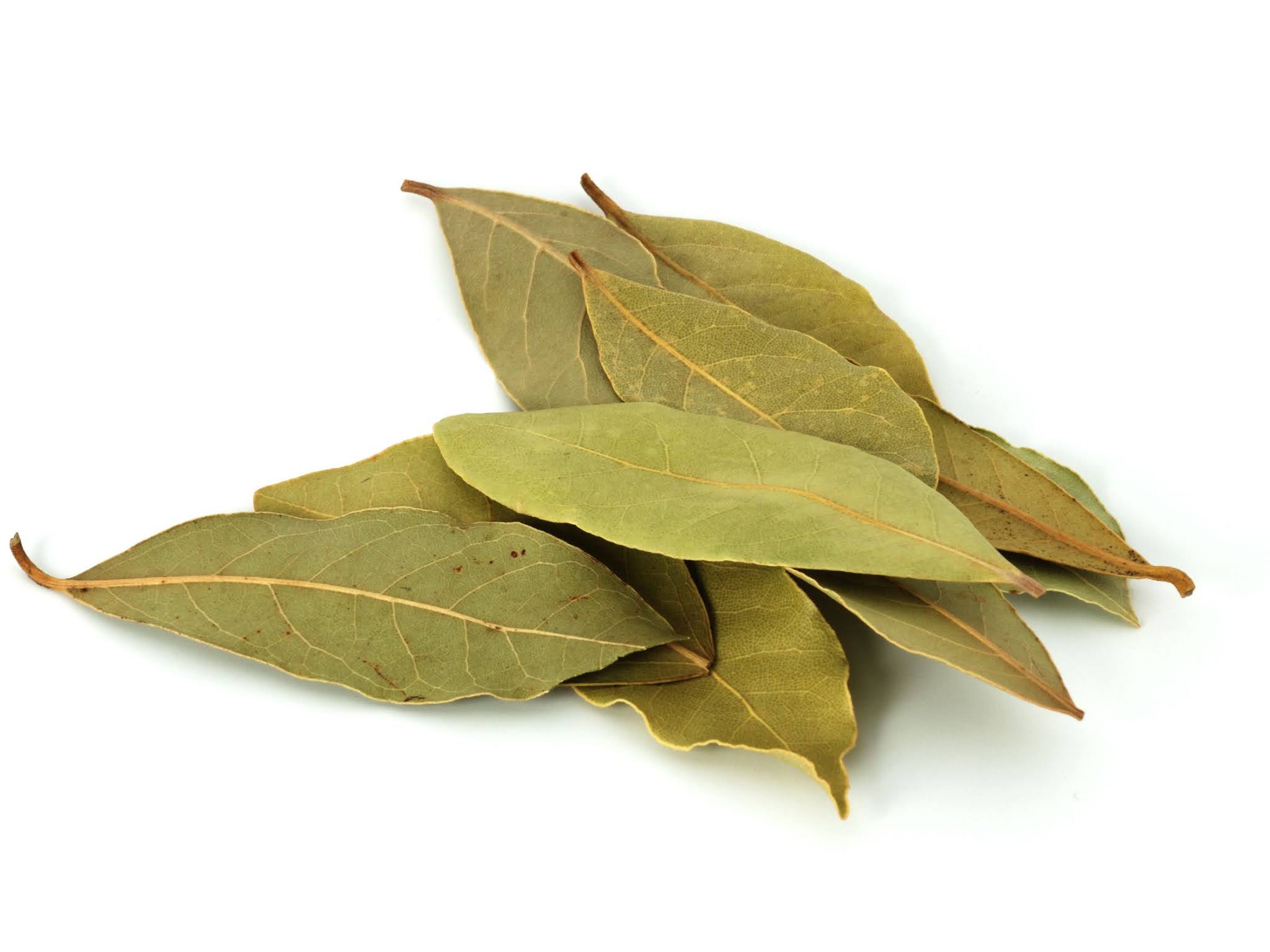
The harvesting and processing of Indian bay leaves are crucial steps in preserving their distinct aroma and flavor. These processes involve carefully selecting the leaves at the right time and employing specific techniques to prepare them for culinary and medicinal uses.
Harvesting Indian Bay Leaves
Indian bay leaves are typically harvested from mature trees that are at least three years old. The optimal time for harvesting is during the spring or fall when the leaves are fully developed and have reached their peak flavor. The leaves are handpicked to avoid damaging the tree, and only the fresh, undamaged leaves are selected.
Processing Indian Bay Leaves
After harvesting, the bay leaves undergo several processing steps to prepare them for use. These steps include:
- Drying: The leaves are spread out in a well-ventilated area and allowed to dry naturally. This process can take several days or weeks, depending on the weather conditions.
- Crushing: Once the leaves are dry, they are crushed or ground into a powder. This step helps to release the essential oils and aromas of the leaves.
- Sifting: The crushed leaves are sifted to remove any stems or other debris. The resulting powder is then ready for use in culinary or medicinal preparations.
Storage and Preservation
Proper storage and preservation are essential to maintain the quality and potency of Indian bay leaves. The dried leaves or powder should be stored in airtight containers in a cool, dark, and dry place. This helps to prevent the leaves from losing their flavor and aroma over time.

