Live olive tree plants, with their timeless beauty and rich history, are captivating additions to any landscape or indoor space. This comprehensive guide delves into the fascinating world of olive tree cultivation, care, and design, empowering you with the knowledge to nurture these majestic trees and reap their bountiful benefits.
Discover the optimal soil conditions, watering requirements, sunlight exposure, and pruning techniques for thriving olive trees. Learn about the diverse varieties of live olive tree plants, their unique characteristics, and culinary and medicinal uses. Embark on a journey of incorporating olive trees into breathtaking landscaping designs, from formal gardens to Mediterranean-inspired courtyards.
Olive Tree Cultivation and Care
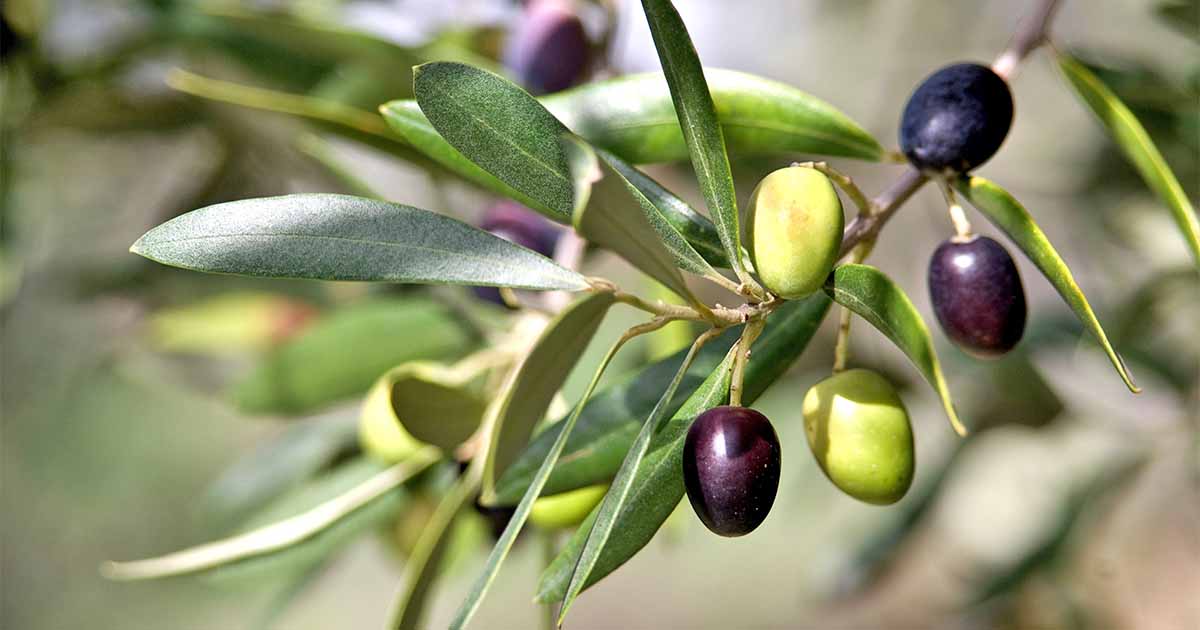
Olive trees (Olea europaea) are evergreen trees that have been cultivated for their fruits, oil, and wood for thousands of years. They are native to the Mediterranean region but can be grown in other warm climates with well-drained soil and full sun.
Olive trees are relatively easy to care for, but they do have some specific requirements. The following guide will provide you with all the information you need to plant, grow, and maintain a healthy olive tree.
Soil Conditions
Olive trees prefer well-drained soil with a pH between 6.0 and 8.5. The soil should be loose and friable, and it should not be too wet or too dry. If the soil is too wet, the roots of the tree can rot. If the soil is too dry, the tree will not be able to get the water it needs to grow.
Watering Requirements
Olive trees are drought-tolerant, but they do need to be watered regularly, especially during the hot summer months. The amount of water you need to give your tree will depend on the climate you live in and the size of the tree. As a general rule, you should water your tree deeply once a week during the summer months. You can water less frequently during the winter months.
Sunlight Exposure
Olive trees need full sun to grow properly. They should be planted in a location that receives at least six hours of direct sunlight per day.
Pruning Techniques
Olive trees should be pruned regularly to keep them healthy and productive. Pruning helps to remove dead or diseased branches, encourage new growth, and improve the tree’s shape. The best time to prune olive trees is in the late winter or early spring, before the new growth begins.
Pest and Disease Management
Olive trees are relatively resistant to pests and diseases, but they can be affected by a few common problems. These problems include:
- Olive fruit fly
- Olive scale
- Verticillium wilt
There are a number of natural and organic methods that can be used to control these pests and diseases. These methods include:
- Using insecticidal soap to kill pests
- Applying neem oil to repel pests
- Using compost tea to improve the soil’s health and resistance to disease
Olive Tree Varieties and Uses: Live Olive Tree Plant
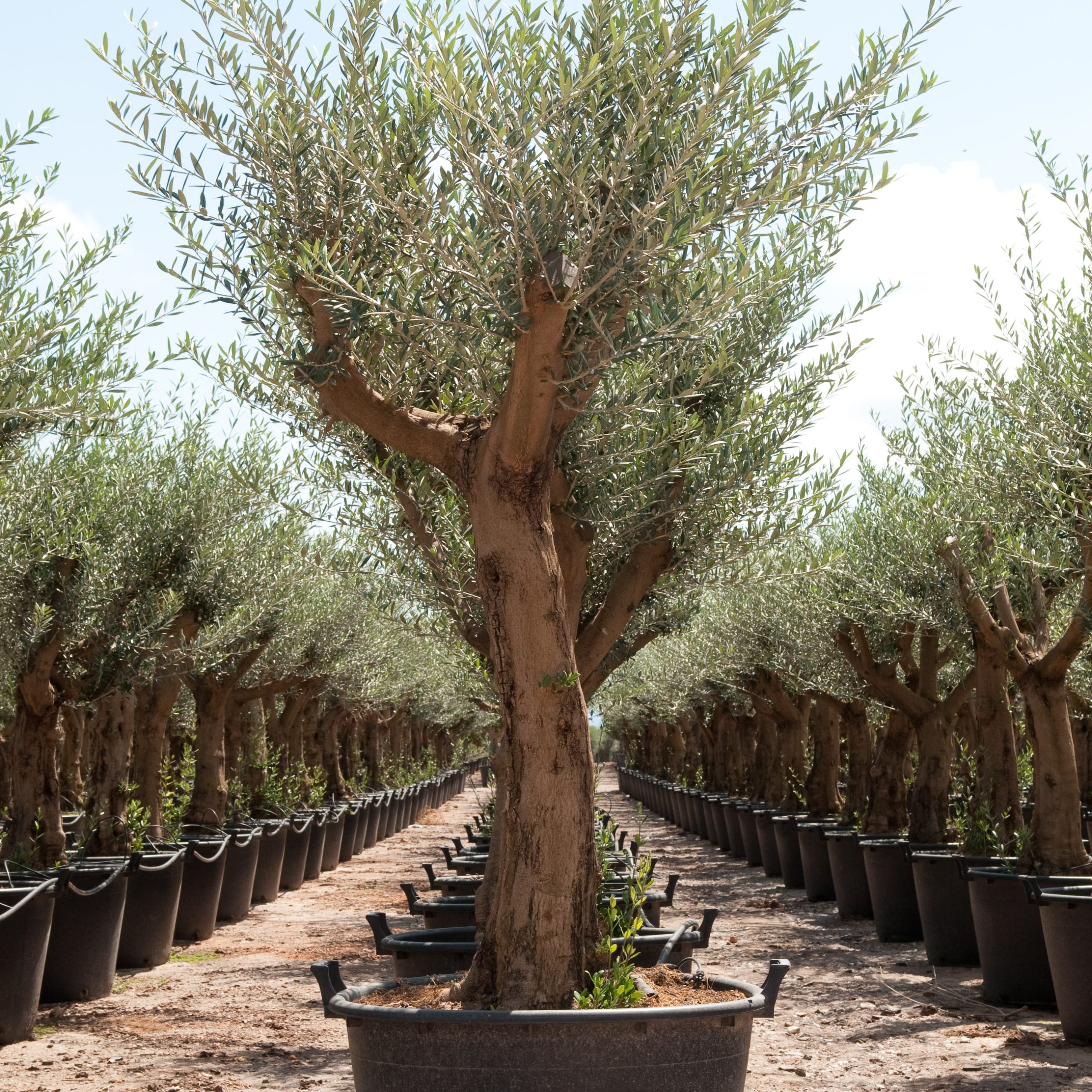
Olive trees, revered for their resilience and longevity, come in a diverse array of varieties, each boasting unique characteristics that cater to specific cultivation needs and culinary preferences. These varieties have played a pivotal role in shaping the cultural landscapes and cuisines of various regions for millennia.
Culinary Delights: Olives and Olive Oil
Olives, the fruits of the olive tree, are a versatile culinary delight, enjoyed fresh, brined, or pressed into the highly prized olive oil. Olives are a rich source of healthy fats, particularly monounsaturated fatty acids, which have been linked to numerous health benefits, including reduced risk of cardiovascular disease and inflammation.
Olive oil, extracted from pressed olives, is a staple in Mediterranean cuisine and beyond. It is renowned for its delicate flavor, rich nutritional profile, and versatility in cooking. Olive oil is a good source of antioxidants, including polyphenols, which have been shown to protect against oxidative stress and chronic diseases.
Historical and Cultural Significance
Olive trees hold deep cultural and historical significance in many regions. In ancient Greece, the olive tree was sacred to the goddess Athena and symbolized peace, wisdom, and prosperity. Olive branches were used as symbols of victory and were awarded to athletes in the Olympic Games.
In the Mediterranean region, olive trees have been cultivated for centuries, shaping the landscape and providing a vital source of food and income. Olive oil has been used for centuries as a cooking oil, lamp fuel, and in religious ceremonies.
Varieties and Cultivation
There are hundreds of olive tree varieties, each with its own unique characteristics and cultivation requirements. Some popular varieties include:
- Arbequina: A small, Spanish variety known for its high oil yield and mild, fruity flavor.
- Kalamata: A Greek variety known for its large, dark-purple olives with a slightly bitter and salty taste.
- Mission: A California variety known for its large, black olives and high oil content.
- Picual: A Spanish variety known for its high polyphenol content and robust, peppery flavor.
- Frantoio: An Italian variety known for its high oil yield and balanced flavor.
When choosing an olive tree variety, it is important to consider factors such as climate, soil conditions, and desired use. Olive trees are generally well-suited to warm, Mediterranean climates with well-drained soil.
Olive Tree Design and Landscaping

Olive trees, with their timeless elegance and architectural form, offer a wealth of design possibilities in landscaping. Whether adorning formal gardens, Mediterranean-inspired courtyards, or modern outdoor spaces, these trees bring a touch of history, beauty, and practicality.
Specimen Plants
As specimen plants, olive trees stand out as captivating focal points. Their gnarled trunks, silvery-green foliage, and sculptural silhouette create a striking presence in any landscape. They can be placed as solitary accents on a lawn, framed by a bed of fragrant herbs, or positioned near a water feature to reflect their graceful form.
Hedges and Screens
Olive trees are also versatile hedging plants, forming dense, evergreen barriers that provide privacy and define outdoor spaces. Their dense foliage and slow growth habit make them easy to maintain, requiring minimal pruning to keep their shape. Olive tree hedges can be used to delineate property lines, create intimate courtyards, or provide a windbreak for delicate plants.
Shade Providers, Live olive tree plant
The dense canopy of an olive tree offers welcome shade during the hot summer months. They can be planted as shade trees over patios, seating areas, or swimming pools, providing a cool and inviting retreat. The dappled sunlight filtering through the leaves creates a serene and relaxing atmosphere.
Companion Planting
Olive trees thrive in the company of other Mediterranean plants, creating harmonious outdoor spaces. They pair well with lavender, rosemary, thyme, and sage, which share similar water and soil requirements. These companion plants not only enhance the visual appeal of the landscape but also attract beneficial insects and pollinators.
Focal Points
Incorporating olive trees as focal points in landscaping designs adds depth and character to outdoor spaces. They can be positioned near architectural features such as pergolas, fountains, or statues, creating a sense of balance and unity. By highlighting the unique attributes of olive trees, designers can create landscapes that are both visually appealing and evocative of the Mediterranean’s rich cultural heritage.