Prepare to be captivated by the mass cane house plant, an indoor gardening marvel that seamlessly blends scientific precision with artistic flair. Its lush, variegated foliage and air-purifying prowess make it an ideal choice for homes and offices alike.
This comprehensive guide will delve into the fascinating world of mass cane house plants, providing valuable insights into their care, maintenance, and creative applications. From watering techniques to pest control, we’ve got you covered. Let’s embark on a botanical adventure that will transform your living spaces into vibrant, healthy oases.
General Information about Mass Cane House Plants
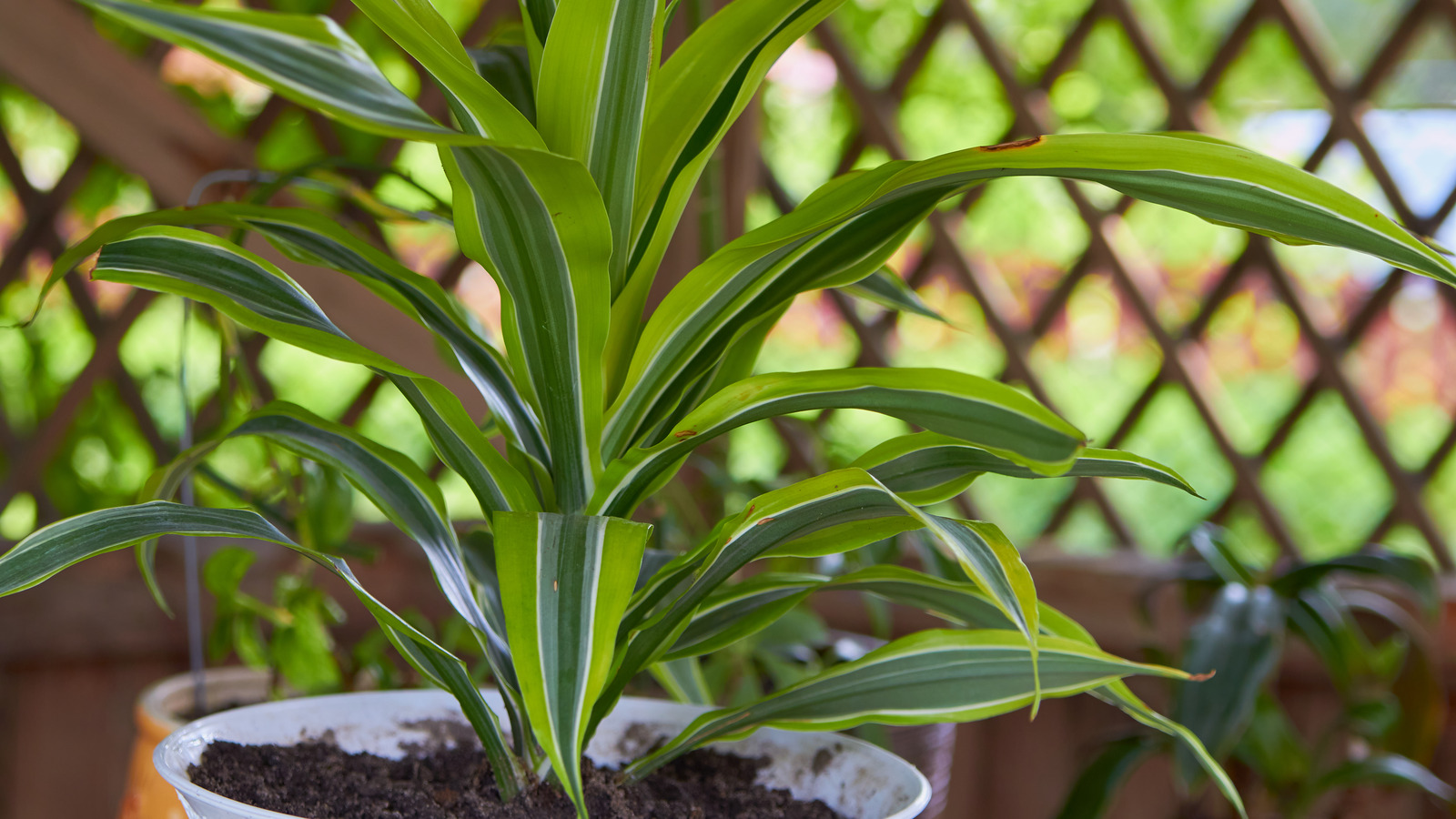
The mass cane house plant (Dracaena fragrans) is a popular indoor plant prized for its attractive foliage and air-purifying qualities. Originating from tropical Africa, this plant features long, slender, sword-shaped leaves that grow in a rosette pattern from a central stem. Its glossy green leaves have a distinctive cream or white stripe running down the center, adding a touch of elegance to any space.
Ideal Growing Conditions
Mass cane house plants thrive in bright, indirect light but can tolerate low light conditions. They prefer warm temperatures between 65-85°F (18-29°C) and high humidity. Regular misting or placing the plant on a pebble tray filled with water can help increase humidity levels. Well-draining soil is essential to prevent root rot.
Benefits of Growing Mass Cane House Plants
In addition to their aesthetic appeal, mass cane house plants offer several benefits. They are known for their ability to remove harmful toxins, such as formaldehyde and benzene, from the air, improving indoor air quality. Studies have also shown that the presence of plants in indoor spaces can reduce stress and improve mood.
Care and Maintenance of Mass Cane House Plants

Mass cane house plants are generally low-maintenance and easy to care for, but following proper watering, fertilizing, and propagation techniques will ensure their optimal growth and health. Additionally, being aware of common pests and diseases that can affect these plants will help you prevent and treat any issues that may arise.
Watering
Water your mass cane house plant when the top 2-3 inches of soil feel dry to the touch. Avoid overwatering, as this can lead to root rot. During the growing season (spring and summer), water more frequently, about once a week. Reduce watering in the fall and winter months, to about once every 10-14 days.
Fertilizing
Fertilize your mass cane house plant monthly during the growing season with a balanced liquid fertilizer. Dilute the fertilizer to half strength and apply it to the soil. Avoid fertilizing in the fall and winter months.
Propagation
Mass cane house plants can be propagated through division or stem cuttings.
- Division: Carefully remove the plant from its pot and divide the root ball into smaller sections. Each section should have at least one stem and a few roots. Plant the divisions in individual pots with fresh potting mix.
- Stem cuttings: Take a 4-6 inch stem cutting from a healthy plant. Remove the leaves from the bottom inch or two of the stem. Dip the end of the cutting in rooting hormone and plant it in a pot with moist potting mix. Keep the cutting warm and humid, and it should root in 4-6 weeks.
Common Pests and Diseases
Mass cane house plants are generally resistant to pests and diseases, but they can be affected by:
- Mealybugs: These small, white insects feed on the sap of plants, causing leaves to turn yellow and drop. Treat mealybugs with insecticidal soap or neem oil.
- Spider mites: These tiny, red or brown mites feed on the undersides of leaves, causing them to turn yellow and stippled. Treat spider mites with insecticidal soap or horticultural oil.
- Root rot: This fungal disease is caused by overwatering. Symptoms include yellowing leaves, wilting, and stunted growth. Treat root rot by repotting the plant in fresh potting mix and reducing watering.
Creative Uses and Design Ideas for Mass Cane House Plants
Mass cane house plants, with their graceful arching fronds and lush foliage, offer endless possibilities for creative interior design. From making a bold statement to creating a serene oasis, these versatile plants can transform any space into a verdant haven.
Statement Pieces
Showcase mass cane house plants as captivating focal points in your living room or entryway. Position them in large planters or decorative baskets to create a dramatic effect. Their towering height and cascading foliage will instantly draw attention and add a touch of elegance to any room.
Living Walls, Mass cane house plant
Create a stunning living wall by installing mass cane house plants on a vertical support structure. This space-saving solution brings nature indoors and adds a touch of greenery to even the smallest of spaces. Use different varieties of mass cane plants with varying leaf shapes and colors to create a dynamic and visually appealing display.
Room Settings
- Living Room: Mass cane house plants add a touch of tranquility to living rooms, creating a relaxing and inviting atmosphere. Place them near windows to maximize natural light and enjoy their lush foliage.
- Bedroom: Bring a touch of nature into your bedroom with a mass cane house plant. Its air-purifying qualities can help improve sleep and create a calming ambiance.
- Office: Mass cane house plants can boost productivity and creativity in office spaces. Their tall stature and graceful fronds can help reduce stress and create a more focused environment.
Aesthetic Appeal
Mass cane house plants complement a wide range of home decor styles, from modern to traditional. Their clean lines and understated elegance make them a perfect choice for minimalist or contemporary interiors. Their lush foliage and tropical vibes add a touch of exotic flair to bohemian or eclectic spaces.