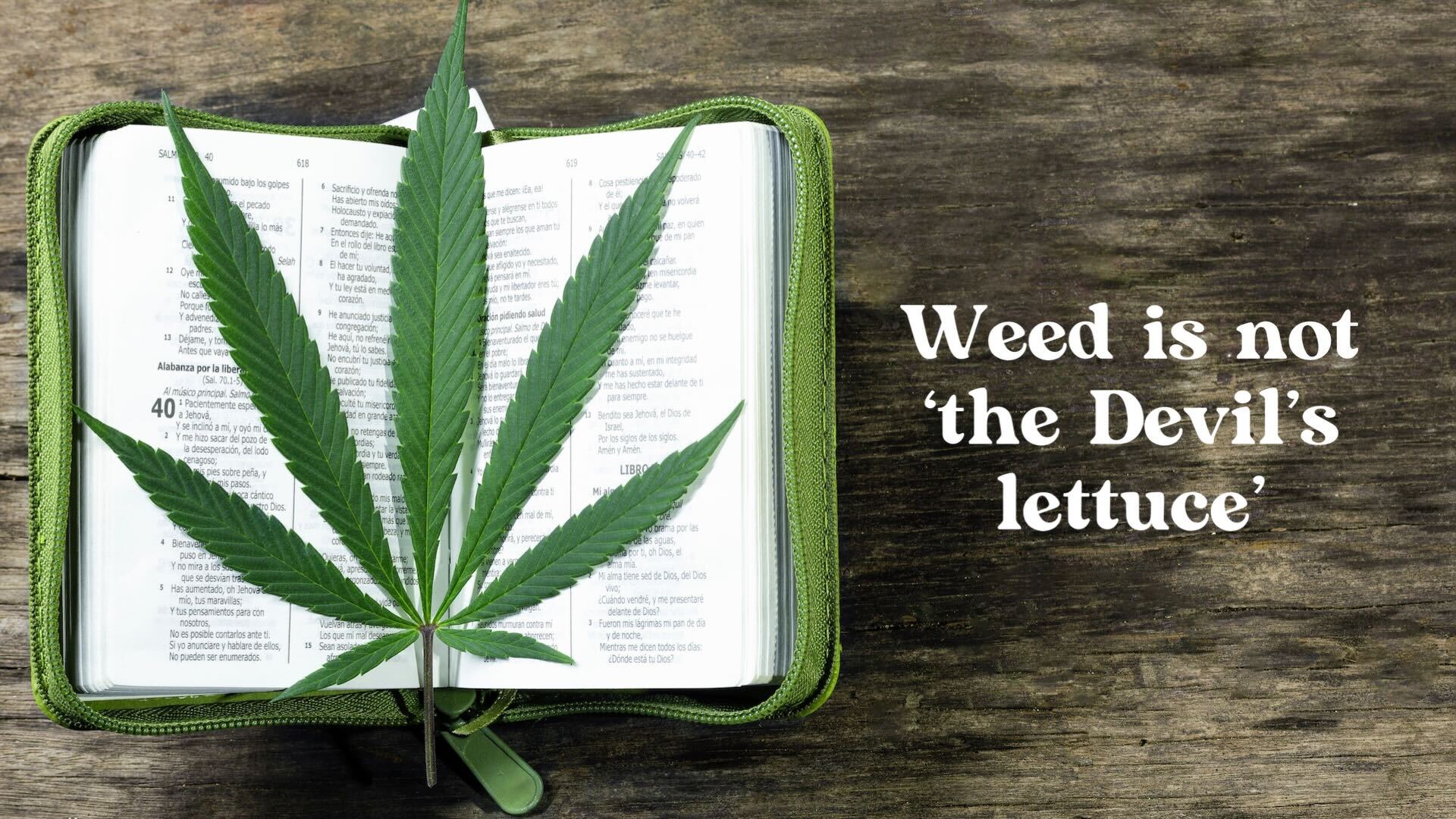
The devil’s lettuce plant, a captivating botanical subject, invites us to delve into its fascinating world. From its unique taxonomic classification to its profound physiological and psychological effects, this plant has garnered both curiosity and controversy. Join us as we unravel the complexities of the devil’s lettuce plant, examining its botanical characteristics, chemical composition, and the multifaceted cultural and legal aspects surrounding its use.
In this comprehensive exploration, we will dissect the plant’s morphology, including its stem, leaves, and flowers. We will delve into the optimal growing conditions, encompassing soil requirements, light exposure, and watering needs. By understanding its botanical foundation, we gain insights into the plant’s resilience and adaptability.
Botanical Characteristics and Cultivation

The devil’s lettuce plant, scientifically classified as Cannabis sativa, belongs to the family Cannabaceae. This versatile plant exhibits a wide range of morphological characteristics and cultivation requirements.
Taxonomic Classification
- Kingdom: Plantae
- Division: Magnoliophyta
- Class: Magnoliopsida
- Order: Rosales
- Family: Cannabaceae
- Genus: Cannabis
- Species: Cannabis sativa
Morphology
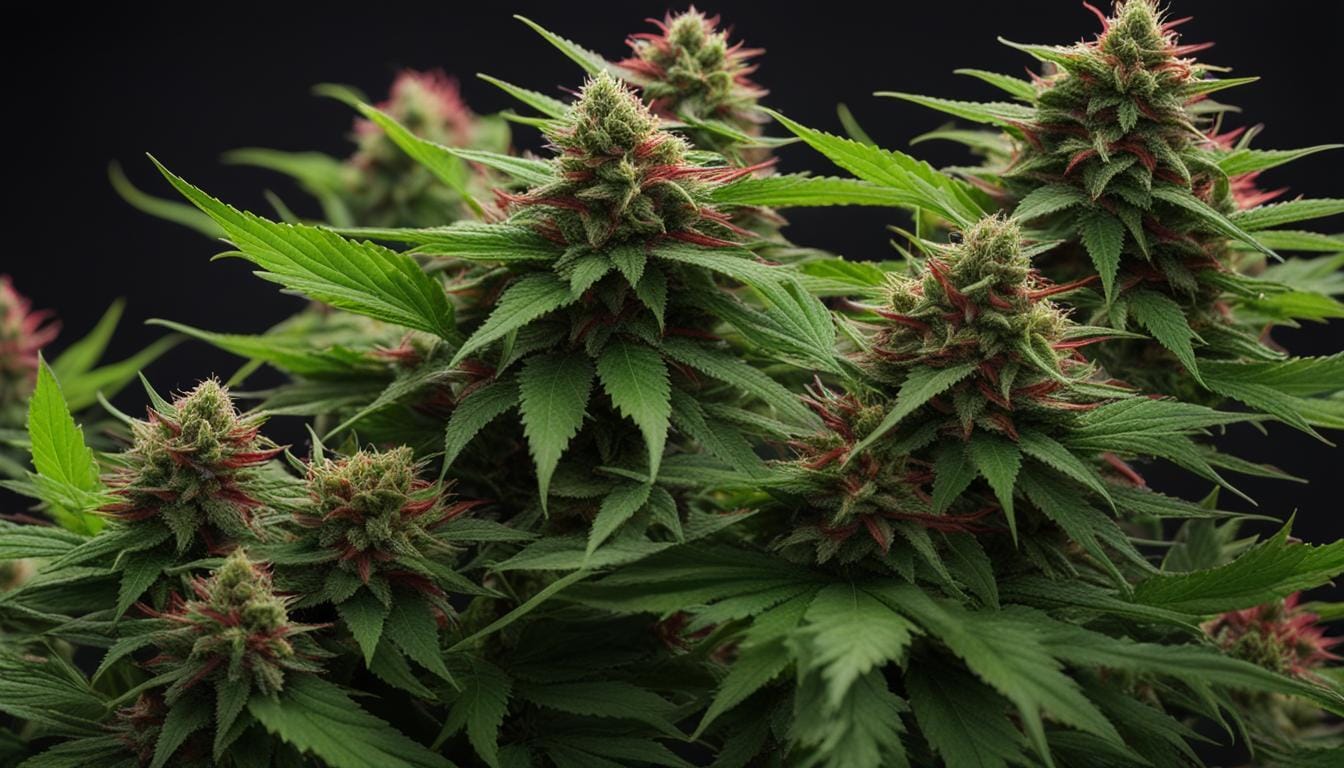
Cannabis sativa is a tall, erect annual herb with a robust stem. Its leaves are palmately compound, consisting of 5-11 lanceolate leaflets with serrated margins. The flowers are small and inconspicuous, with male flowers arranged in panicles and female flowers in axillary clusters.
Growing Conditions
The devil’s lettuce plant thrives in warm, humid climates with ample sunlight. It prefers well-drained, loamy soil with a pH between 6.0 and 7.0. The plant requires regular watering, especially during the vegetative stage.
Chemical Composition and Effects

The devil’s lettuce plant contains a complex mixture of over 500 chemical compounds, including cannabinoids, terpenes, and flavonoids. The primary psychoactive compound in the plant is delta-9-tetrahydrocannabinol (THC), which is responsible for the characteristic “high” associated with cannabis use.
When consumed, THC binds to receptors in the brain’s endocannabinoid system, which is involved in regulating a wide range of physiological and psychological processes, including mood, appetite, pain perception, and memory. THC’s interaction with these receptors produces a variety of effects, including:
Euphoria and Relaxation
THC produces a sense of euphoria and relaxation by activating the brain’s reward pathways. This effect is often accompanied by a decrease in anxiety and stress.
Altered Perception
THC can alter perception, leading to changes in sensory experiences, such as enhanced colors and sounds. It can also produce distortions in time and space, as well as hallucinations in high doses.
Cognitive Impairment
THC can impair cognitive function, including memory, attention, and problem-solving abilities. These effects are typically temporary and diminish as the drug is metabolized.
Therapeutic and Recreational Uses
The devil’s lettuce plant has a long history of use for both therapeutic and recreational purposes. In traditional medicine, it has been used to treat a variety of conditions, including pain, nausea, and anxiety. In modern medicine, THC has been shown to have potential therapeutic benefits for conditions such as chronic pain, multiple sclerosis, and epilepsy.
Recreational use of the devil’s lettuce plant is widespread, with millions of people using it worldwide. The plant is typically smoked, vaped, or ingested in edibles. However, it is important to note that cannabis use can have negative consequences, including addiction, respiratory problems, and mental health issues.
Risks and Side Effects, Devil’s lettuce plant
The devil’s lettuce plant can produce a variety of side effects, including:
- Dry mouth
- Increased heart rate
- Bloodshot eyes
- Dizziness
- Paranoia
- Anxiety
In some cases, cannabis use can also lead to more serious health problems, such as psychosis and schizophrenia. It is important to note that these risks are generally associated with heavy and prolonged use.
Legal and Cultural Aspects: Devil’s Lettuce Plant
The legal status of the devil’s lettuce plant varies significantly across different countries and jurisdictions. In some countries, such as the Netherlands and Canada, recreational use of the plant is legal or decriminalized. In other countries, such as the United States and China, it remains illegal for both recreational and medical purposes. The legal status of the plant is often influenced by cultural and historical factors, as well as by scientific evidence regarding its potential benefits and risks.
Cultural Significance
The devil’s lettuce plant has been used by humans for thousands of years for a variety of purposes, including medicinal, recreational, and spiritual. In some cultures, the plant is considered sacred and is used in religious ceremonies. In other cultures, it is seen as a symbol of rebellion or counterculture. The plant’s cultural significance can vary depending on the region, time period, and social group.
Ethical and Social Implications
The use and regulation of the devil’s lettuce plant raise a number of ethical and social issues. These include concerns about the potential for addiction, the impact on mental health, and the diversion of resources from other public health priorities. There is also debate about the balance between individual liberty and the need to protect public health.