When a tree is planted too deep, its health and stability can be compromised. Understanding the symptoms, consequences, and corrective measures is crucial for ensuring the well-being of your trees. In this comprehensive guide, we delve into the intricacies of planted tree too deep, empowering you with the knowledge to assess, rectify, and prevent this common landscaping error.
Planting a tree too deep can have severe repercussions for its root system and overall health. By delving into the visible symptoms and potential consequences, we establish a solid foundation for understanding the importance of proper planting depth.
Assessing Tree Health and Root System
Identifying whether a planted tree is too deep is crucial for its long-term health. Several visible symptoms can indicate this issue:
- Stunted growth: Trees planted too deep may exhibit slower growth rates compared to their counterparts planted at the proper depth.
- Yellowing leaves: Chlorosis, or yellowing of leaves, can occur due to insufficient root development, which can be a consequence of planting too deep.
- Wilting: Wilting, or the drooping of leaves and branches, can be a sign of water stress caused by impaired root function.
- Leaning: Trees planted too deep may lean or tilt due to the instability caused by shallow roots.
- Bark damage: Bark damage or cracking near the base of the tree can indicate that the root flare is buried too deeply.
Potential Consequences
Planting a tree too deep can have severe consequences for its health and stability:
- Root girdling: When a tree is planted too deep, the roots can become girdled, or constricted, by the surrounding soil. This can restrict water and nutrient uptake, leading to poor growth and potential decline.
- Reduced root development: Planting too deep limits the space available for root growth, resulting in a shallow root system. Shallow roots are more susceptible to drought stress, wind damage, and other environmental factors.
- Increased susceptibility to pests and diseases: Trees with compromised root systems are more vulnerable to attack by pests and diseases, further weakening their overall health.
Examining the Root System
To determine if a tree has been planted too deep, it is necessary to examine the root system. This can be done by carefully excavating the soil around the base of the tree:
- Locate the root flare: The root flare is the point where the trunk of the tree widens into the roots. It should be visible at or slightly above the soil level.
- Check the depth of the root flare: If the root flare is buried more than 2-3 inches below the soil surface, the tree is likely planted too deep.
- Examine the root structure: Healthy roots should be white or cream-colored and firm. If the roots are dark, mushy, or have a foul odor, it could indicate root rot or other problems.
Corrective Measures for Deeply Planted Trees: Planted Tree Too Deep
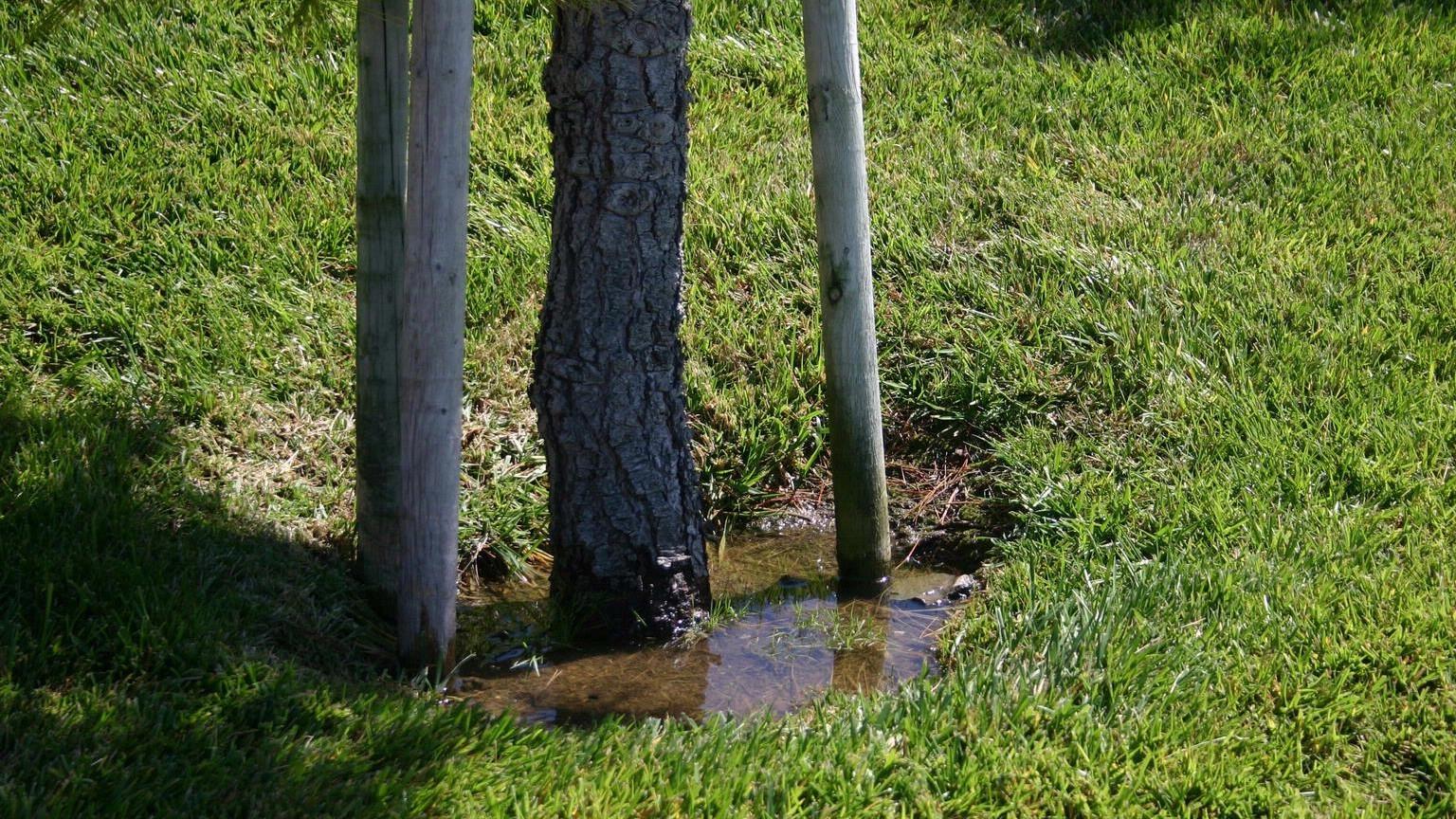
Correcting the planting depth of a tree that has been planted too deeply is crucial for its long-term health and stability. Here are the key steps involved in this process:
Before beginning any corrective measures, it’s essential to assess the tree’s overall health and the extent to which it has been planted too deeply. This will help determine the appropriate course of action and the likelihood of success.
Excavating the Soil
Carefully excavate the soil around the base of the tree using a shovel or spade. Avoid damaging the root system. Dig down until you expose the root flare, which is the point where the trunk widens and the roots begin to spread out.
Pruning Damaged Roots
Once the root flare is exposed, inspect the roots for any damage or girdling. Girdling roots encircle the trunk and can restrict water and nutrient uptake. Carefully prune any damaged or girdling roots using sharp, clean pruning shears.
Backfill Material and Techniques
After pruning the roots, backfill the hole with a mixture of topsoil and compost or other organic matter. Tamp down the soil gently to remove any air pockets and ensure proper drainage. Create a slight mound around the base of the tree to encourage water to drain away from the trunk.
Preventing Future Planting Mistakes
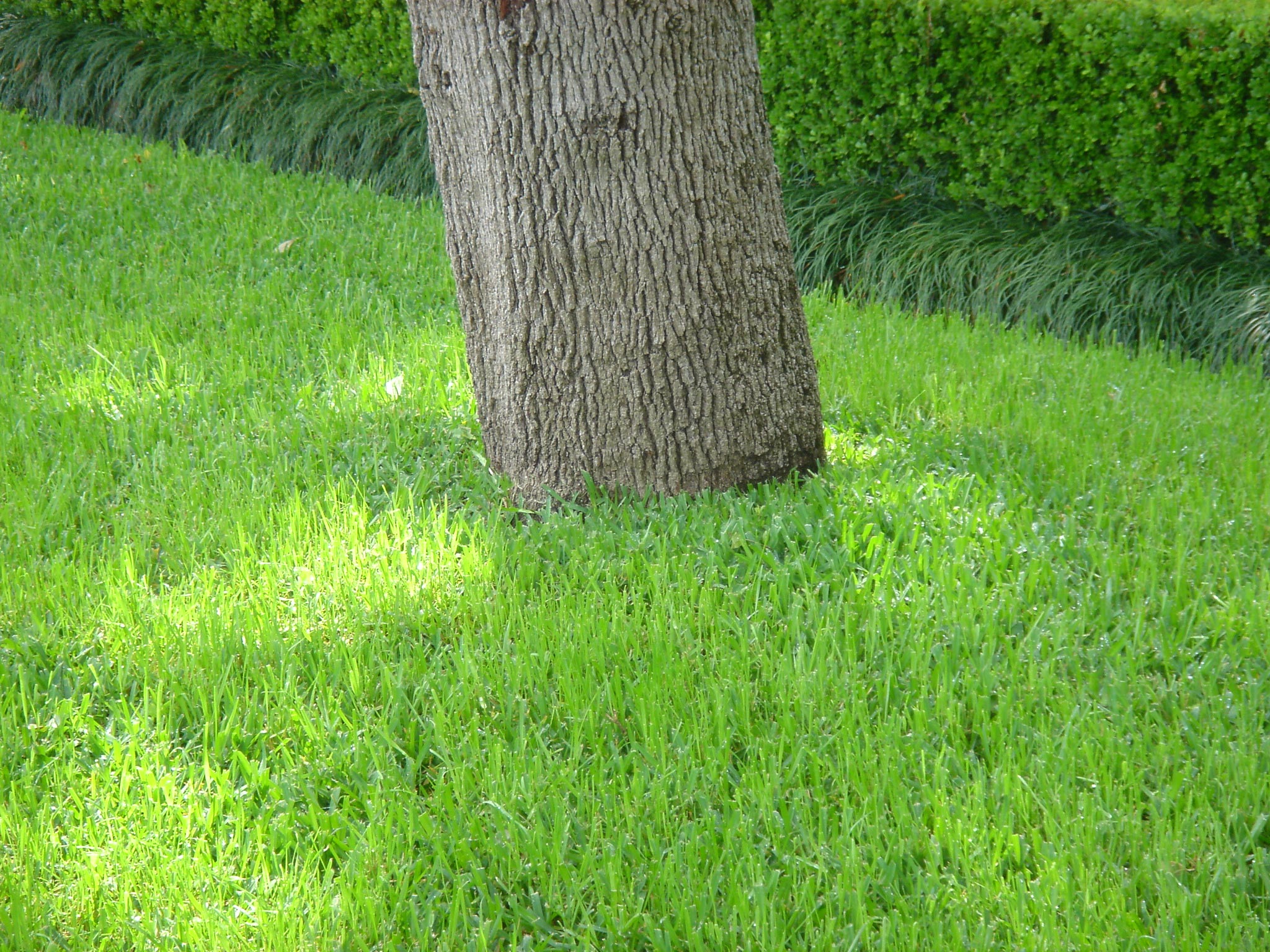
To prevent future planting mistakes and ensure proper tree health, it’s crucial to adhere to optimal planting depths and techniques. Here are some essential tips and guidelines to follow:
Optimal Planting Depth
The optimal planting depth varies depending on the type of tree and soil conditions. The following table provides general guidelines:
| Tree Type | Soil Conditions | Optimal Planting Depth |
|---|---|---|
| Deciduous Trees | Well-drained soil | Root flare at or slightly above ground level |
| Deciduous Trees | Poorly drained soil | Root flare 2-4 inches above ground level |
| Evergreen Trees | Well-drained soil | Root flare at ground level |
| Evergreen Trees | Poorly drained soil | Root flare 2-4 inches above ground level |
Identifying the Root Flare
Before planting a tree, it’s essential to identify the root flare, which is the point where the trunk widens and the roots begin to spread. To locate the root flare:
- Remove any soil or mulch covering the base of the tree.
- Look for a slight swelling or ridge around the trunk.
- This ridge indicates the root flare, and the tree should be planted so that this point is at or slightly above ground level.
Preparing the Planting Hole
To avoid planting trees too deep, it’s crucial to prepare the planting hole properly:
- Dig the hole twice as wide as the root ball but no deeper than the root ball’s height.
- Loosen the soil at the bottom of the hole to create a soft landing for the roots.
- If the soil is compacted, amend it with compost or other organic matter to improve drainage.
Backfilling, Planted tree too deep
When backfilling the planting hole, follow these guidelines:
- Fill the hole with the same soil that was removed, gently tamping it down to eliminate air pockets.
- Create a slight mound of soil around the base of the tree to help retain water and prevent settling.
- Water the tree deeply after planting to settle the soil and remove any remaining air pockets.