The soft fuzzy leaf plant, with its velvety texture and intriguing medicinal properties, invites us on an enthralling journey into the realm of botany. Its unique adaptations and diverse applications make it a captivating subject for exploration.
Delving into the botanical characteristics of this remarkable plant, we discover its distinctive leaf shape, soft texture, and vibrant hues. We unravel the secrets behind its fuzzy appearance and uncover the fascinating growth patterns that shape its existence.
Botanical Characteristics
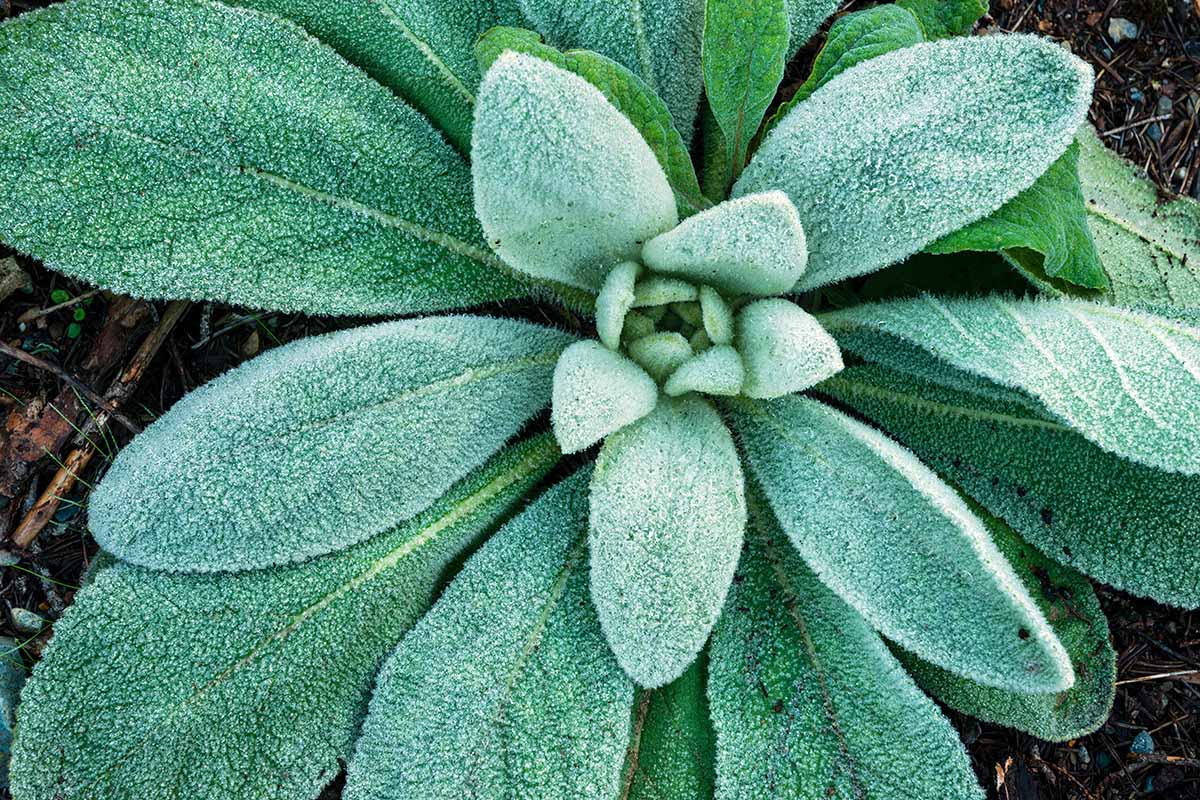
The soft fuzzy leaf plant, scientifically known as Stachys byzantina, is an ornamental perennial known for its velvety, silver-gray foliage. This herbaceous plant belongs to the Lamiaceae family and is native to Turkey and Armenia.
The plant’s leaves are the most distinctive feature, exhibiting a soft and fuzzy texture that contributes to its common name, “lamb’s ear.” The leaves are ovate or heart-shaped, with deeply veined and wrinkled surfaces. They are covered in a dense layer of trichomes, which are tiny, hair-like structures that give the leaves their soft, velvety feel and silvery appearance.
Growth Patterns and Preferred Habitats
The soft fuzzy leaf plant typically grows in dense clumps, reaching heights of 12-18 inches (30-45 cm). It prefers well-drained soils and full sun to partial shade. The plant is relatively low-maintenance and drought-tolerant, making it a popular choice for gardens and landscapes.
Medicinal Properties

The soft fuzzy leaf plant has a rich history of medicinal use in traditional medicine. In recent years, scientific research has confirmed many of the traditional uses and revealed new therapeutic applications for the plant.
Anti-inflammatory Properties
The soft fuzzy leaf plant contains several active compounds with anti-inflammatory properties. These compounds, including flavonoids and terpenes, have been shown to reduce inflammation in the body, which may help to alleviate symptoms of conditions such as arthritis, asthma, and inflammatory bowel disease.
Antioxidant Properties
The soft fuzzy leaf plant is also a rich source of antioxidants. Antioxidants help to protect cells from damage caused by free radicals, which are unstable molecules that can contribute to the development of chronic diseases such as cancer and heart disease.
Antimicrobial Properties
The soft fuzzy leaf plant has been shown to have antimicrobial properties against a variety of bacteria and fungi. This makes it a potential natural remedy for infections.
Other Medicinal Uses
In addition to the above-mentioned properties, the soft fuzzy leaf plant has also been used traditionally to treat a variety of other ailments, including:
- Digestive problems
- Skin conditions
- Respiratory problems
- Stress and anxiety
Horticultural Applications: Soft Fuzzy Leaf Plant
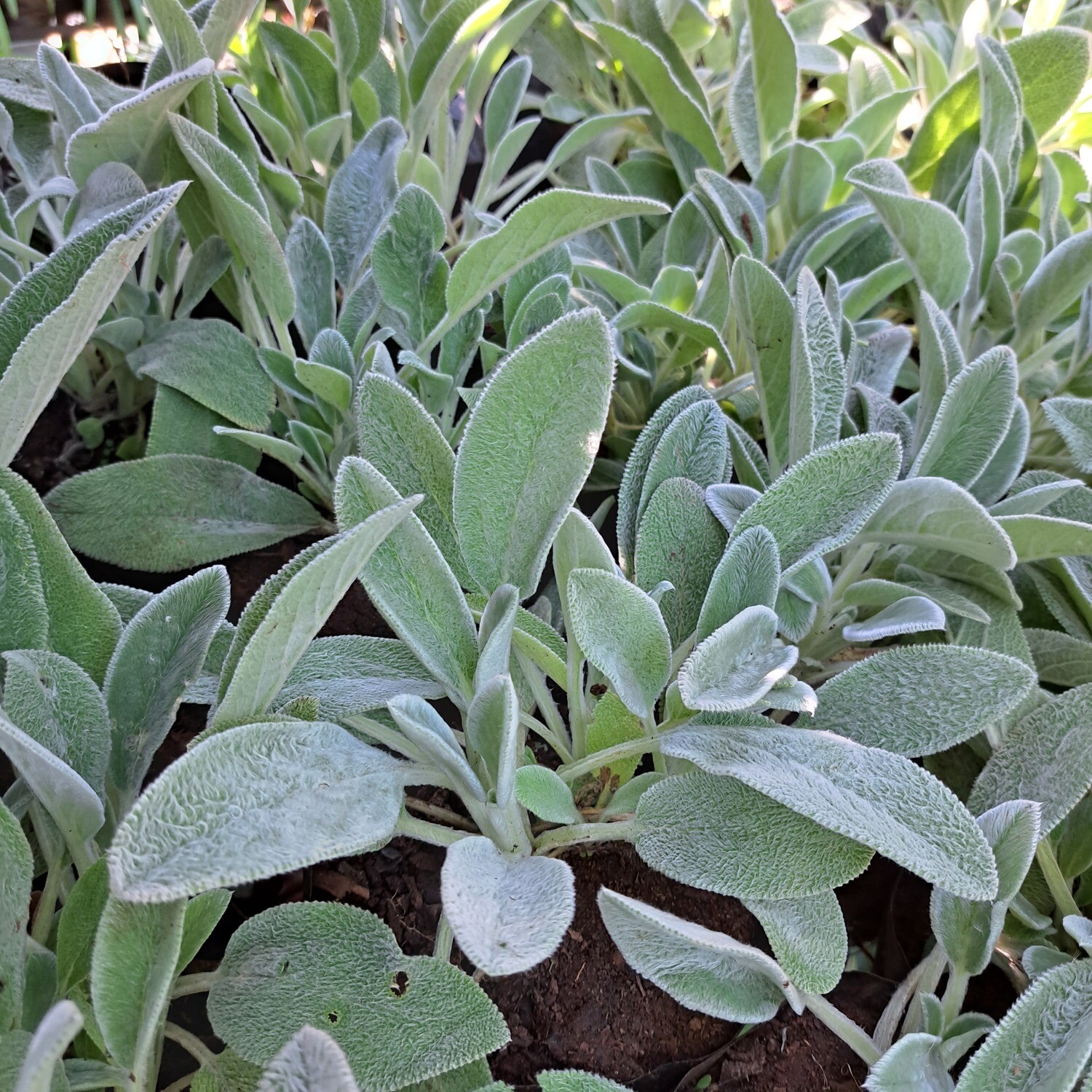
The soft fuzzy leaf plant is a versatile and easy-to-grow plant that can be used in a variety of horticultural applications. It is a popular choice for indoor and outdoor gardens, as well as for landscaping projects.
The plant prefers to grow in well-drained soil that is rich in organic matter. It can tolerate a wide range of pH levels, but it grows best in slightly acidic soil. The plant should be watered regularly, but it is important to avoid overwatering. The plant should be fertilized every few weeks during the growing season.
Planting
The soft fuzzy leaf plant can be planted from seed or from cuttings. If you are planting from seed, sow the seeds in a well-drained seed starting mix. Keep the seeds moist and warm, and they will germinate in about two weeks. Once the seedlings have developed their first set of true leaves, they can be transplanted into individual pots.
If you are planting from cuttings, take a cutting from a healthy stem. The cutting should be about 4 inches long and it should have at least two sets of leaves. Remove the leaves from the bottom of the cutting and then dip the end of the cutting in rooting hormone. Plant the cutting in a well-drained potting mix and keep it moist. The cutting will root in about two to three weeks.
Watering
The soft fuzzy leaf plant should be watered regularly, but it is important to avoid overwatering. The plant should be watered when the top inch of soil is dry to the touch. Water the plant deeply, and then allow the soil to dry out before watering again.
Fertilizing
The soft fuzzy leaf plant should be fertilized every few weeks during the growing season. Use a balanced fertilizer that is diluted to half strength. Fertilize the plant according to the directions on the fertilizer label.
Landscaping, Soft fuzzy leaf plant
The soft fuzzy leaf plant can be used in a variety of landscaping applications. It is a popular choice for groundcovers, borders, and mass plantings. The plant can also be used in containers and hanging baskets.
Here are a few creative ideas for incorporating the soft fuzzy leaf plant into different landscaping designs:
- Use the plant as a groundcover in a shady area.
- Plant the plant along a border to create a soft, fuzzy edge.
- Mass plant the plant to create a dramatic effect.
- Use the plant in containers or hanging baskets to add a touch of softness to your patio or deck.
