
Soil for house plants is a crucial element that sets the foundation for their health and growth. Understanding its characteristics, types, and DIY mixtures is essential for every plant enthusiast. This comprehensive guide delves into the intricacies of soil for house plants, providing practical insights and scientific facts to help you cultivate thriving indoor greenery.
From drainage and aeration to pH levels and nutrient content, we’ll explore the essential soil characteristics that impact plant health. We’ll also delve into different types of soil, such as potting mix, peat moss, and coco coir, highlighting their unique properties and benefits.
Essential Soil Characteristics for House Plants
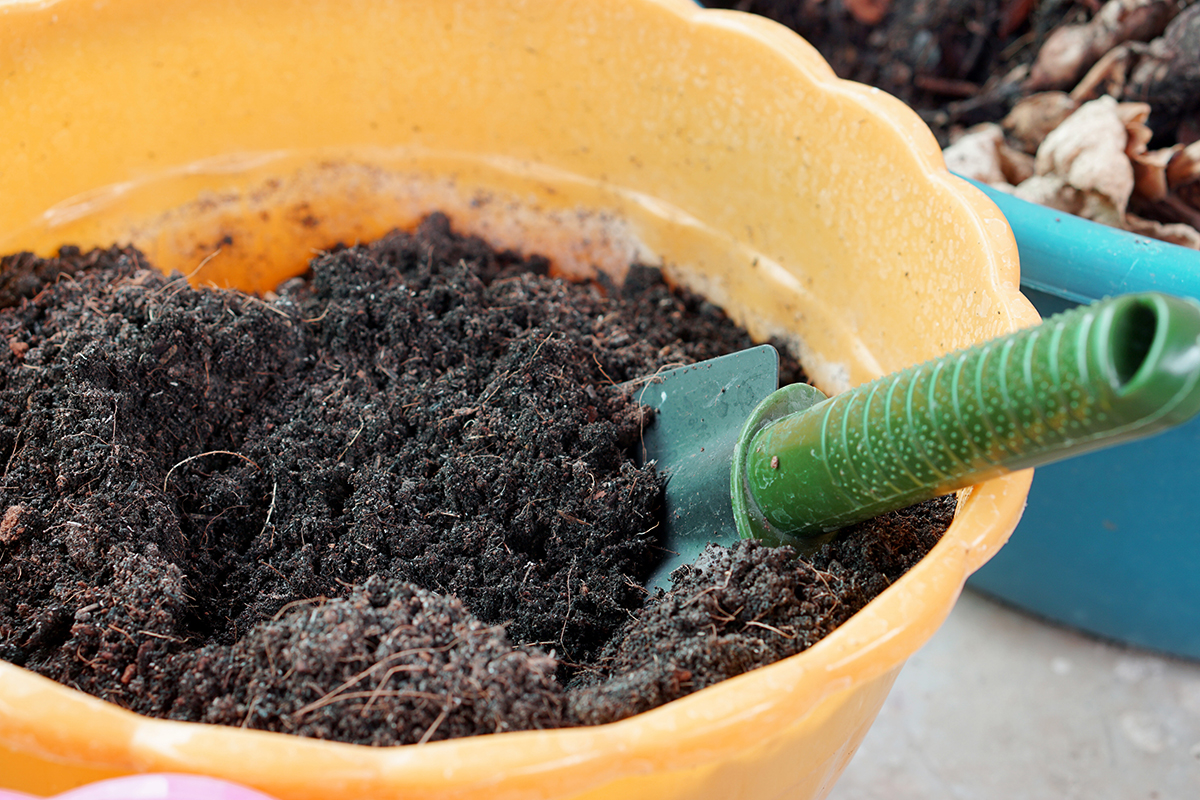
The health and growth of house plants are heavily influenced by the soil in which they are planted. To ensure optimal plant health, it is crucial to understand the essential soil characteristics and how they impact plant growth.
Drainage, Soil for house plants
Proper drainage is vital for preventing root rot and other soil-borne diseases. Soil should allow excess water to drain freely, preventing waterlogging. Sandy or loamy soils have good drainage, while clay soils tend to retain water, requiring amendments like perlite or vermiculite to improve drainage.
Aeration
Soil aeration refers to the presence of air spaces within the soil. Roots require oxygen for respiration, and well-aerated soil facilitates oxygen diffusion. Compacted soils restrict air movement, leading to root suffocation. Mixing organic matter like peat moss or compost into the soil helps improve aeration.
pH
Soil pH measures the acidity or alkalinity of the soil. Most houseplants prefer slightly acidic to neutral soil (pH 6.0-7.0). Soil pH affects nutrient availability, as certain nutrients are only available within specific pH ranges.
Nutrient Content
Soil should provide essential nutrients for plant growth, including nitrogen, phosphorus, potassium, and micronutrients. Nutrient-rich soils support healthy plant growth and development. Soil testing can determine nutrient levels and guide appropriate fertilization.
Types of Soil for House Plants

When selecting soil for house plants, it’s crucial to consider the specific needs of each plant species and the growing conditions. Different types of soil possess unique properties that can significantly impact plant growth and health. Here’s a comprehensive guide to the most commonly used soil types for house plants, along with their benefits and drawbacks:
Potting Mix
Potting mix is a pre-blended soil specifically designed for container gardening. It typically consists of a combination of organic matter (such as peat moss, compost, or bark), perlite, vermiculite, and sometimes sand. Potting mix offers a balanced blend of drainage, aeration, and moisture retention, making it suitable for a wide range of house plants.
Peat Moss
Peat moss is a partially decomposed sphagnum moss that is highly absorbent and retains moisture well. It is often used as a soil amendment to improve water retention in sandy soils or to lighten heavy clay soils. However, peat moss has a low pH and can become compacted over time, which can restrict root growth.
Perlite
Perlite is a lightweight, volcanic rock that is heated to create tiny, white granules. It is used to improve drainage and aeration in soil, as it does not absorb water. Perlite is particularly beneficial for plants that prefer well-drained soil, such as succulents and cacti.
Vermiculite
Vermiculite is a mineral that is heated to create a lightweight, flaky material. Like perlite, it is used to improve drainage and aeration in soil, but it also has the ability to absorb and retain water. Vermiculite is often used in potting mixes for moisture-loving plants, such as ferns and begonias.
Coco Coir
Coco coir is a natural fiber made from the husks of coconuts. It is a sustainable and eco-friendly alternative to peat moss, as it has similar water retention properties but is more durable and does not compact. Coco coir is also a good source of nutrients for plants.
DIY Soil Mixtures for House Plants
Creating customized soil mixtures allows you to tailor the growing environment to the specific needs of your house plants. This can improve plant health, growth, and overall appearance. There are three main types of DIY soil mixtures: organic, inorganic, and slow-release fertilizer blends.
Organic Soil Mixtures
Organic soil mixtures are made from natural materials such as peat moss, compost, and bark. These mixtures are rich in nutrients and organic matter, which helps to improve soil structure and water retention. Organic soil mixtures are also relatively inexpensive and easy to make. However, they can be heavy and may decompose over time, which can lead to compaction and nutrient depletion.
Inorganic Soil Mixtures
Inorganic soil mixtures are made from materials such as perlite, vermiculite, and sand. These mixtures are lightweight and well-draining, which makes them ideal for plants that prefer drier conditions. Inorganic soil mixtures are also relatively inexpensive and easy to make. However, they can be low in nutrients and may require more frequent fertilization.
Slow-Release Fertilizer Blends
Slow-release fertilizer blends are made from a combination of organic and inorganic materials, as well as slow-release fertilizers. These mixtures provide a steady supply of nutrients to plants over a period of time, which can help to reduce the need for frequent fertilization. Slow-release fertilizer blends are more expensive than organic or inorganic soil mixtures, but they can be more convenient and effective.
