Embark on an enchanting journey into the world of oreja de ratón planta, a botanical marvel that captivates with its unique characteristics and diverse applications. From its humble origins to its medicinal and culinary significance, this remarkable plant weaves a tapestry of history, science, and cultural traditions.
With its captivating appearance and intriguing properties, oreja de ratón planta has garnered attention from botanists, herbalists, and culinary enthusiasts alike. Its distinctive physical attributes, coupled with its medicinal and culinary versatility, make it a subject worthy of exploration.
Botanical Overview of Oreja de Ratón Planta
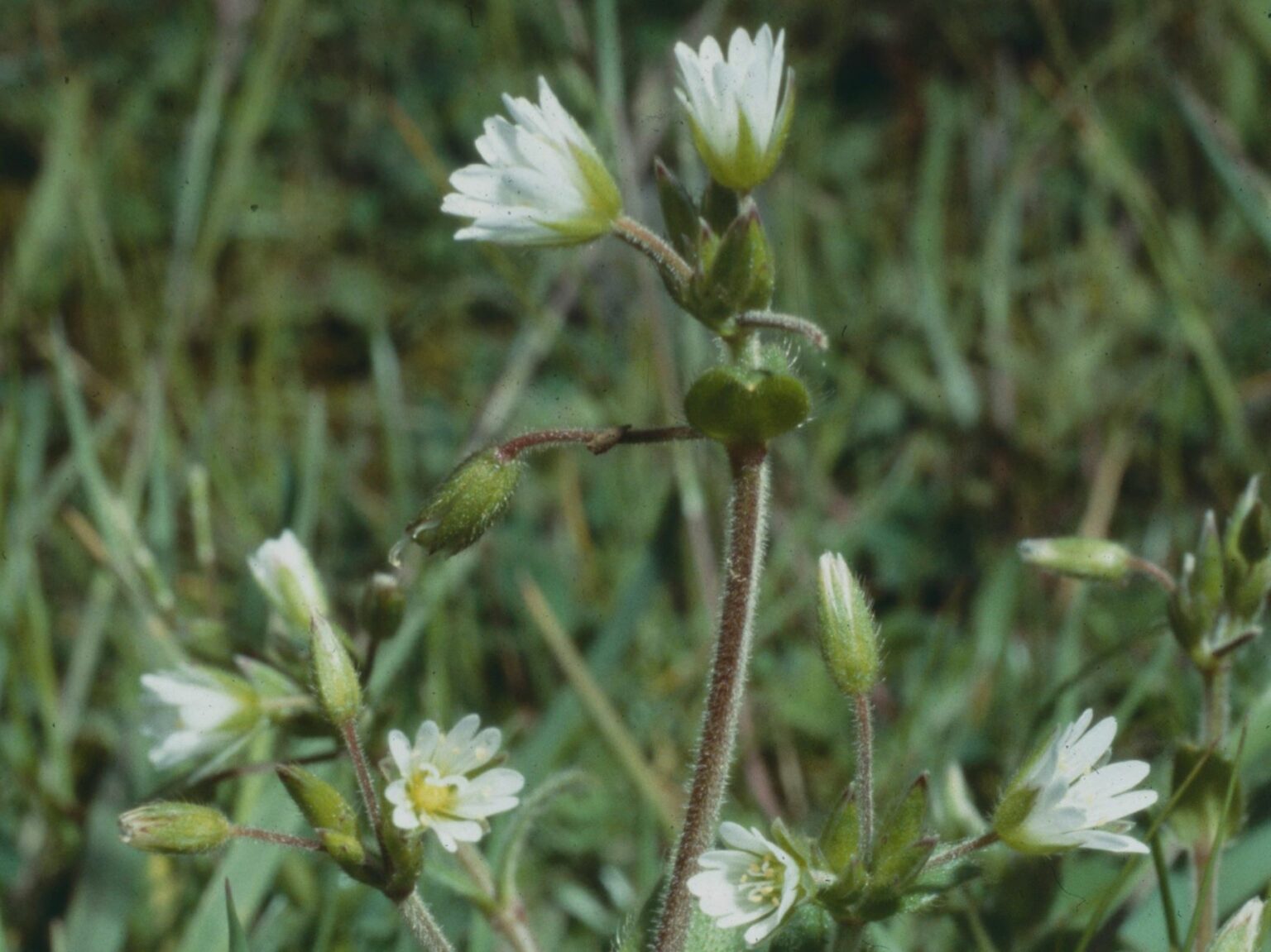
Oreja de Ratón Planta, scientifically known as Emilia fosbergii, is a flowering plant belonging to the Asteraceae family. It is native to the Galápagos Islands and is commonly found in the arid regions of the archipelago.
This plant is characterized by its small size, reaching a height of only 10-20 cm. It has a slender, erect stem with alternate, lanceolate leaves that are 2-5 cm long. The leaves are covered with short, white hairs that give them a velvety appearance.
Natural Habitat and Distribution, Oreja de ratón planta
Oreja de Ratón Planta is primarily found in the arid lowlands of the Galápagos Islands, where it grows in open areas, such as grasslands and rocky slopes. It is well-adapted to the harsh conditions of the region, including high levels of salinity and low water availability.
The plant has a limited distribution and is only found in the Galápagos Islands. It is considered an endemic species, meaning it is not found anywhere else in the world.
Cultivation Requirements
Oreja de Ratón Planta is relatively easy to cultivate and can be grown in a variety of environments. It prefers well-drained soil with a pH of 6.5-7.5. The plant requires full sun to partial shade and moderate watering.
It is often used as an ornamental plant in gardens and landscapes. The plant’s attractive foliage and small, white flowers make it a popular choice for borders and rock gardens.
Traditional and Medicinal Uses of Oreja de Ratón Planta

Oreja de Ratón Planta has a rich history of traditional uses, particularly in indigenous cultures. Traditionally, the plant has been employed for a variety of medicinal purposes, including the treatment of wounds, infections, and respiratory ailments.
Antimicrobial Properties
Scientific research has substantiated the antimicrobial properties of Oreja de Ratón Planta. Studies have demonstrated its effectiveness against a range of bacteria, including Staphylococcus aureus and Escherichia coli. These findings suggest that the plant may have potential applications in the development of new antibiotics.
Wound Healing
Traditional healers have long used Oreja de Ratón Planta to promote wound healing. Modern research supports this traditional use, as the plant has been shown to accelerate the healing process and reduce inflammation. Its wound-healing properties are attributed to the presence of compounds such as flavonoids and tannins.
Respiratory Health
Oreja de Ratón Planta has been traditionally employed to treat respiratory ailments, such as coughs and asthma. Research has found that the plant contains compounds with bronchodilatory effects, which can help to relax the airways and improve breathing.
Other Medicinal Uses
In addition to the aforementioned medicinal uses, Oreja de Ratón Planta has also been traditionally used to treat a variety of other conditions, including diarrhea, fever, and pain. While scientific evidence supporting these uses is limited, some preliminary studies suggest that the plant may have potential therapeutic effects in these areas.
Culinary and Cosmetic Applications of Oreja de Ratón Planta

Beyond its medicinal uses, oreja de ratón planta possesses culinary and cosmetic applications that enhance its versatility. The plant’s distinct flavor and nutritional value make it a culinary delicacy, while its purported skincare and hair care properties contribute to its cosmetic appeal.
Culinary Applications
Oreja de ratón planta’s leaves are edible and offer a unique culinary experience. Their flavor is often described as a blend of bitter and sour, with a slightly salty aftertaste. Traditionally, the leaves are consumed raw, added to salads, or used as a garnish. In some regions, they are also cooked into soups, stews, and other dishes, adding a distinctive flavor and nutritional value.
Cosmetic Applications
The cosmetic applications of oreja de ratón planta primarily focus on skincare and hair care. The plant’s leaves and extracts are said to possess anti-inflammatory and antioxidant properties, making them beneficial for various skin conditions. In traditional medicine, the leaves are crushed and applied topically to treat wounds, burns, and skin irritations. The plant is also believed to have hair-strengthening properties, and its extracts are incorporated into hair care products to promote hair growth and reduce hair loss.
