
When it comes to indoor plants, the ZZ plant (Zamioculcas zamiifolia) stands out as a low-maintenance champion. But even these resilient plants need the right light conditions to thrive. In this comprehensive guide, we’ll delve into the intricacies of light for ZZ plants, exploring their optimal light requirements, troubleshooting common light-related issues, and providing advanced light management techniques to help you achieve lush, healthy ZZ plants.
Light Requirements for ZZ Plants
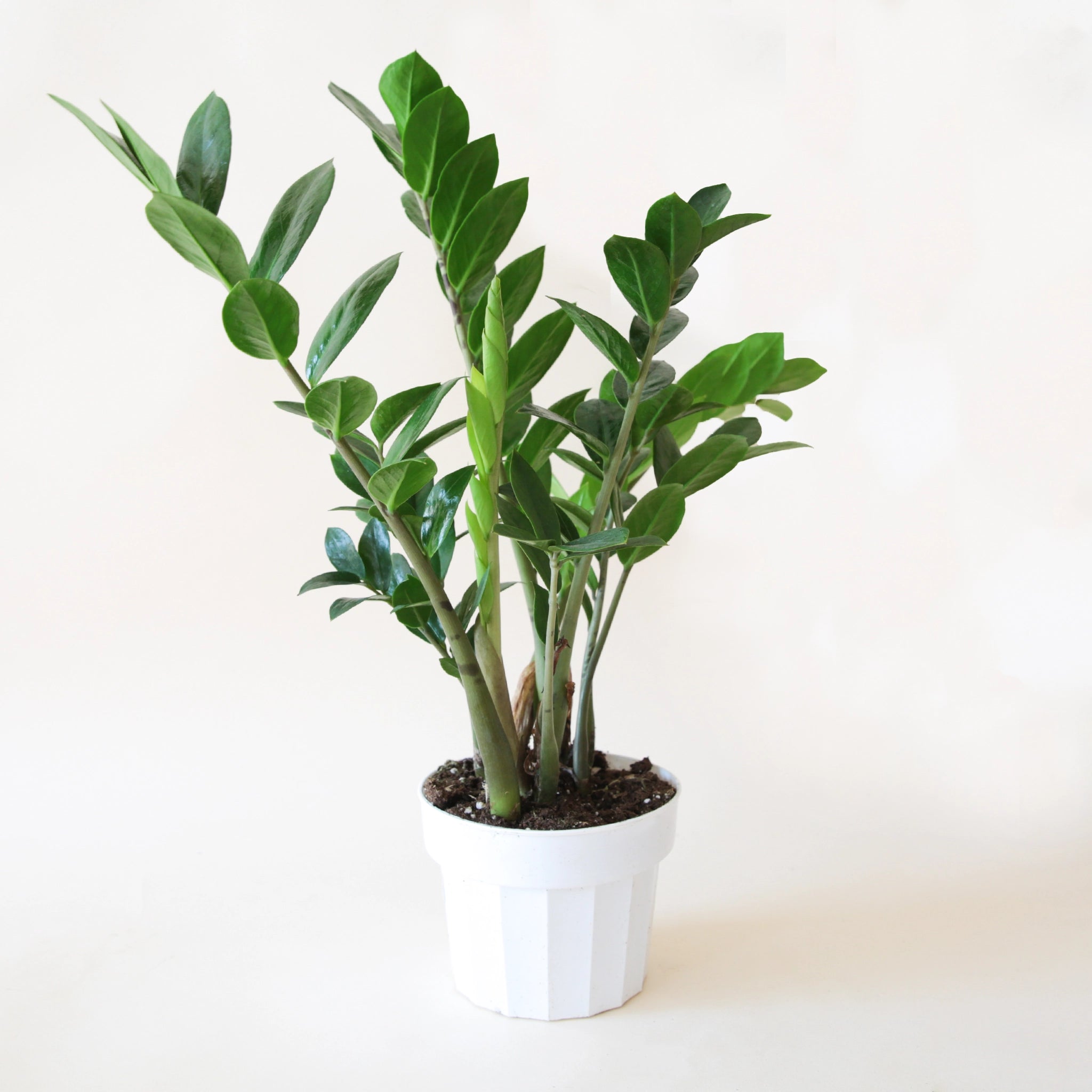
ZZ plants (Zamioculcas zamiifolia) are known for their tolerance to low light conditions, making them popular choices for indoor environments. However, understanding their optimal light requirements can help you maximize their growth and health.
Light Intensity
ZZ plants prefer bright, indirect light. Avoid exposing them to direct sunlight, as this can scorch their leaves and inhibit growth. The ideal light intensity for ZZ plants is around 100-200 foot-candles (fc). You can use a light meter to measure the light intensity in your home or office.
Indirect vs. Direct Sunlight
ZZ plants thrive in indirect sunlight, which is light that has been diffused or reflected by other surfaces before reaching the plant. Direct sunlight, on the other hand, can be too intense and can damage the plant’s leaves. If you place your ZZ plant in a room with direct sunlight, be sure to provide some shade to protect the leaves from burning.
Light-Related Issues in ZZ Plants
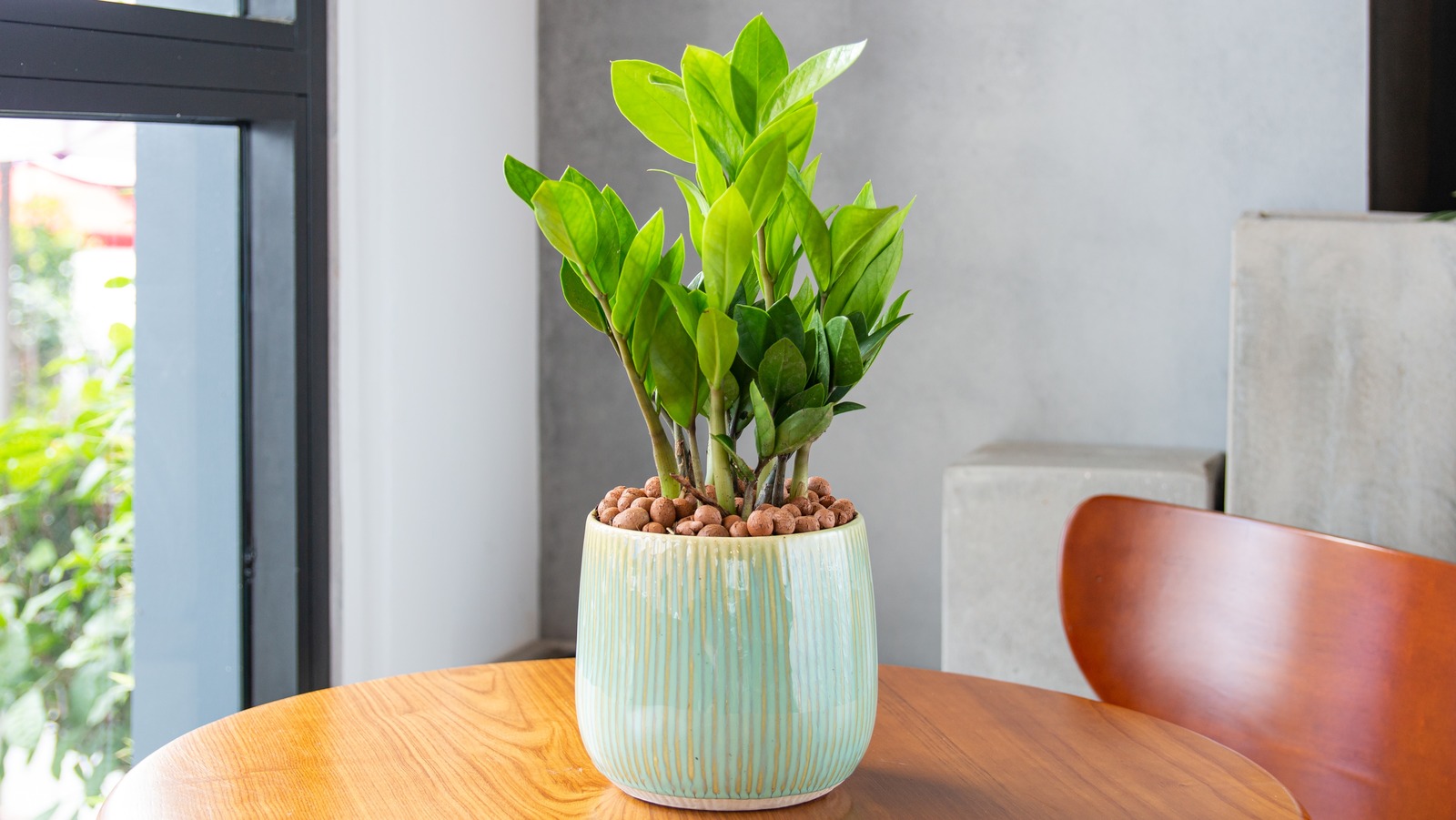
ZZ plants, known for their resilience, can face issues related to insufficient or excessive light. Identifying these problems early on is crucial to maintain their health and prevent further complications.
Yellowing Leaves
Yellowing leaves in ZZ plants can be a sign of light deficiency. Chlorophyll, the pigment responsible for photosynthesis, requires sufficient light to function properly. When light levels are low, chlorophyll production decreases, resulting in the loss of green color and the appearance of yellowing leaves.
Stunted Growth
Stunted growth in ZZ plants can also be attributed to light deficiency. Without adequate light, plants struggle to produce the energy needed for growth and development. This leads to reduced stem elongation and smaller leaves.
Light Deficiency Troubleshooting, Light for zz plant
- Increase light exposure by moving the plant to a brighter location.
- Consider using artificial grow lights to supplement natural light during low-light periods.
- Rotate the plant regularly to ensure even light distribution.
Light Excess Troubleshooting
- Move the plant to a location with indirect or filtered light.
- Use sheer curtains or blinds to reduce the intensity of direct sunlight.
- Monitor the plant for signs of sunburn, such as brown or scorched leaves.
Advanced Light Management for ZZ Plants: Light For Zz Plant
/zz-plant-pot-f34da789c4c14ef7a247ebafcff7e9c3.jpg "Zz Plant Pot Size")
ZZ plants are known for their adaptability, but they can benefit from supplemental lighting in low-light conditions. This guide explores advanced light management techniques, including supplemental lighting options, lighting schedules, and a comparison of different light sources to optimize ZZ plant growth.
Supplemental Lighting Options
Grow lights are a popular supplemental lighting option for ZZ plants. They emit specific wavelengths of light that promote photosynthesis and plant growth. Choose grow lights with a spectrum that mimics natural sunlight, such as full-spectrum or LED grow lights.
Lighting Schedule
Establish a regular lighting schedule to provide consistent light exposure for your ZZ plant. Aim for 12-14 hours of light per day, especially during the winter months when natural light is limited. Adjust the schedule as needed based on the plant’s response and the amount of natural light available.
Light Source Comparison
| Light Source | Spectrum | Cost | Lifespan |
|---|---|---|---|
| Natural Sunlight | Full spectrum | Free | N/A |
| Incandescent Bulbs | Warm, low light intensity | Inexpensive | Short (1,000-2,000 hours) |
| Fluorescent Bulbs | Cool, higher light intensity | Moderate | Medium (6,000-10,000 hours) |
| LED Grow Lights | Full spectrum, customizable | Expensive | Long (25,000-50,000 hours) |
