Tree of love plant – Step into the enchanting realm of the Tree of Love, where botanical beauty intertwines with cultural significance and medicinal allure. This captivating plant, with its heart-shaped leaves and delicate flowers, has captured the imagination of civilizations for centuries, inspiring tales of romance, healing, and enduring affection.
Delving into the Tree of Love’s botanical characteristics, we discover its unique size, shape, and the vibrant hues of its foliage. Its preferred growing conditions, including soil type, sunlight requirements, and water needs, provide insights into the nurturing care it requires to thrive.
Botanical Characteristics and Cultivation
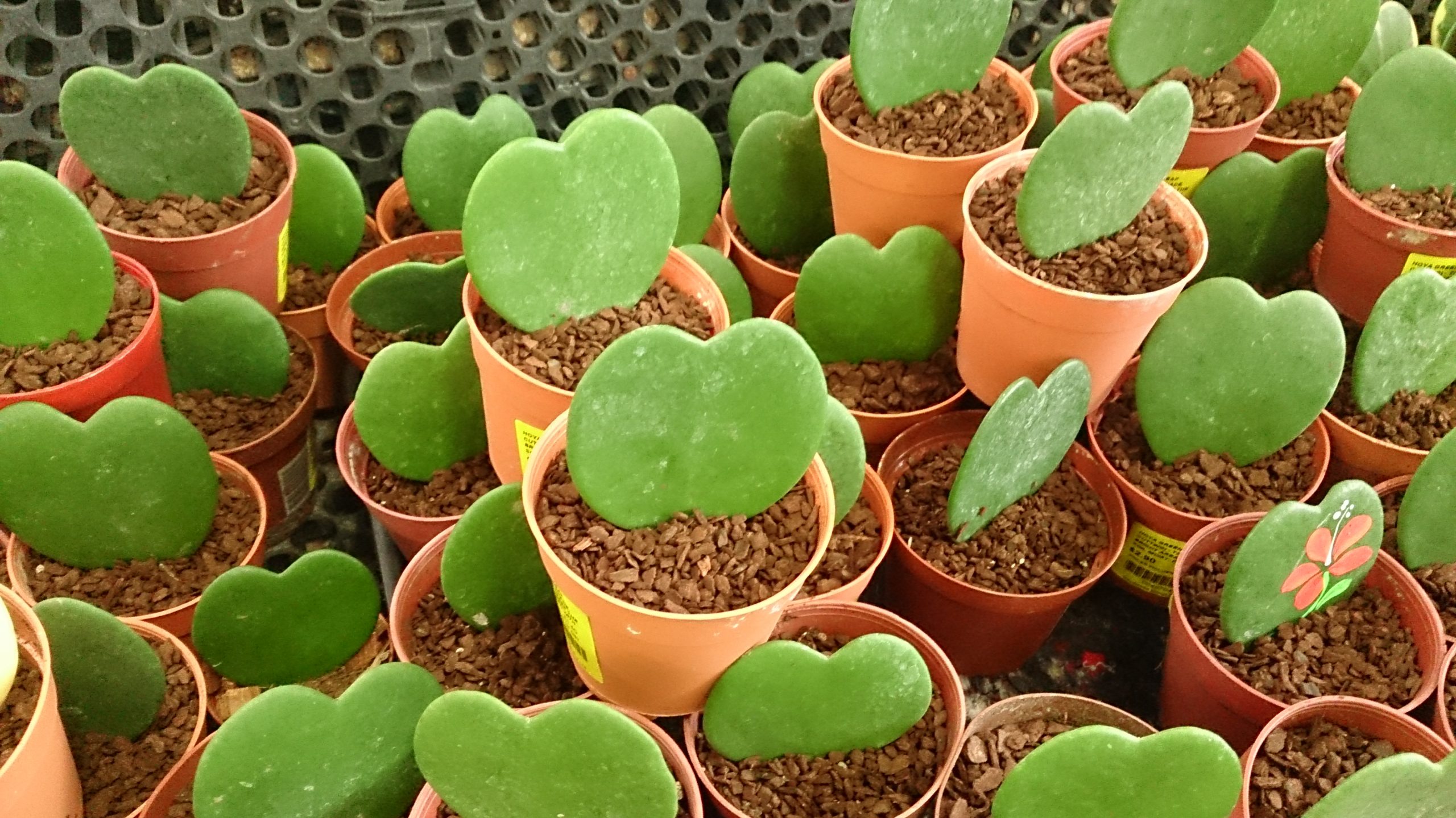
The Tree of Love, scientifically known as Cercis siliquastrum, is a deciduous tree or shrub belonging to the Fabaceae family. It is native to southern Europe and western Asia and is widely cultivated as an ornamental plant due to its attractive heart-shaped leaves and showy pink flowers.
Physical Attributes, Tree of love plant
The Tree of Love typically grows to a height of 6-12 meters (20-40 feet) with a rounded or spreading crown. Its bark is smooth and gray, becoming fissured and darker with age. The leaves are alternate, simple, and heart-shaped, with a rounded apex and a slightly wavy margin. They are a bright green color in the spring and summer, turning a golden yellow in the fall.
The flowers of the Tree of Love are one of its most distinctive features. They are pea-like in shape and appear in clusters of 3-6 flowers directly on the branches or trunk, a phenomenon known as cauliflory. The flowers are a vibrant pink or purple color and bloom profusely in the spring before the leaves emerge.
The fruit of the Tree of Love is a flat, bean-like pod that turns brown when ripe. Each pod contains several small, brown seeds.
Growing Conditions
The Tree of Love prefers to grow in well-drained, slightly alkaline soil in full sun to partial shade. It is tolerant of drought and heat but can also withstand periods of cold weather. The tree is relatively low-maintenance and requires minimal pruning.
Propagation
The Tree of Love can be propagated by seeds, cuttings, or grafting. Seeds should be sown in the spring in a well-drained seedbed. Cuttings can be taken from semi-ripe wood in the summer and rooted in a mixture of sand and peat moss. Grafting is a more difficult method of propagation but can be used to create specific cultivars.
Medicinal and Therapeutic Uses: Tree Of Love Plant

The Tree of Love plant has been traditionally used for centuries to treat various ailments, from skin conditions to digestive disorders. Modern scientific research has begun to uncover the plant’s therapeutic potential, providing evidence for its traditional uses and identifying new applications in alternative medicine.
The plant contains a wide range of bioactive compounds, including alkaloids, flavonoids, and terpenes, which are responsible for its medicinal properties.
Antioxidant and Anti-inflammatory Properties
- The Tree of Love plant is a rich source of antioxidants, which help protect cells from damage caused by free radicals.
- Studies have shown that the plant’s extracts have anti-inflammatory effects, which may be beneficial in treating conditions such as arthritis and asthma.
Antimicrobial and Antifungal Properties
- The plant’s extracts have been shown to have antimicrobial and antifungal properties, making them effective in treating infections caused by bacteria and fungi.
- Traditional healers have used the plant to treat skin infections, wounds, and other microbial infections.
Digestive Health
- The Tree of Love plant has been traditionally used to treat digestive disorders such as diarrhea and constipation.
- The plant’s extracts have been shown to have antispasmodic and laxative effects, which may help relieve digestive symptoms.
Skin Health
- The plant’s extracts have been shown to have anti-aging and wound-healing properties, making them beneficial for skin care.
- Traditional healers have used the plant to treat skin conditions such as eczema, psoriasis, and acne.
