
Immerse yourself in the world of 1 gallon plant pots, where durability, drainage, and aesthetics converge to create the perfect home for your cherished plants. Explore the myriad materials, drainage solutions, and design options available to elevate your gardening experience and nurture thriving flora.
Whether you’re a seasoned horticulturist or just starting your plant parenthood journey, this comprehensive guide will equip you with the knowledge to make informed choices and cultivate a thriving indoor or outdoor oasis.
Plant Pot Material and Durability

The choice of material for a 1-gallon plant pot is influenced by factors such as durability, resistance to breakage, and resilience to weather conditions and UV rays.
Plastic, 1 gallon plant pot
- Lightweight and inexpensive, making them easy to handle and transport.
- Durable and resistant to breakage, ideal for outdoor use where pots may be exposed to accidental impacts.
- Less porous than other materials, reducing water evaporation and the need for frequent watering.
- Can become brittle over time, especially when exposed to extreme temperatures or prolonged UV exposure.
Ceramic
- Sturdy and durable, providing excellent support for plants with heavier root systems.
- Resistant to breakage and can withstand rough handling, making them suitable for both indoor and outdoor use.
- Porous, allowing for better air circulation and drainage, which promotes healthy root development.
- Heavy and expensive compared to other materials, making them less convenient for frequent handling.
Terracotta
- Made from natural clay, giving it a rustic and earthy appearance.
- Porous, allowing for excellent drainage and aeration, preventing waterlogging.
- Durable and long-lasting, withstanding outdoor conditions and UV rays well.
- Can be heavy and prone to breakage if handled roughly.
Plant Pot Drainage and Water Retention
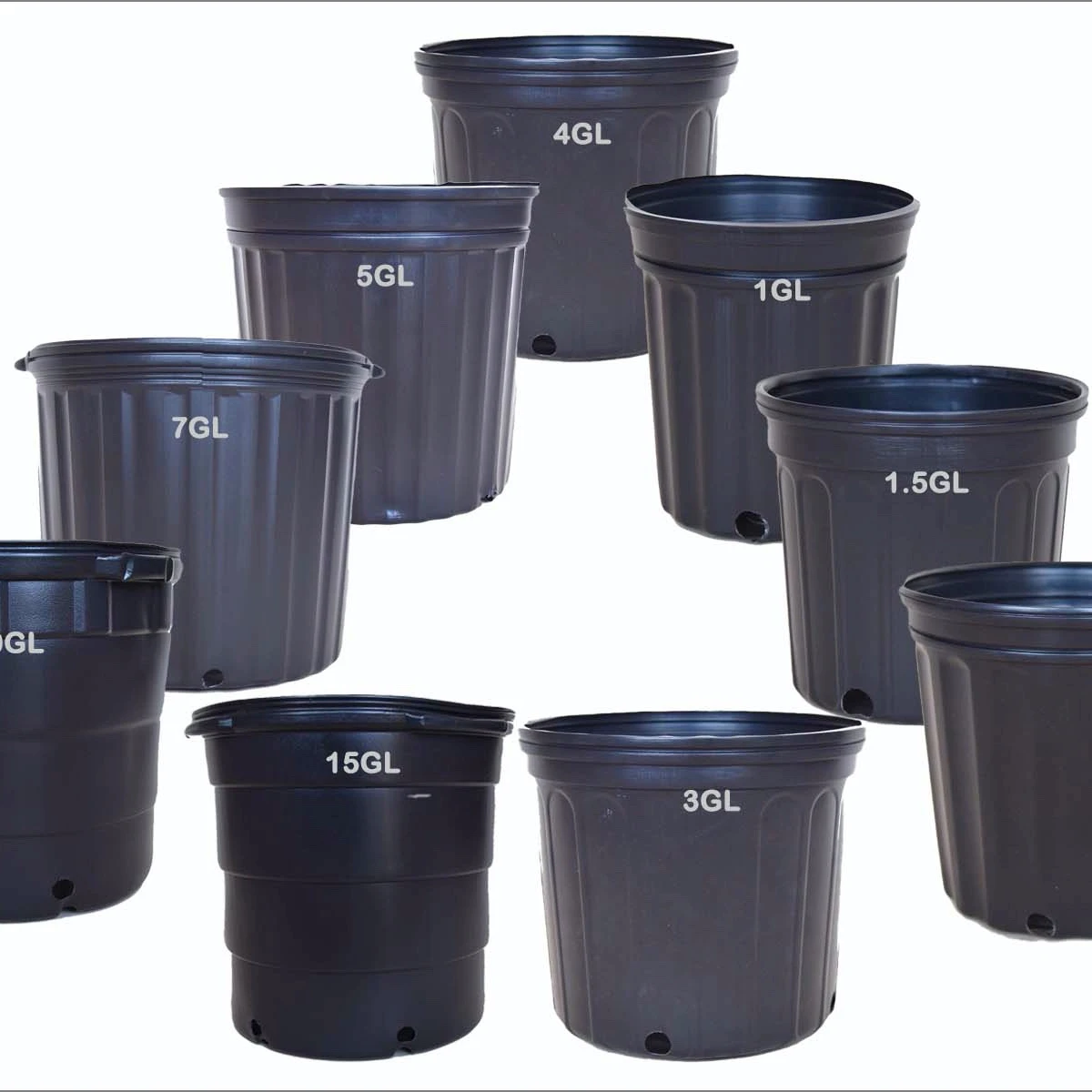
Proper drainage is crucial for 1-gallon plant pots to prevent waterlogging, which can lead to root rot and other plant health issues. Choose pots with adequate drainage holes at the bottom to allow excess water to drain out freely.
Drainage Holes
The number and size of drainage holes should be sufficient to prevent water from accumulating at the bottom of the pot. Generally, 3-4 drainage holes with a diameter of 1/4 inch are recommended for a 1-gallon pot. Ensure the holes are not clogged by soil or debris.
Moisture-Wicking Materials
Moisture-wicking materials, such as perlite or pumice, can be added to the potting mix to improve drainage and prevent waterlogging. These materials absorb excess water and release it gradually, helping to maintain optimal soil moisture levels.
Drainage Layers
A drainage layer can be created at the bottom of the pot using materials like gravel or broken pottery shards. This layer provides additional drainage and prevents the soil from becoming waterlogged. It also helps aerate the soil, promoting healthy root development.
Impact on Plant Health
Proper drainage and water retention are essential for plant health and growth. Waterlogged soil deprives roots of oxygen, leading to stunted growth, yellowing leaves, and increased susceptibility to diseases. Conversely, well-drained soil allows roots to breathe and absorb nutrients efficiently, resulting in healthy plants with vigorous growth.
Plant Pot Design and Aesthetics: 1 Gallon Plant Pot

The realm of 1-gallon plant pots offers a diverse range of designs, catering to various aesthetic preferences and décor styles. From classic and understated to modern and eye-catching, these pots come in a myriad of shapes, colors, and textures, each with its own unique appeal.
Visual Appeal and Aesthetic Considerations
The shape of a plant pot can significantly impact its visual appeal. Cylindrical pots exude a sleek and contemporary vibe, while square or rectangular pots provide a more structured and formal look. Round pots, on the other hand, evoke a sense of warmth and organic beauty. The choice of shape should complement the plant’s growth habit and the overall aesthetic of the surrounding environment.
Color plays an equally important role in the visual impact of a plant pot. Neutral colors such as black, white, or gray offer a versatile backdrop for any plant, allowing its foliage and blooms to take center stage. Bold and vibrant colors, like red, blue, or yellow, can create a striking focal point, adding a touch of personality to the space. The texture of the pot can also contribute to its aesthetic appeal. Smooth, glazed surfaces reflect light, creating a glossy and sophisticated look. Unglazed, terracotta pots, with their natural earthy texture, exude a rustic and charming appeal.
