
Plant Growth 3.5 delves into the fascinating world of plant biology, exploring the intricate mechanisms that govern plant development and their responses to environmental cues. From the role of hormones in shaping plant architecture to the influence of light, temperature, and water availability on plant growth, this exploration unravels the science behind the thriving tapestry of plant life.
Auxins, gibberellins, and cytokinins emerge as key players in orchestrating root and stem growth, stem elongation, and cell division. Environmental factors such as temperature, light intensity and duration, and water availability exert profound effects on plant growth and development, highlighting the intricate interplay between plants and their surroundings.
Growth Factors and Plant Development

Plant growth is a complex process regulated by various factors, including hormones known as plant growth regulators. These regulators play crucial roles in different aspects of plant development, such as root and stem growth, seed germination, and cell division.
Auxins
Auxins are a class of plant growth regulators primarily responsible for promoting cell elongation and root growth. They are synthesized in the shoot tips and transported downwards, influencing root development and gravitropism (the plant’s response to gravity).
Gibberellins
Gibberellins are another group of plant growth regulators involved in various developmental processes, including stem elongation, seed germination, and fruit growth. They stimulate cell division and elongation, leading to increased plant height and internode length.
Cytokinins
Cytokinins are plant growth regulators that promote cell division and differentiation. They are synthesized in the roots and transported upwards, influencing shoot growth and leaf expansion. Cytokinins also play a role in regulating apical dominance, the inhibition of lateral bud growth by the apical bud.
Environmental Factors Influencing Plant Growth
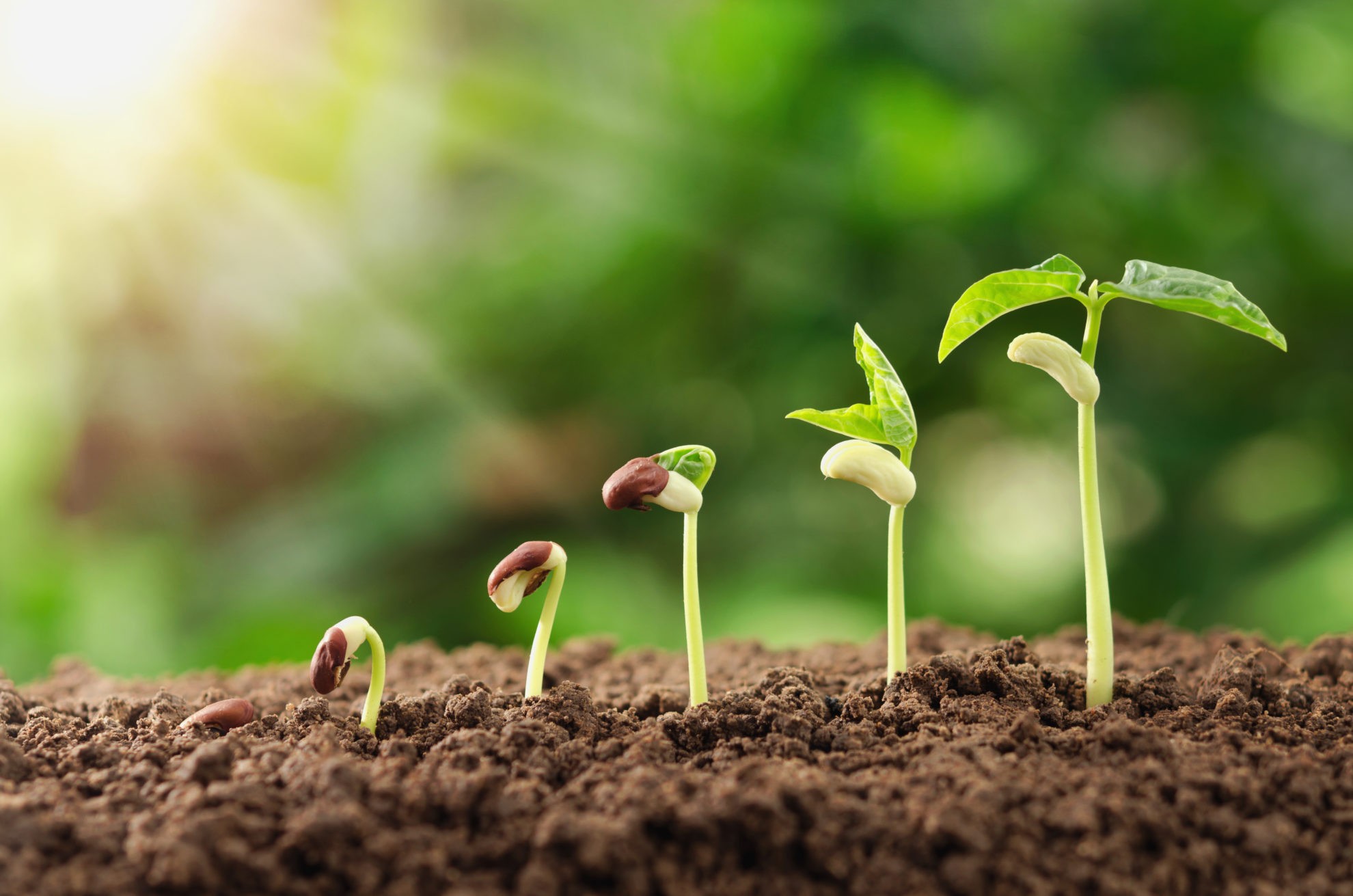
Plant growth is influenced by a multitude of environmental factors, including temperature, light, and water availability. These factors can significantly impact plant development, affecting processes such as photosynthesis, respiration, and nutrient uptake.
Temperature
The optimal temperature range for plant growth varies among species. However, most plants exhibit optimal growth within a temperature range of 15-25°C (59-77°F). At temperatures below or above this range, plant growth can be inhibited.
Temperature affects plant growth by influencing enzyme activity. Enzymes are proteins that catalyze chemical reactions in plants. At optimal temperatures, enzymes function efficiently, promoting plant growth and development. However, at temperatures outside the optimal range, enzyme activity can be impaired, slowing down or halting plant growth.
Light Intensity and Duration
Light is essential for photosynthesis, the process by which plants convert sunlight into energy. The intensity and duration of light can significantly impact plant growth.
Light intensity affects the rate of photosynthesis. Higher light intensity generally leads to increased photosynthesis and plant growth. However, excessive light intensity can also cause photoinhibition, a process that damages the photosynthetic apparatus and reduces plant growth.
Light duration, or photoperiod, also influences plant growth. Plants can be classified as long-day, short-day, or day-neutral plants based on their response to photoperiod. Long-day plants require long periods of daylight to flower, while short-day plants flower under shorter day lengths. Day-neutral plants are not affected by photoperiod.
Water Availability
Water is crucial for plant growth and survival. It is involved in numerous physiological processes, including photosynthesis, nutrient transport, and cell expansion.
Water availability can significantly impact plant growth. Drought stress, caused by water scarcity, can lead to reduced photosynthesis, stunted growth, and leaf wilting. Plants have evolved various drought tolerance strategies, such as drought-resistant leaves, deep root systems, and water-storage tissues, to cope with water scarcity.
Nutrient Requirements for Plant Growth: Plant Growth 3.5
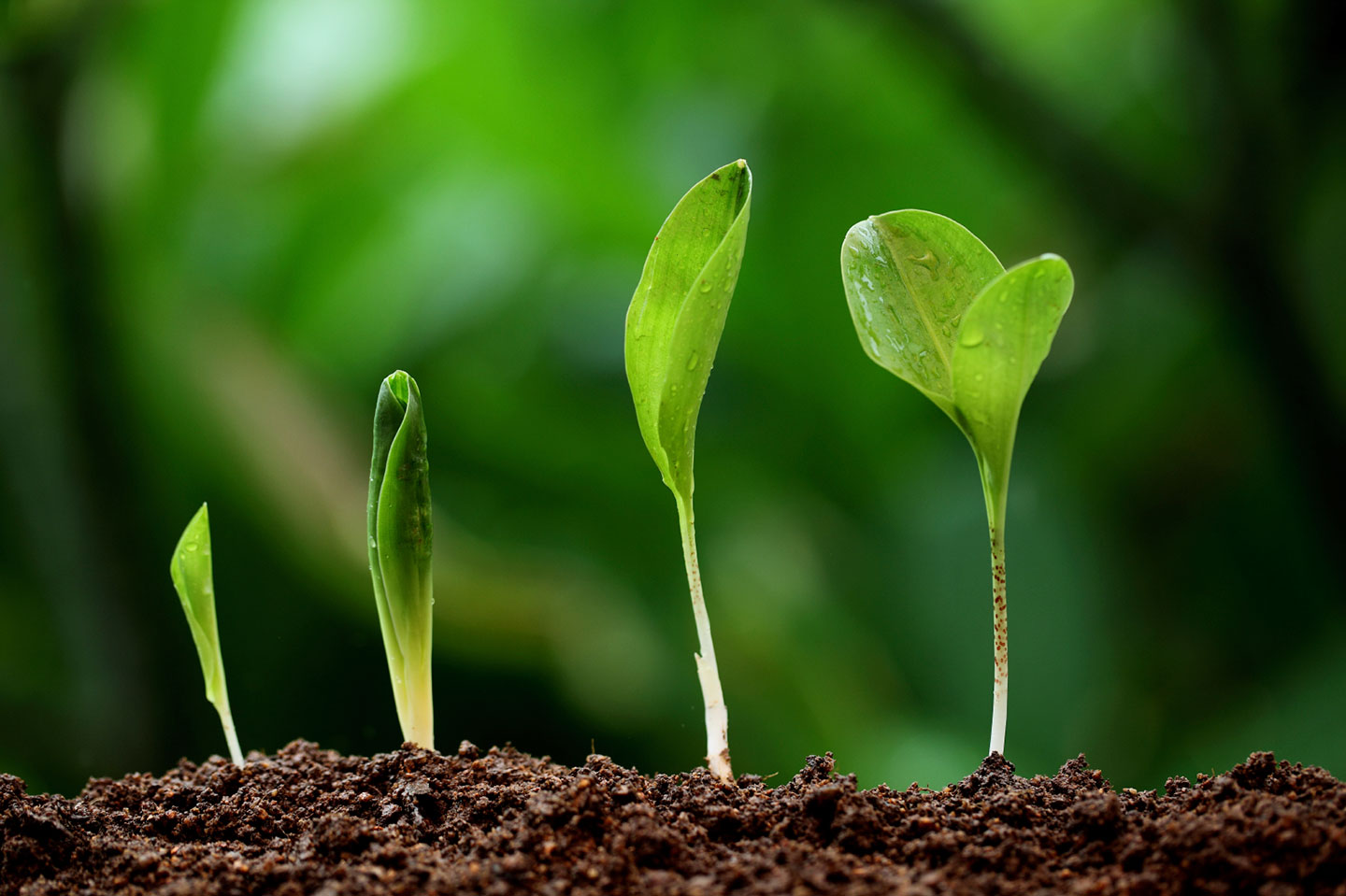
Plants, like all living organisms, require specific nutrients for optimal growth and development. These nutrients are obtained from the soil, air, and water and can be classified into two main categories: macronutrients and micronutrients.
Macronutrients
Macronutrients are elements required in large quantities for plant growth and are primarily obtained from the soil. The three essential macronutrients are nitrogen, phosphorus, and potassium.
| Macronutrient | Functions |
|---|---|
| Nitrogen (N) | – Essential component of proteins, nucleic acids, and chlorophyll – Promotes vegetative growth and leaf development |
| Phosphorus (P) | – Involved in energy transfer and storage – Promotes root growth and flowering – Enhances seed production |
| Potassium (K) | – Activates enzymes – Regulates water balance – Enhances disease resistance |
Micronutrients, Plant growth 3.5
Micronutrients are elements required in smaller quantities than macronutrients but are equally essential for plant health. Some important micronutrients include:
- Iron (Fe): Essential for chlorophyll synthesis and photosynthesis
- Zinc (Zn): Involved in hormone production and enzyme activation
- Manganese (Mn): Plays a role in photosynthesis and nitrogen metabolism
Role of Organic Matter
Organic matter, derived from decaying plant and animal residues, plays a crucial role in soil fertility and plant nutrition. It improves soil structure, aeration, and water-holding capacity.
Organic matter also contains essential nutrients that are slowly released into the soil, making them available to plants. It promotes microbial activity, which further enhances nutrient availability and soil health.
