The humble net for pot plants plays a crucial role in the health and well-being of your cherished greenery. From protecting against pests to supporting plant growth, this guide will delve into the fascinating world of netting for pot plants, empowering you with the knowledge to create a thriving indoor or outdoor oasis.
In this comprehensive guide, we will explore the diverse options available for netting materials, delve into the intricacies of mesh sizes and their impact on plant growth, and provide practical tips for designing and installing netting systems that will maximize the health and beauty of your beloved plants.
Netting Options for Pot Plants
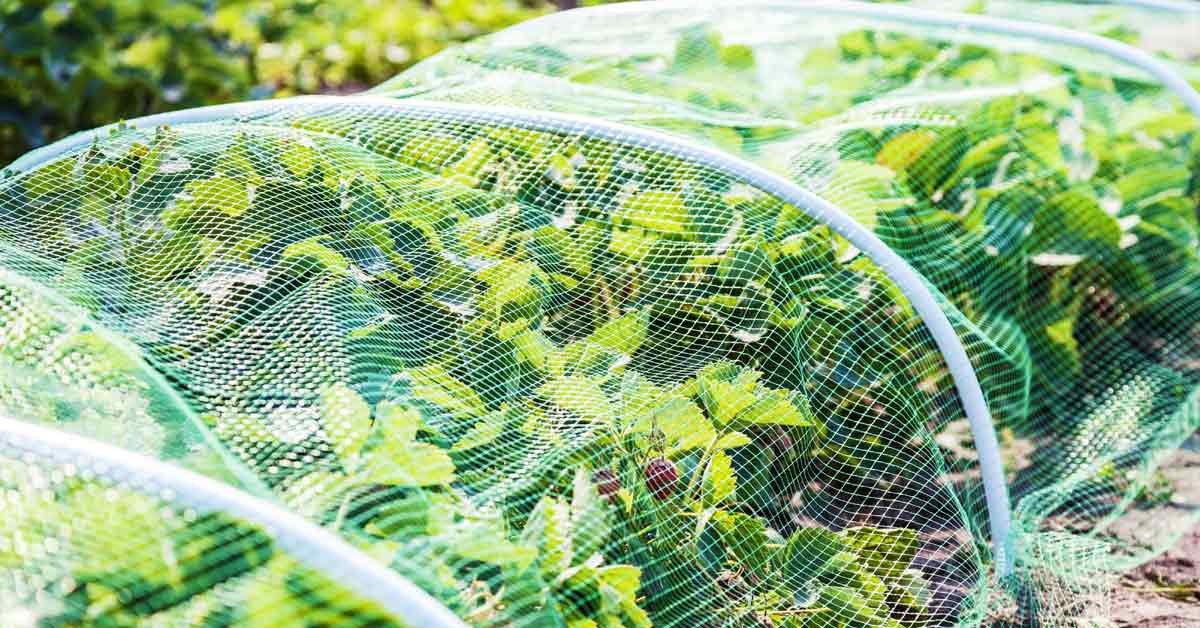
Utilizing netting for pot plants offers numerous advantages, including protection from pests, regulation of sunlight exposure, and support for climbing plants. When selecting netting for your pot plants, it is crucial to consider the material, mesh size, and plant requirements.
Netting Materials
Various netting materials are available, each with unique properties:
- Polyethylene: Lightweight, durable, and UV-resistant, making it suitable for outdoor use.
- Nylon: Strong, flexible, and resistant to rot and mildew, ideal for indoor or outdoor use.
- Polypropylene: Affordable, lightweight, and breathable, providing good air circulation.
- Metal: Durable and rust-resistant, but can block sunlight and airflow.
- Natural fibers (e.g., jute, hemp): Eco-friendly, biodegradable, but less durable than synthetic materials.
Mesh Size
Mesh size plays a significant role in plant growth and pest control:
- Fine mesh (less than 1 mm): Protects against small pests like aphids and thrips but can restrict air circulation.
- Medium mesh (1-2 mm): Balances pest protection and airflow, suitable for most plants.
- Coarse mesh (over 2 mm): Provides ample air circulation and sunlight exposure, suitable for larger plants and climbing plants.
Choosing the Right Netting
Consider the following factors when selecting netting for your pot plants:
- Plant type: Choose netting with an appropriate mesh size to protect against potential pests.
- Pot size: Select netting large enough to cover the pot and provide adequate space for plant growth.
- Environmental conditions: Consider the outdoor or indoor environment and choose netting that is UV-resistant or breathable as needed.
Design and Installation Techniques
Designing and installing netting systems for pot plants requires careful planning and execution. Proper measurements, cutting techniques, and attachment methods ensure the netting’s effectiveness and longevity.
Measuring and Cutting
Accurately measuring the circumference and height of each pot is crucial. Measure around the widest part of the pot and add 10-15 cm to allow for overlap. For the height, measure from the rim to the base and add 5-10 cm for tucking the netting under the pot. Use sharp scissors to cut the netting cleanly, following the measured dimensions.
Attachment Techniques
There are several methods to attach netting to pots, depending on the shape and size. For round pots, simply drape the netting over the pot and secure it with stakes or clips. For square or rectangular pots, cut the netting into panels and attach them to the sides using stakes or clips. Tuck the excess netting under the base of the pot to prevent gaps.
Stakes, Clips, and Other Accessories
Stakes provide stability to the netting system, especially in windy conditions. Insert the stakes into the ground around the perimeter of the pot, ensuring they are deep enough to hold securely. Clips are used to attach the netting to the stakes or directly to the pot. Choose clips that are strong enough to withstand the weight of the netting and the plants. Other accessories, such as wire or zip ties, can also be used to secure the netting.
Maintenance and Troubleshooting: Net For Pot Plants

To ensure optimal plant growth, regular maintenance of netting systems is crucial. This includes cleaning, repairing, and replacing netting as necessary.
Cleaning
Netting systems should be cleaned periodically to remove dust, dirt, and debris that can accumulate over time. This can be done using a soft brush or a mild detergent solution. Avoid using harsh chemicals or abrasive materials, as these can damage the netting.
Repairing
Small holes or tears in netting can be repaired using a needle and thread or a patch of similar netting material. For larger repairs, it may be necessary to replace the entire netting system.
Replacing, Net for pot plants
Over time, netting systems may become worn or damaged beyond repair. In such cases, it is necessary to replace the entire netting system. When replacing netting, choose a material that is durable, UV-resistant, and appropriate for the specific plant species being grown.
Common Problems and Solutions
Some common problems associated with netting systems include:
- Fraying or tearing: This can be caused by wind, animals, or improper installation. To prevent fraying or tearing, choose a durable netting material and install it securely.
- Tangling: This can occur when the netting is not properly installed or when there is excessive wind. To prevent tangling, install the netting tightly and use stakes or other supports to secure it in place.
- Mold or mildew: This can occur in humid conditions. To prevent mold or mildew, use a netting material that is resistant to moisture and ensure that there is adequate ventilation around the plants.