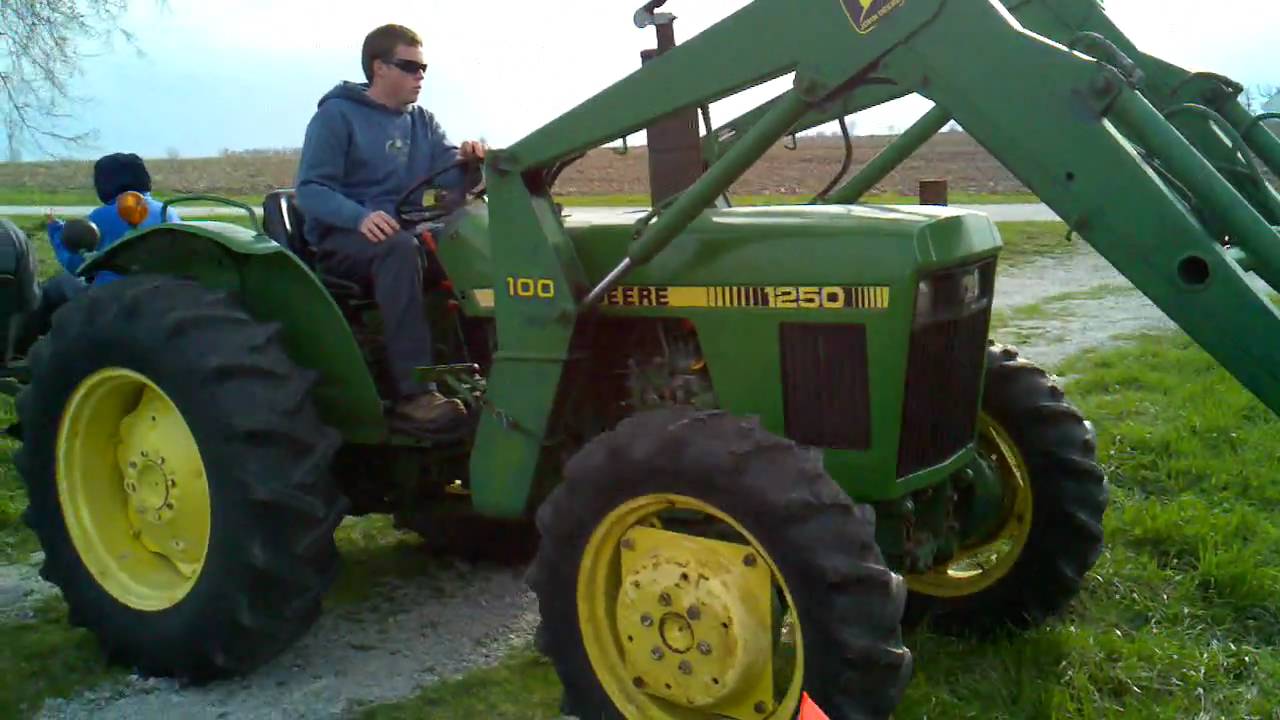
The 3 point tree planter revolutionizes reforestation with its unparalleled efficiency, cost-effectiveness, and precision. This innovative machine streamlines the planting process, allowing for the rapid establishment of vast tracts of forest.
Its unique design and advanced features enable it to navigate diverse terrains, ensuring optimal planting conditions for each sapling.
Three-Point Tree Planter Overview
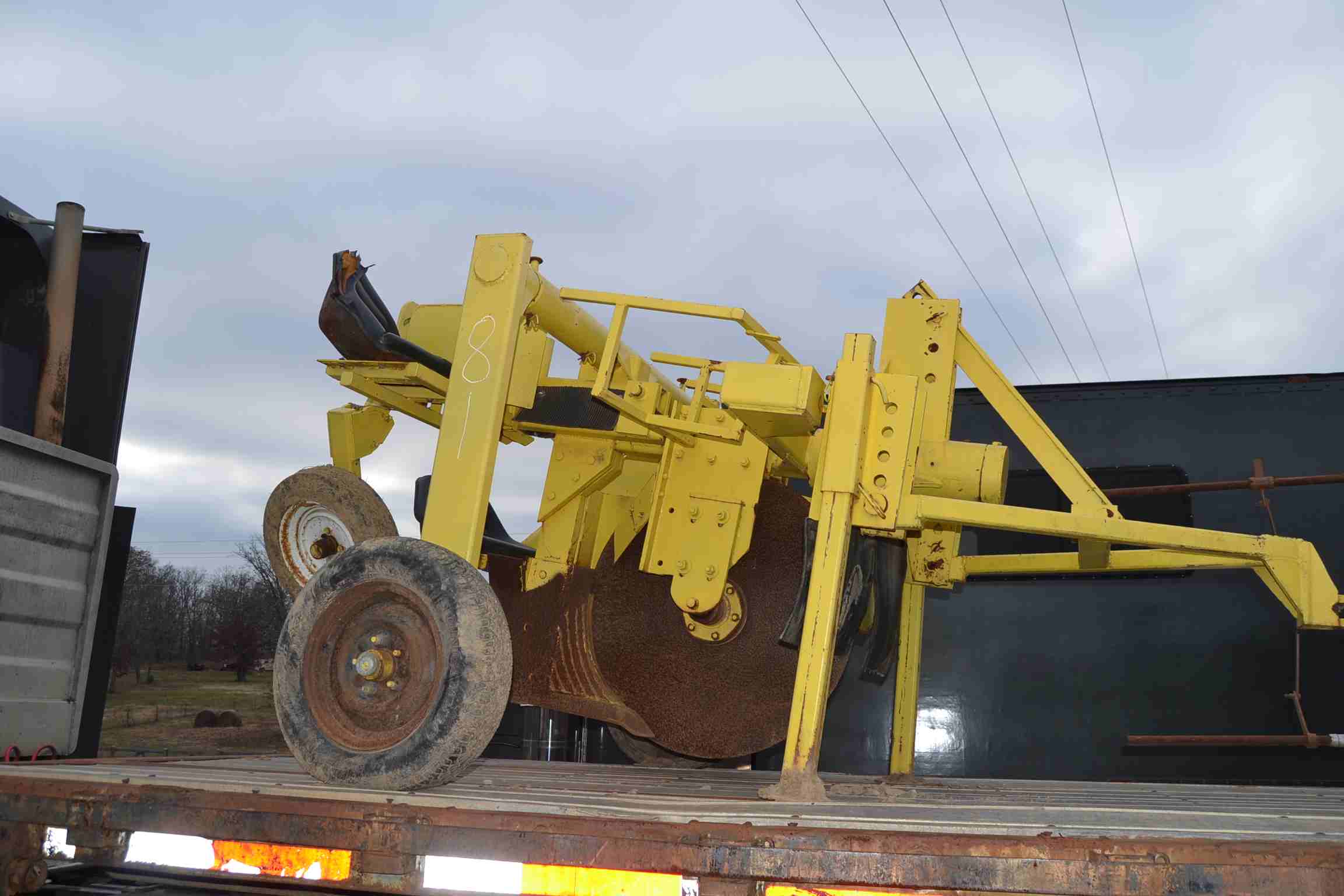
A three-point tree planter is an agricultural implement used to plant trees and seedlings efficiently and accurately. It is designed to be attached to the three-point hitch of a tractor, providing stability and ease of operation.
Three-point tree planters are available in various types, each with specific features to suit different planting requirements. Some common types include:
- Bareroot Planters: Designed for planting bare-root seedlings, these planters feature a coulter blade that creates a narrow slit in the soil, into which the seedling is inserted.
- Containerized Planters: Suitable for planting seedlings grown in containers, these planters have a mechanism to hold and release the container while the soil is packed around the root ball.
- Transplanters: Used for transplanting larger trees or shrubs, these planters have a digging blade that extracts the tree from the ground and a planting mechanism to place it in the new location.
The planting process using a three-point tree planter typically involves the following steps:
- Site Preparation: The planting site is prepared by clearing vegetation, tilling the soil, and marking the planting locations.
- Planter Attachment: The three-point tree planter is attached to the tractor’s three-point hitch, ensuring proper alignment and stability.
- Planting: The planter is lowered into the ground, creating a hole or slit. The seedling or tree is then inserted into the hole, and the soil is packed around the roots.
- Fertilization and Mulching: Fertilizers and mulch can be applied around the newly planted tree to promote growth and suppress weeds.
- Monitoring: The planted trees are monitored regularly to ensure proper establishment and address any issues.
Three-Point Tree Planter Benefits and Limitations
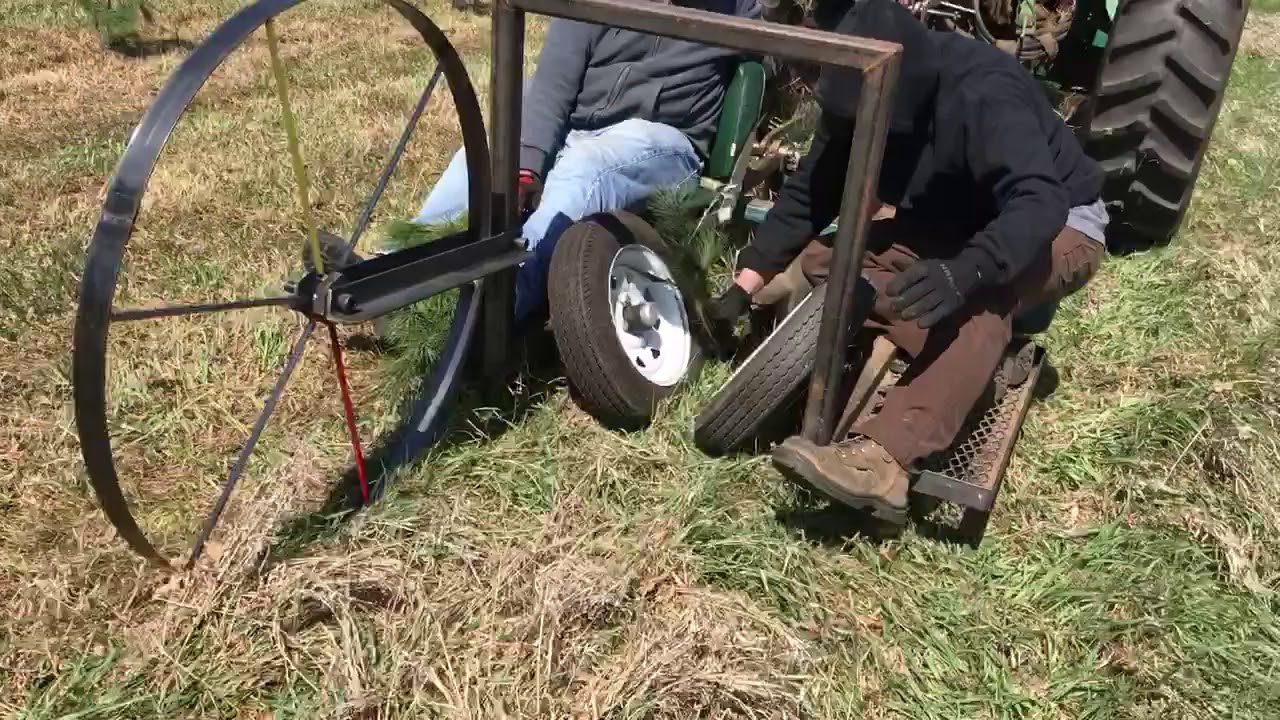
Three-point tree planters offer several advantages that contribute to their popularity in the forestry industry. Firstly, they are highly efficient, allowing operators to plant trees at a rapid pace compared to manual methods. This efficiency translates into significant time and labor savings, making three-point tree planters a cost-effective option for large-scale planting projects.
Furthermore, three-point tree planters provide greater precision in planting depth and spacing. The adjustable coulters and planting mechanism ensure that trees are planted at the optimal depth and distance apart, promoting healthy root development and overall tree growth.
Terrain Restrictions
Despite their advantages, three-point tree planters have certain limitations. One primary limitation is their restricted use in challenging terrain. These planters are typically designed for use on relatively flat or gently sloping land. In areas with steep slopes, uneven ground, or obstacles such as rocks or stumps, the maneuverability and effectiveness of three-point tree planters may be compromised.
Maintenance Requirements
Another consideration is the maintenance requirements of three-point tree planters. These machines are complex pieces of equipment that require regular maintenance to ensure optimal performance and longevity. Proper maintenance includes regular cleaning, lubrication, and replacement of worn parts, which can be time-consuming and costly.
Comparison to Alternative Planting Methods, 3 point tree planter
When compared to alternative planting methods, such as hand planting or using dibble bars, three-point tree planters offer several benefits. They are significantly faster and more efficient, allowing for higher productivity rates. Additionally, they provide greater precision in planting depth and spacing, contributing to improved tree growth and survival rates.
However, three-point tree planters are generally more expensive to purchase and maintain compared to alternative methods. They also have limitations in terms of terrain adaptability and require skilled operators to achieve optimal results. Therefore, the choice of planting method should be based on factors such as the scale of the planting project, terrain conditions, budget, and available labor.
Three-Point Tree Planter Maintenance and Troubleshooting: 3 Point Tree Planter

Proper maintenance and care are essential to ensure the longevity and optimal performance of a three-point tree planter. Regular inspections, cleaning, lubrication, and adjustments will help prevent breakdowns and extend the lifespan of the equipment.
Maintenance Schedule
A comprehensive maintenance schedule should be established and followed diligently. The frequency of maintenance tasks may vary depending on the operating conditions and usage intensity.
| Maintenance Task | Frequency |
|---|---|
| Inspect and clean the tree planter | Daily |
| Lubricate moving parts | Weekly |
| Check and adjust the coulter blades | Monthly |
| Inspect and replace worn or damaged parts | As needed |