In the realm of gardening, the 36 inch high planter emerges as a towering presence, offering a myriad of benefits and design possibilities. From the practical advantages of improved plant growth to the aesthetic appeal of vertical gardens, these planters transform outdoor spaces into verdant havens.
Whether you seek to cultivate herbs, vegetables, or vibrant blooms, 36 inch high planters provide an optimal environment for a wide range of plant life. Their elevated height promotes drainage, reduces soil compaction, and enhances airflow, fostering healthy root systems and vigorous growth.
Overview of 36 Inch High Planters
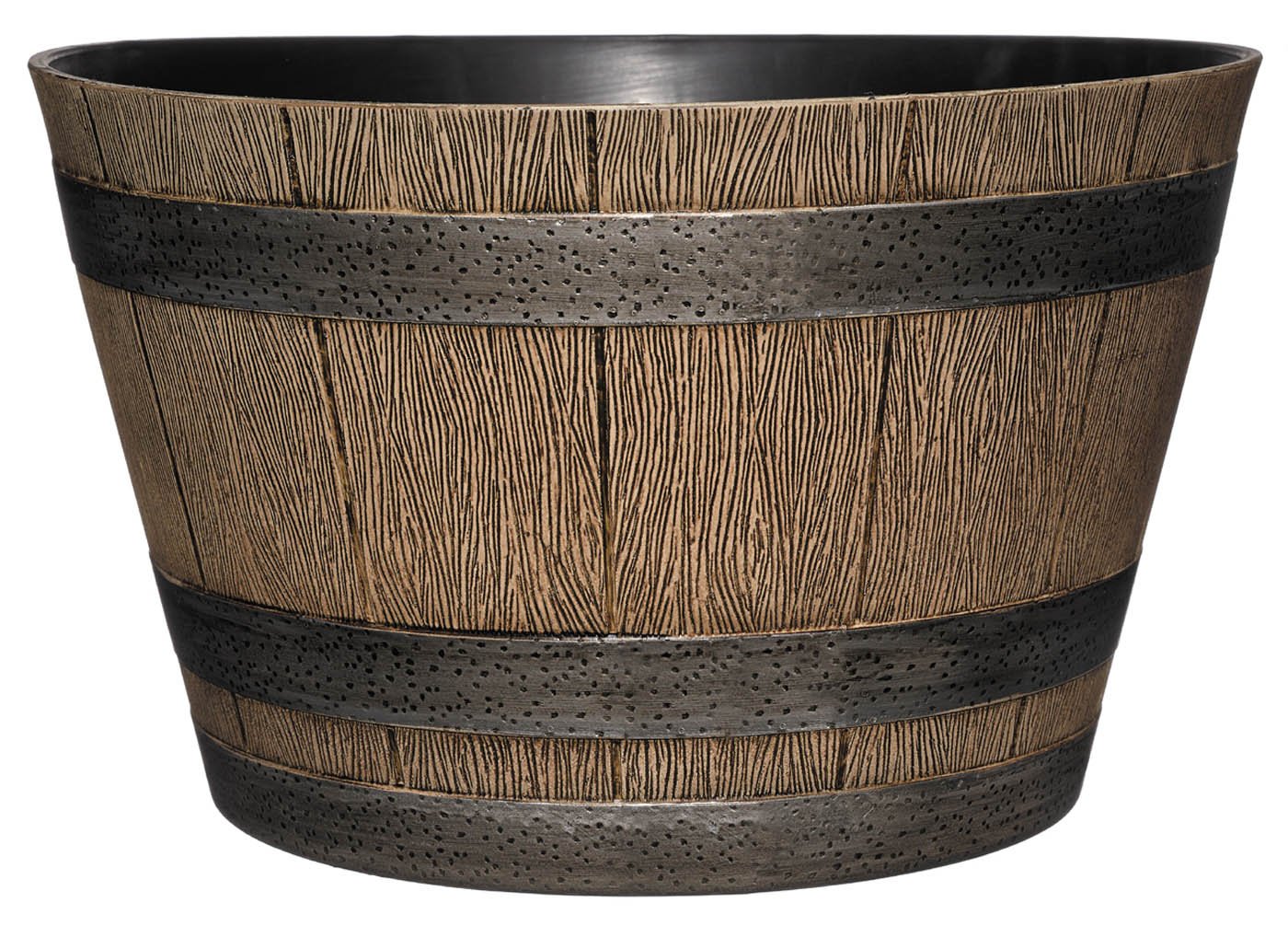
36-inch high planters are gaining popularity among gardening enthusiasts due to their numerous benefits and versatility. These elevated planters offer several advantages over traditional ground-level gardening, including improved drainage, better root development, and reduced strain on the back.
The height of 36 inches is ideal for various types of plants, including vegetables, herbs, flowers, and even small trees. The elevated design provides ample space for root growth, allowing plants to establish strong and healthy root systems. The improved drainage helps prevent waterlogging, which can lead to root rot and other plant diseases.
Types of Plants Suitable for 36 Inch High Planters
- Vegetables: Tomatoes, peppers, cucumbers, beans, and leafy greens thrive in 36-inch high planters due to their excellent drainage and ample space for root development.
- Herbs: Basil, oregano, thyme, and rosemary are popular herbs that can be easily grown in these planters, providing fresh and flavorful ingredients for cooking.
- Small Trees: Dwarf citrus trees, such as lemon and lime trees, can be grown in these planters, providing a unique and productive addition to patios or balconies.
li>Flowers: Petunias, marigolds, zinnias, and daisies add a splash of color and beauty to 36-inch high planters, creating a vibrant and eye-catching display.
Materials Used in the Construction of 36 Inch High Planters
36-inch high planters are available in a variety of materials, each with its own advantages and disadvantages:
- Wood: Wooden planters are durable, aesthetically pleasing, and can be painted or stained to match any décor. However, they require regular maintenance to prevent rot and decay.
- Plastic: Plastic planters are lightweight, inexpensive, and come in a wide range of colors and styles. They are also easy to clean and maintain, making them a popular choice for beginner gardeners.
- Metal: Metal planters, such as those made of galvanized steel or aluminum, are durable and weather-resistant. They are also easy to clean and maintain, but they can be more expensive than other materials.
- Ceramic: Ceramic planters are heavy and fragile, but they offer a unique and stylish look. They are also porous, which allows for better drainage than non-porous materials.
Designing with 36 Inch High Planters

36-inch high planters offer versatility in outdoor spaces, allowing for creative designs and efficient gardening solutions. Their elevated height provides ergonomic access, improved drainage, and visual interest. Here’s a design guide for incorporating these planters into various outdoor settings:
Incorporating into Raised Garden Beds
Raised garden beds provide better soil drainage, root aeration, and extended growing seasons. Integrating 36-inch high planters into raised beds elevates the planting area, making it more accessible for gardeners with limited mobility. These planters can create designated sections for different plant varieties, allowing for companion planting and crop rotation.
- Position the planters along the edges or corners of the raised bed for easy access and efficient space utilization.
- Choose planters with drainage holes to prevent waterlogging and root rot.
- Fill the planters with a well-draining potting mix tailored to the specific plants being grown.
Creating Vertical Gardens
Vertical gardens maximize vertical space, especially in urban areas with limited ground space. 36-inch high planters can be stacked or mounted on walls to create living walls or trellises. This design allows for growing climbing plants, trailing varieties, and edible greens in a compact and visually appealing way.
- Secure the planters firmly to walls or fences using brackets or trellises to prevent toppling.
- Use lightweight planters made from materials like plastic or composite to reduce the load on the supporting structure.
- Choose plants suitable for vertical growth, such as vines, trailing succulents, and herbs.
Maintenance and Care for 36 Inch High Planters
Maintaining the health and appearance of your plants in 36 inch high planters requires regular care and attention. This guide provides comprehensive instructions for watering, fertilizing, and ensuring proper drainage to keep your plants thriving.
Watering
The frequency of watering depends on several factors, including the plant species, soil type, and weather conditions. As a general rule, water your plants when the top inch of soil feels dry to the touch. Avoid overwatering, as it can lead to root rot and other problems.
Use a watering can or hose with a gentle spray nozzle to water your plants. Water deeply, allowing the water to penetrate the entire root zone. Avoid splashing water on the leaves, as this can promote disease.
Fertilizing, 36 inch high planter
Fertilizing your plants provides them with essential nutrients for growth and health. Choose a balanced fertilizer that is appropriate for the type of plants you are growing. Follow the instructions on the fertilizer label for the correct application rate and frequency.
Generally, plants in 36 inch high planters should be fertilized every 2-3 weeks during the growing season. Avoid over-fertilizing, as it can burn the roots and damage the plants.
Drainage
Proper drainage is crucial for preventing waterlogging, which can lead to root rot and other plant health issues. Ensure that your 36 inch high planter has drainage holes in the bottom. If the planter does not have drainage holes, you can drill your own or place a layer of gravel or pebbles at the bottom of the planter to improve drainage.
When planting, make sure to use a well-draining potting mix. Avoid using heavy, clay-based soils that can retain too much water.