Embark on a captivating journey with 4 pack tomato plants, where gardening enthusiasts and culinary adventurers alike discover the secrets to cultivating and savoring the luscious fruits of this beloved vegetable.
From understanding the intricacies of soil preparation and sunlight requirements to mastering the art of harvesting and preserving ripe tomatoes, this comprehensive guide empowers you with the knowledge and techniques to nurture thriving tomato plants and delight in their bountiful harvests.
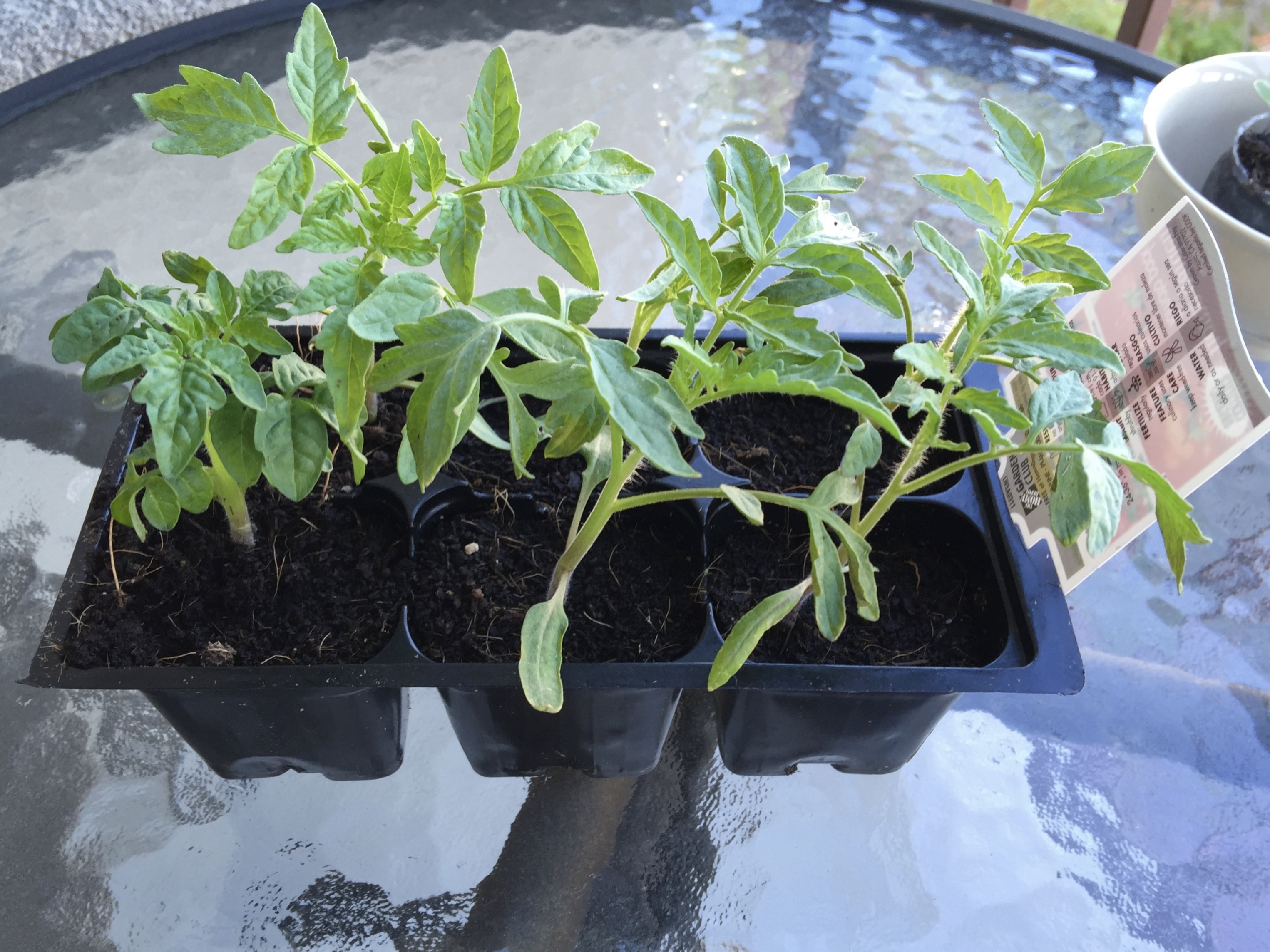
Plant Growing: 4 Pack Tomato Plants

Growing tomato plants from a 4-pack is a rewarding experience that can provide you with an abundance of fresh, homegrown tomatoes. To ensure your tomato plants thrive, it’s crucial to understand their specific growing requirements and provide them with the optimal conditions for success.
Soil Conditions
Tomato plants prefer well-drained soil with a pH between 6.0 and 6.8. The soil should be loose and crumbly, allowing for good root development and water penetration. If your soil is heavy or compacted, amend it with organic matter such as compost or manure to improve drainage and fertility.
Sunlight Requirements
Tomato plants are sun-loving plants that require at least 6 hours of direct sunlight per day. Choose a planting location that receives ample sunlight throughout the growing season. If you live in an area with limited sunlight, consider growing tomato plants in containers that can be moved to a sunnier location as needed.
Watering Schedule, 4 pack tomato plants
Water tomato plants deeply and regularly, especially during hot, dry weather. Avoid overwatering, as this can lead to root rot. The best time to water tomato plants is in the morning, as this allows the leaves to dry out before nightfall, reducing the risk of disease.
Common Pests and Diseases
Tomato plants are susceptible to various pests and diseases. Some common pests include aphids, whiteflies, and tomato hornworms. Common diseases include blight, powdery mildew, and blossom end rot. To prevent or treat these problems, practice good garden hygiene, such as rotating crops, removing diseased plants, and using organic pest control methods.
Harvesting
Harvesting tomatoes at the peak of ripeness ensures optimal flavor and nutritional value. Signs of ripeness include a deep red color, a slight give when gently squeezed, and a sweet aroma. Avoid harvesting tomatoes that are still green or have hard spots, as they will not ripen further and may develop off-flavors.
To harvest tomatoes without damaging the plants or the fruit, gently twist the stem at the base of the tomato. Do not pull or yank the tomatoes, as this can tear the vines and damage the fruit. Use sharp shears or a knife to cut the stem if necessary.
Storage
Proper storage is crucial to maintain the freshness and flavor of tomatoes. Store ripe tomatoes at room temperature for a few days. For longer storage, refrigerate tomatoes for up to two weeks. Place tomatoes stem-side up to prevent bruising and spoilage. Avoid storing tomatoes in plastic bags, as this can trap moisture and promote decay.
Tomatoes are sensitive to ethylene gas, which accelerates ripening. To slow down ripening, store tomatoes away from other fruits and vegetables that produce ethylene, such as bananas and apples.
Culinary Applications

Tomatoes are a versatile fruit that can be used in a wide variety of culinary applications. They can be eaten fresh, cooked, or processed into sauces, juices, and other products. Tomatoes are a good source of vitamins A and C, as well as lycopene, an antioxidant that has been linked to a number of health benefits.
There are many different ways to prepare tomatoes. They can be roasted, grilled, sautéed, or fried. Tomatoes can also be used to make sauces, soups, stews, and other dishes. The flavor of tomatoes can vary depending on the variety, the ripeness, and the way they are prepared.
Selecting the Best Tomatoes
When selecting tomatoes for culinary purposes, it is important to choose ripe, firm tomatoes that are free of blemishes. The best tomatoes for eating fresh are those that are fully ripe and have a deep red color. Tomatoes that are slightly firm are best for cooking, as they will hold their shape better. Avoid tomatoes that are bruised or have soft spots, as these may be spoiled.
Recipes
Here are a few recipes that showcase the versatility of tomatoes in cooking:
- Roasted Tomato Salsa: This salsa is made with roasted tomatoes, onions, garlic, and chili peppers. It is a flavorful and versatile salsa that can be used as a dip, a topping, or a marinade.
- Grilled Tomato Bruschetta: This bruschetta is made with grilled tomatoes, basil, and garlic. It is a simple and delicious appetizer that is perfect for summer parties.
- Tomato Soup: This soup is made with tomatoes, onions, garlic, and vegetable broth. It is a creamy and flavorful soup that is perfect for a cold winter day.
- Tomato Sauce: This sauce is made with tomatoes, onions, garlic, and herbs. It is a versatile sauce that can be used on pasta, pizza, or as a dipping sauce.