
5 gallon plant pots offer a versatile and convenient solution for growing a wide range of plants, from small herbs to large shrubs. With their ample space and drainage capabilities, these pots provide an ideal environment for healthy root development and plant growth. In this comprehensive guide, we’ll delve into the specifications, suitability, and gardening techniques associated with 5 gallon plant pots, empowering you to make informed decisions for your gardening endeavors.
Whether you’re a seasoned gardener or just starting your plant journey, this guide will provide valuable insights into the world of 5 gallon plant pots. So, let’s dive right in and explore the fascinating world of container gardening!
Plant Pot Specifications
Standard 5-gallon plant pots adhere to specific dimensions, typically measuring 12 inches in diameter at the top, 10 inches in diameter at the bottom, and 12 inches in height. This standardized sizing ensures consistency and compatibility with various gardening systems and plant sizes. The volume of a 5-gallon pot is approximately 18.9 liters, providing ample space for root development and growth for a wide range of plants.
Materials Used for 5-Gallon Plant Pots
5-gallon plant pots are manufactured using various materials, each with its own advantages and disadvantages:
- Plastic: Plastic pots are lightweight, durable, and affordable. They are resistant to cracking and can withstand exposure to harsh weather conditions. However, plastic pots can be susceptible to fading and discoloration over time, and they may not provide optimal aeration for plant roots.
- Terracotta: Terracotta pots are made from clay and fired at high temperatures. They are porous, allowing for good air circulation and drainage. Terracotta pots are heavy and can be fragile, making them susceptible to breakage. They also tend to dry out quickly, requiring more frequent watering.
- Ceramic: Ceramic pots are similar to terracotta pots but are coated with a glaze that makes them non-porous. They are durable and aesthetically pleasing, but they can be heavy and expensive.
- Fabric: Fabric pots are made from a breathable material, such as felt or canvas. They allow for excellent aeration and drainage, promoting healthy root growth. Fabric pots are lightweight and easy to move, but they can be less durable than other types of pots.
| Material | Advantages | Disadvantages |
|---|---|---|
| Plastic | Lightweight, durable, affordable, weather-resistant | Can fade and discolor, may not provide optimal aeration |
| Terracotta | Porous, allowing for good air circulation and drainage | Heavy, fragile, dries out quickly |
| Ceramic | Durable, aesthetically pleasing | Heavy, expensive |
| Fabric | Excellent aeration and drainage, lightweight, easy to move | Less durable than other types of pots |
Plant Suitability: 5 Gallon Plant Pot
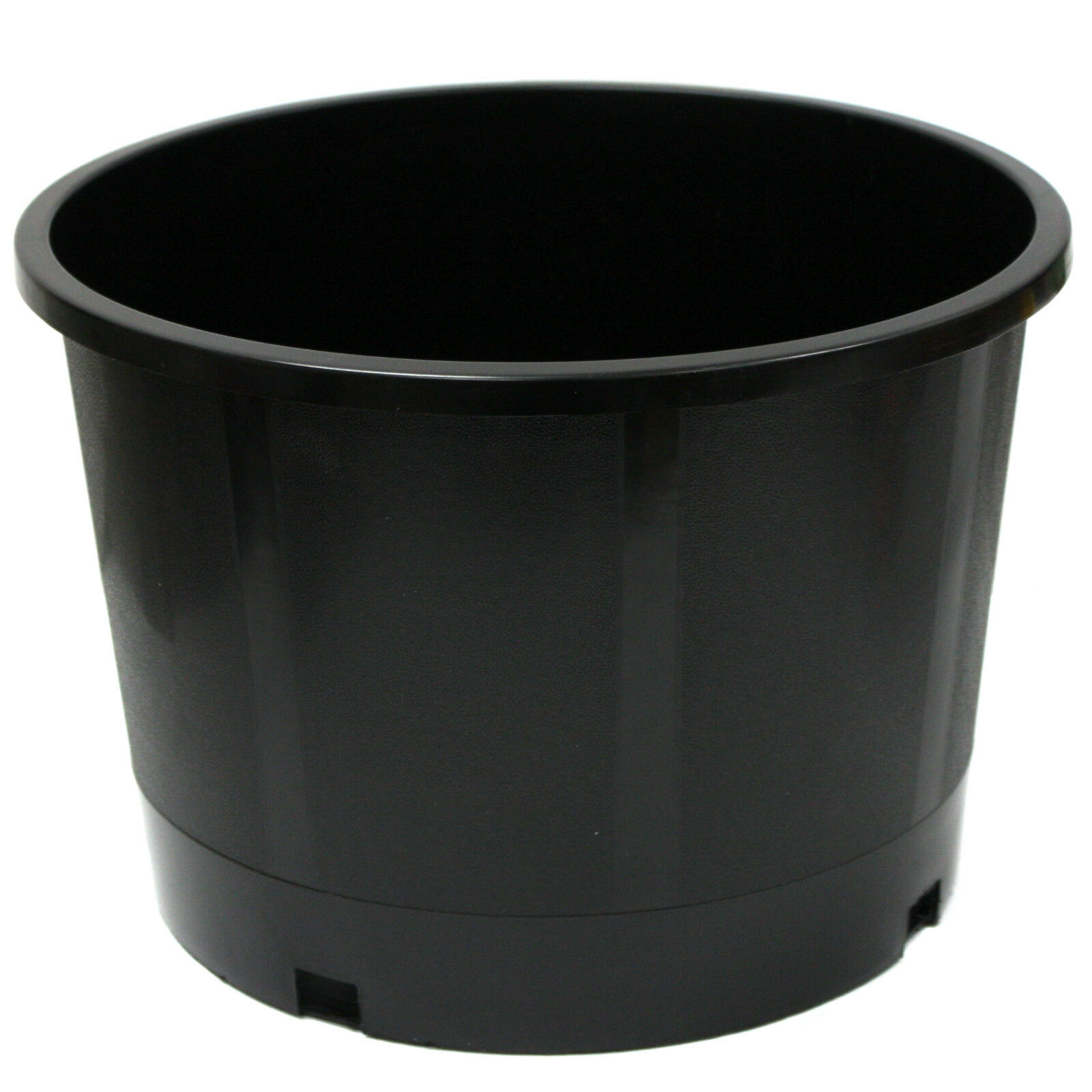
5-gallon plant pots offer ample space for root development and growth, making them suitable for a wide range of plants. The key to choosing the right plant is to consider its root system and growth habit. Plants with extensive root systems, such as trees and shrubs, require larger pots to accommodate their roots. Conversely, plants with shallow root systems, such as annuals and herbs, can thrive in smaller pots.
Factors to Consider When Choosing a Plant for a 5-Gallon Pot, 5 gallon plant pot
- Drainage: Ensure the pot has adequate drainage holes to prevent waterlogging, which can lead to root rot.
- Sunlight requirements: Consider the amount of sunlight your plant needs and choose a pot that will provide sufficient exposure.
- Watering frequency: The frequency of watering will vary depending on the plant’s water needs and the climate. Choose a pot that allows for easy watering and drainage.
Tips for Selecting the Right Plant and Pot Size
- Research the specific plant you intend to grow to understand its root system and growth habit.
- Measure the root ball of your plant before selecting a pot. The pot should be slightly larger than the root ball, allowing for some growth.
- Consider the overall size of the plant at maturity to ensure the pot provides sufficient space for its eventual size.
Gardening Techniques

Mastering the art of cultivating thriving plants in 5-gallon pots requires a meticulous approach that encompasses soil preparation, proper watering techniques, and attentive maintenance. Understanding the specific needs of your plants and addressing common challenges will ensure their optimal growth and well-being.
Preparing Your Pot
Before embarking on your gardening journey, it’s essential to prepare your 5-gallon pot to provide an optimal environment for your plant’s roots. Begin by drilling drainage holes in the bottom of the pot to prevent waterlogging, which can lead to root rot. A layer of gravel or broken pottery at the base of the pot will further enhance drainage.
Next, fill the pot with a high-quality potting mix specifically formulated for container gardening. These mixes typically contain a blend of peat moss, perlite, and vermiculite, which provides aeration, moisture retention, and nutrient availability. Amending the potting mix with organic matter, such as compost or manure, will enrich the soil and promote root growth.
Watering and Fertilizing
Watering is crucial for maintaining healthy plants, but overwatering can be detrimental. Allow the soil to dry out slightly between waterings, as this encourages root development and prevents waterlogging. The frequency of watering will vary depending on the plant species, climate, and season. As a general rule, water deeply and less frequently rather than shallowly and often.
Fertilizing is essential for providing plants with the nutrients they need to thrive. Choose a balanced fertilizer specifically designed for container gardening and follow the instructions carefully. Avoid over-fertilizing, as this can damage the roots and burn the plant.
Common Challenges
Growing plants in containers can present certain challenges, but with proper care, these can be easily overcome.
Root-bound Issues
As plants grow, their roots can become crowded in the limited space of a container, leading to root-bound issues. This can restrict nutrient and water uptake, hindering plant growth. To prevent root-bound issues, repot your plant into a larger container when the roots start to circle the bottom of the pot.
Nutrient Deficiencies
Plants grown in containers may experience nutrient deficiencies more frequently than those grown in the ground. This is because the limited soil volume in a pot can become depleted of nutrients over time. Regular fertilization and the use of a nutrient-rich potting mix will help prevent nutrient deficiencies.
