
Step into the captivating realm of the bishop’s lace plant, where scientific precision intertwines with the beauty of nature. This extraordinary plant, known for its intricate lace-like foliage and medicinal properties, invites us on a journey of discovery.
From its scientific classification to its distinctive physical characteristics, from its cultivation requirements to its diverse uses, this comprehensive guide unveils the secrets of the bishop’s lace plant, offering a profound understanding of its place in the natural world.
Taxonomy and Classification

The bishop’s lace plant, also known as Ammi majus, is a species of flowering plant belonging to the family Apiaceae. The genus name, Ammi, is derived from the Greek word “ammos,” meaning “sand,” alluding to the plant’s preference for sandy habitats. The species name, majus, is Latin for “greater,” indicating its size compared to other species within the genus.
Scientific Classification
- Kingdom: Plantae
- Division: Magnoliophyta
- Class: Magnoliopsida
- Order: Apiales
- Family: Apiaceae
- Genus: Ammi
- Species: Ammi majus
Physical Characteristics and Morphology

The bishop’s lace plant, scientifically known as Ammi majus, is a herbaceous annual plant that stands out with its delicate appearance and distinctive features. Its overall size, shape, and coloration contribute to its recognizable identity.
Typically, the bishop’s lace plant can grow to an average height of 2-3 feet (0.6-0.9 meters). It has an upright, slender stem that branches out near the top, forming a lace-like, umbrella-shaped structure. The stems are typically smooth and hollow, giving the plant a graceful, airy appearance.
Leaves
The leaves of the bishop’s lace plant are compound, composed of several leaflets arranged in a feathery, fern-like pattern. These leaflets are deeply lobed and serrated, creating a delicate, intricate texture. The leaves are arranged alternately along the stem, adding to the plant’s overall airy and lace-like appearance.
Flowers
The bishop’s lace plant is known for its clusters of small, white flowers that bloom in abundance during the summer months. These flowers are arranged in flat-topped umbels, which are characteristic of the Apiaceae family to which the plant belongs. Each umbel consists of numerous tiny flowers with five white petals and a central, dark-colored disk. The flowers are hermaphroditic, meaning they contain both male and female reproductive organs.
Seeds
After flowering, the bishop’s lace plant produces small, oval-shaped seeds. These seeds are light brown in color and have a slightly rough texture. They are dispersed by wind and can remain viable in the soil for several years, contributing to the plant’s ability to establish new populations.
Distinctive Features
The bishop’s lace plant has several distinctive features that differentiate it from similar plants. Its delicate, lace-like appearance, with its feathery leaves and clusters of white flowers, is a prominent characteristic. Additionally, the plant’s hollow stems and the arrangement of its leaflets and flowers in umbels are unique identifiers.
Cultivation and Uses: Bishop’s Lace Plant
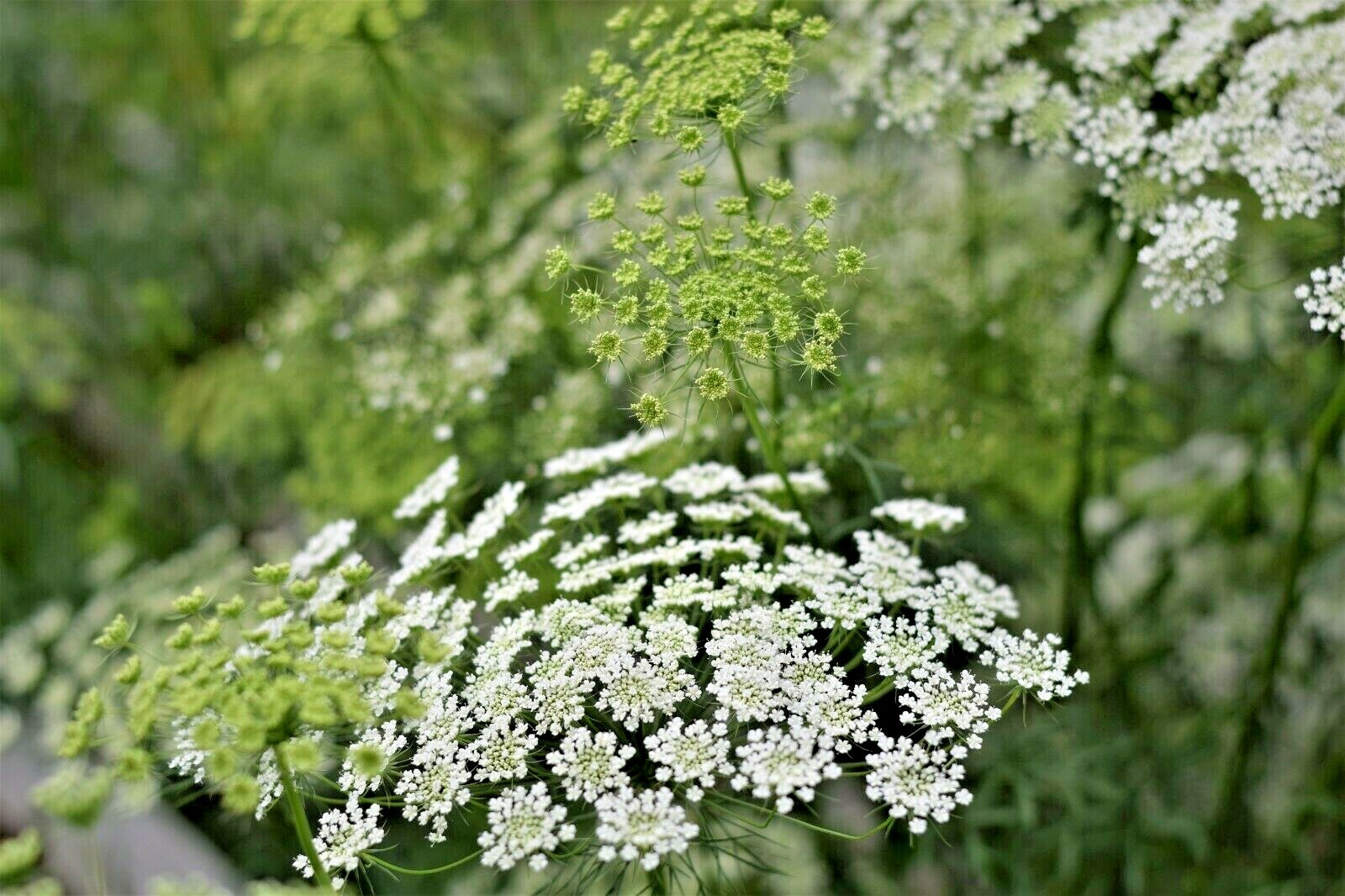
Bishop’s lace, a member of the carrot family, thrives in moist, well-drained soil with ample sunlight. It prefers a pH range of 6.0 to 7.0.
For optimal growth, plant bishop’s lace in the spring or fall. Water the plant regularly, especially during dry spells, and fertilize it monthly with a balanced fertilizer.
Medicinal Uses
Bishop’s lace has been traditionally used in herbal medicine for various ailments, including respiratory issues, digestive problems, and skin conditions. Its expectorant and antispasmodic properties help relieve coughs and congestion.
The plant’s diuretic properties promote urination, which can help reduce water retention and urinary tract infections.
Ornamental Uses, Bishop’s lace plant
Bishop’s lace is a popular ornamental plant due to its delicate white flowers and fern-like foliage. It is often used in cottage gardens, meadows, and along borders.
The plant’s attractive appearance makes it a suitable choice for cut flower arrangements, adding a touch of elegance and charm.
